
The Persistence of Memory
The Life and Opinions of Tristram Shandy, GentlemanThis thread traces how memories and remembered objects carry emotional meaning across the novel.
increasing Bearing strength in each event
 decreasing
Bearing strength in each eventdecreasingThe Family Clock
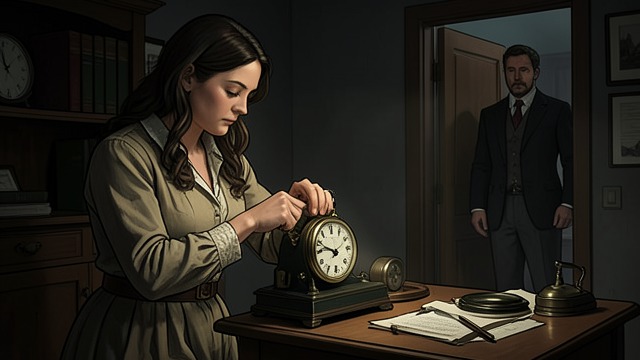
A Repeated Household Ritual
Walter’s routine
Walter winds the house-clock on a set night each month. The routine becomes linked in Elizabeth’s mind with marital intimacy.
Memory shapes action
An association of ideas influences the couple beyond the original event. The clock becomes a comic symbol of how memory links unrelated things.
Toby’s Map
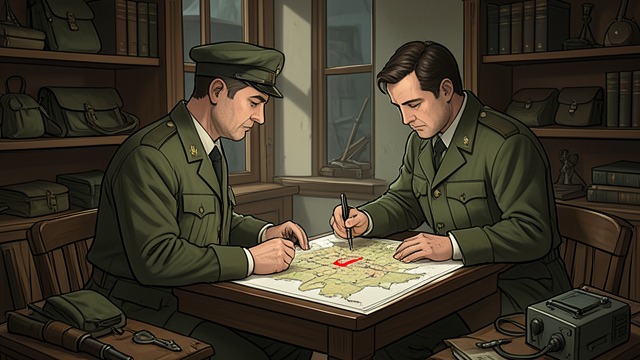
A Map Preserves Place
A remembered battlefield
Toby uses a map to locate the point where he was wounded. The diagram gives order to a painful memory.
Memory becomes practice
The map leads to years of model campaigns. An object of recollection becomes the foundation of a new hobby.
The Stolen Sermon
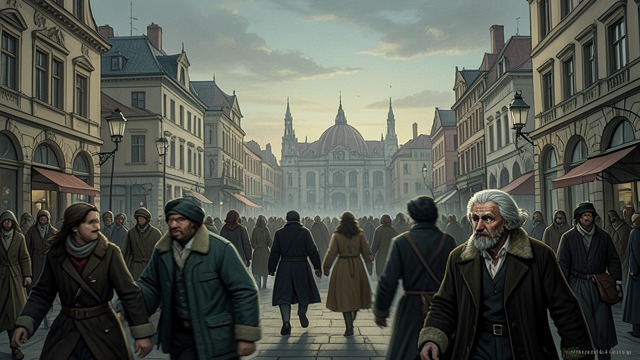
A Text Travels
Loss and recovery
Yorick’s sermon is misplaced, found, and eventually removed from its original owner. It circulates through different hands and purposes.
Memory as justice
Tristram’s account restores the history of the sermon. The printed record challenges forgetfulness and appropriation.
The Cap and Its Gift

Trim’s Montero-Cap
An object of affection
Tom sends Trim a cap that becomes a wager, a gift, and a sign of his brother’s care. Trim values it beyond its material worth.
Memory made visible
The worn cap holds affection and loss in its fabric. Its damage invites Toby and Trim to reflect on impermanence.
The Absent Tomb

A Memory’s Destination
The imagined tomb
Tristram has long cherished the story of Amandus and Amanda and expects their tomb to exist near Lyons.
The absence matters
He finds no tomb, only the memory that led him there. The missing monument shows how stories can govern a journey even when their objects vanish.
On the night of Tristram’s conception
During his convalescence after Namur
After Yorick’s death
During the later siege episodes
During Tristram’s stay in Lyons
