
Digression as a Theory of Life
The Life and Opinions of Tristram Shandy, GentlemanThis thread traces digression from a comic technique into a model for the disorderly movement of experience and thought.
increasing Bearing strength in each event
 decreasing
Bearing strength in each eventdecreasingThe Detour Begins
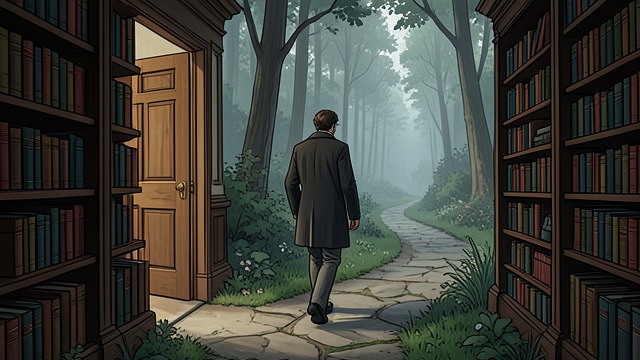
The Narrator Wanders
A deliberate departure
Tristram leaves his own birth to discuss family, philosophy, and reading. He treats detours as necessary parts of a life.
The reader’s role
The narrative asks for patience and active attention. Meaning comes from connections as much as sequence.
Digressions Keep Moving
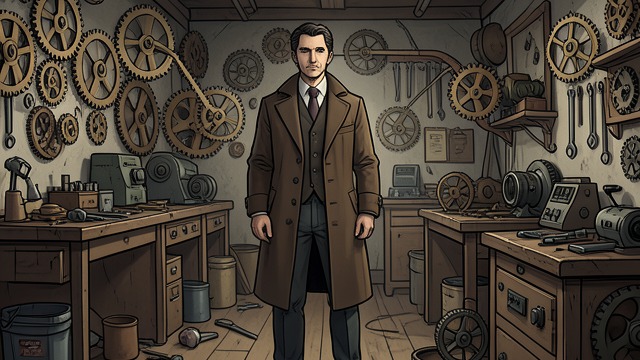
Progress Within Absence
A formal claim
Tristram says his book is digressive and progressive at once. The main business continues even when the narrator turns away from it.
A working metaphor
He imagines the novel as a machine with intersecting motions. Narrative delay is presented as craft rather than failure.
The Story’s Lines
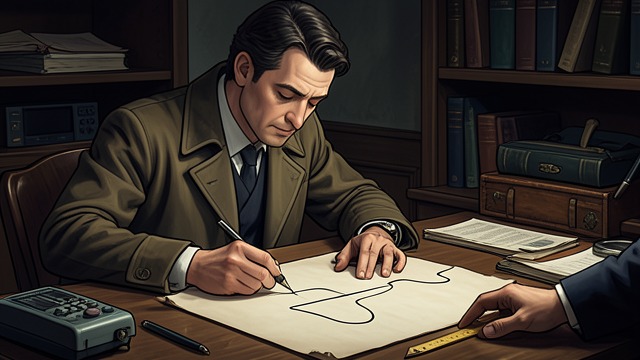
Measuring a Narrative
Drawn paths
Tristram sketches winding lines and contrasts them with a ruler-straight course. His diagram turns literary form into visible movement.
Straightness questioned
The straight line may signal discipline, but it cannot capture ordinary experience. The narrative’s detours challenge readers’ assumptions about progress.
The Journey’s Composition
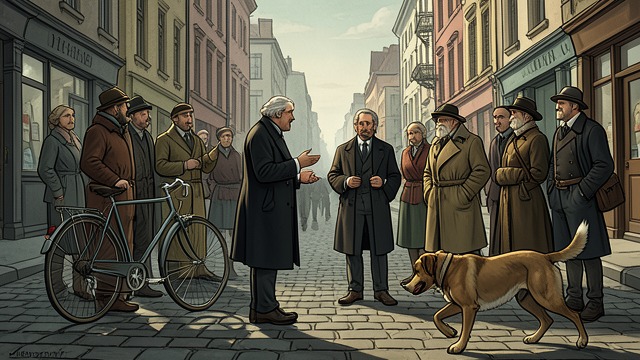
Life Enters the Travelogue
Interruptions accumulate
Tristram stops for people, animals, towns, and accidents. Encounters create stories where a guidebook would offer a summary.
A chosen method
He turns the plain into a city through attention and conversation. The journey makes digression an ethical openness to others.
The Work Remains Open

No Final Arrival
A future promised
Tristram repeatedly announces chapters still to come. The reader receives a pause rather than a definitive conclusion.
Form mirrors life
The unfinished book echoes a life that cannot be fully contained by a plan. Its openness is both a comic device and a philosophical claim.
At the start of Tristram’s life story
During the first volume
During the third-volume reflections on form
During the journey through France
At the end of the fourth volume
