Uncle Toby’s wound
The Life and Opinions of Tristram Shandy, GentlemanUncle Toby’s wound is a persistent groin injury that turns a remembered military experience into a continuing limit on his body and choices. Its effects are made concrete in his fear that a cold, rainy night and a return to the trenches might bring on severe pain; yet it never wholly displaces his impulse to help others, and it becomes especially visible when he cannot follow young Le Fever into military service.
The Injury as a Lasting Constraint
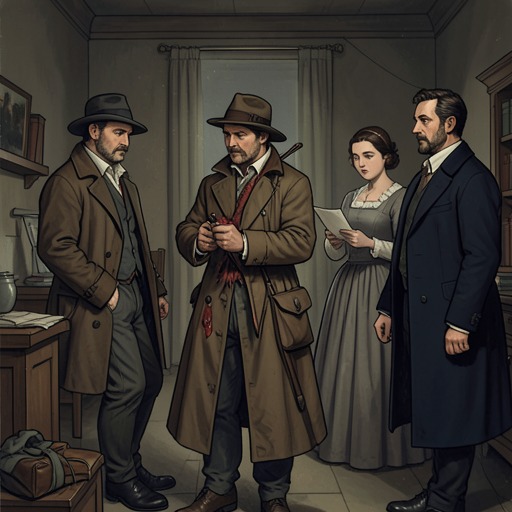
The wound is associated with the night Uncle Toby served in the trenches before the Gate of St. Nicolas. When he considers visiting the impoverished Le Fever, Corporal Trim reminds him that he has not worn his roquelaure since the night before he was wounded. Trim warns that going out in the cold rain, even wrapped warmly, could bring on torment in the groin. The old injury is not merely recalled: it governs what Uncle Toby believes his body can safely endure.
Uncle Toby accepts the danger rather than dismissing it. He admits that he fears the consequences, but says that hearing the landlord’s account of Le Fever has left his mind unsettled. Concern for the sick and impoverished man competes with the need to protect his injured body. Instead of abandoning the visit, he sends Trim to reconnoitre the house and report back, giving him a shilling for the servant. His wound alters the means by which he acts, but does not extinguish his responsibility.
A Limit on Military Companionship
The injury’s consequences recur years later, when young Le Fever asks to leave school and serve under Eugene after hearing that the emperor is sending an army into Hungary against the Turks. He kneels before Uncle Toby and asks for his father’s sword and permission to try his fortune as a soldier. Uncle Toby twice forgets his wound in the first rush of feeling and cries that he will go with Le Fever, who can fight beside him. Twice he then puts his hand to his groin and bows his head in sorrow.
The gesture makes the injury a boundary between affection and action. Uncle Toby wants to accompany the young man, but his damaged body prevents him from turning that promise into reality. He instead prepares Le Fever for departure: he has the old sword brightened, keeps him for a fortnight to equip him, and arranges his passage to Leghorn. He gives the young man the sword and tells him to return if Fortune fails him, offering a future refuge in place of the military companionship he cannot provide.
Meaning in Uncle Toby’s Conduct
The wound is presented through practical particulars—the roquelaure left unworn, the cold rain, the threatened groin pain, and the hand placed over the injury—rather than through an account of combat itself. Those details show how an old wound continues to shape ordinary decisions and later hopes. Its recurrence also sharpens the contrast between Uncle Toby’s desire to act as a soldier and his physical inability to accompany Le Fever.
That limitation does not reduce Uncle Toby to his injury. When Le Fever’s affairs are settled, Uncle Toby gives the corporal the dead lieutenant’s regimental coat and preserves the father’s sword for the son. At their parting, he places sixty guineas in Le Fever’s hand, tied in an old purse that also contains his mother’s ring. The injury keeps Uncle Toby from joining the young man in the field; his care instead takes the form of equipment, money, protection, and a promise of welcome. The wound thus marks the limit of his mobility while throwing his compassionate action into relief.