Uncle Toby’s courtship of Widow Wadman
The Life and Opinions of Tristram Shandy, GentlemanUncle Toby’s courtship of Widow Wadman is a romance of unequal timing: Widow Wadman falls in love while Uncle Toby is occupied elsewhere, and he does not return her advances until nearly eleven years later. When he finally declares his love and offers marriage, the scene turns on his old wound at Namur, which she hopes will answer a question he does not understand in the way she intends. The courtship’s military language makes the mismatch vivid, but the narrative does not resolve the proposal into a marriage.
Unequal Beginnings
Widow Wadman’s love is established before Uncle Toby’s. During his stay, she reads her marriage settlement and, on the final night, her movement dislodges the pin holding her night-shift in place. The narrator treats this small, disrupted gesture as evidence that she is in love with him. Uncle Toby, however, is thinking about other matters and does not respond to her attentions at the time.
The difference in timing shapes the story’s account of the courtship. The narrator says that Widow Wadman loves Uncle Toby, while Uncle Toby does not yet love her; her choice is therefore to continue loving him or to stop. She does neither. Her attachment persists through his inattention, while his eventual reciprocation comes much later.
The Long Interval
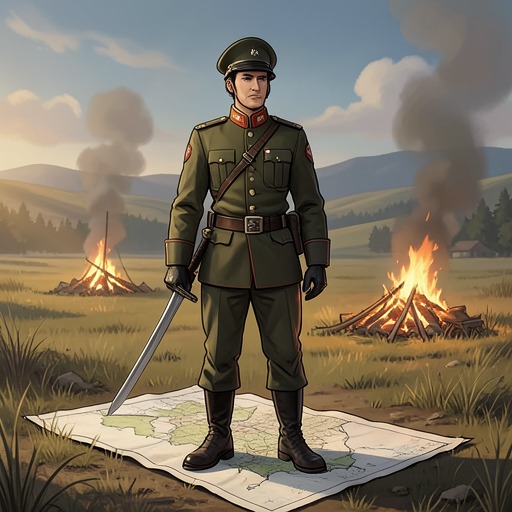
Uncle Toby’s attention is occupied by other matters, and he does not return Widow Wadman’s civilities until the demolition of Dunkirk, when, as the narrator puts it, Europe’s other arrangements have been settled. The interval between her advances and his response is described as almost eleven years. For him, it is an armistice; for her, the same stretch is a vacancy.
The narrator consequently names the episode Uncle Toby’s amours with Widow Wadman rather than Widow Wadman’s amours with Uncle Toby. The distinction is not merely a change of emphasis: it marks the moment when his response turns her earlier, one-sided love into a courtship involving both of them. The narrative’s metaphor of a second blow making a fight casts the delayed reply as the event that changes the relationship’s status.
Declaration and Proposal
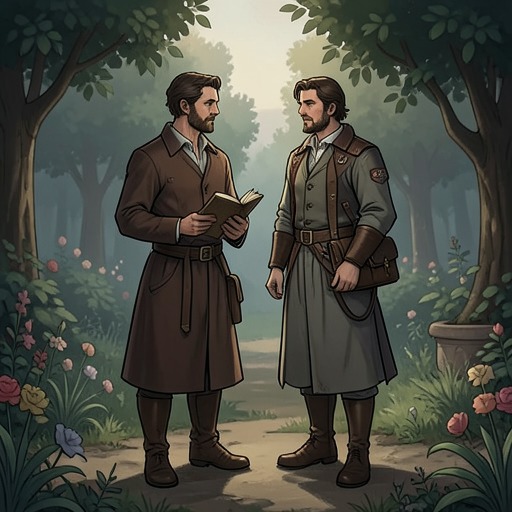
When Uncle Toby recognizes that he loves Widow Wadman, he tells Corporal Trim directly. He does not treat the feeling as a secret or as a matter requiring elaborate concealment. He regards Trim as a humble friend and speaks to him with the openness that characterizes their companionship.
Later, Uncle Toby visits Widow Wadman. Bridget opens the door just before his introduction into the parlour, leaving Widow Wadman only enough time to move from behind a curtain, place a Bible on the table, and step forward to receive him. After greeting her, he walks with her to the sofa and declares his love as he sits down. The timing and plainness of his declaration matter: he makes the offer without disguising what he has come to say.
When the conversation approaches marriage, Uncle Toby becomes embarrassed by the word Widow Wadman has introduced. He stops short of discussing its further implications, puts his hand to his heart, and offers to take the couple as they are and share their circumstances with her. Having made the offer, he does not repeat it. Instead, he turns to the Bible on the table and begins reading the account of the siege of Jericho, leaving the proposal hanging between them.
The Wound and the Unresolved Ending
Widow Wadman’s questions are directed toward Uncle Toby’s old wound, not simply toward the language of his declaration. The narrator describes her leading him through an imagined military recollection of Namur: the approach to the advanced counterscarp, the fighting around the counterguard of St. Roch, and his being led from the trench to his tent. In this retelling, tenderness and military memory combine, making the old injury central to her response to him.
She then asks where he received the blow and glances toward the waistband of his red plush breeches, expecting him to indicate the place as the shortest answer. The narrative breaks off before showing his response. Thus the courtship reaches a marriage proposal but not a settled understanding: Widow Wadman’s inquiry and Uncle Toby’s interpretation of his injury do not meet clearly in the scene, and the outcome remains unresolved in the supplied account.
Narrative Significance
The episode makes military experience the language through which these two characters approach intimacy. Uncle Toby’s wound is part of his history of service, but in Widow Wadman’s questions it becomes a point of personal inquiry; her route through the remembered siege turns courtship into a figurative military approach. The same metaphor also reveals the limits of their communication: a scene that sounds like an advance toward agreement ends with an unanswered question.
The structure gives the romance its distinctive shape. Widow Wadman’s love comes first, Uncle Toby’s declaration arrives after a long pause, and the proposal is followed not by a clear acceptance or refusal but by a question aimed at the wound. The narrative records the shift from one-sided affection to an explicit offer while withholding the resolution that a conventional courtship might promise.