Mr. White–Herbert White father-son relationship
The Monkey's PawThe father-son relationship between Mr. White and Herbert White begins in domestic intimacy, expressed through chess, teasing, and a shared life in which Herbert can turn his father’s financial worries into a joke. Herbert’s death at work breaks that ordinary bond; the two hundred pounds later paid as compensation is also the sum Mr. White had wished for, making the family’s loss inseparable from the wish’s grim fulfillment. When Mrs. White urges her husband to wish their son alive again, their attachment becomes a desperate attempt to reverse the irrevocable.
Identity and Domestic Life
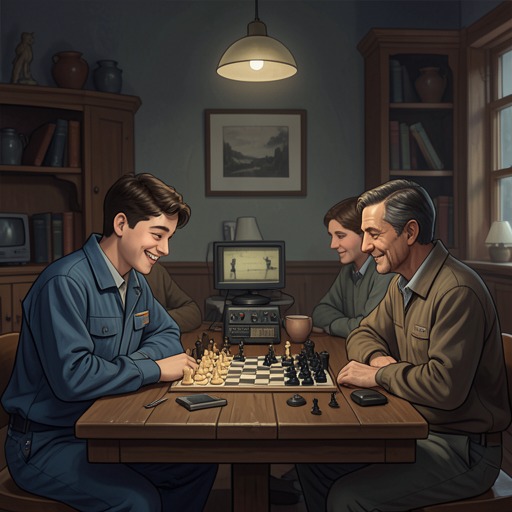
At Laburnam Villa, Mr. White and Herbert sit opposite one another over a chessboard while Mrs. White knits beside the fire. Mr. White’s risky play gives their game a familiar, gently comic texture: he notices a fatal mistake too late and draws attention to the wind in hopes of distracting Herbert. Herbert sees through the maneuver, surveys the board, and answers with a check. Their exchange presents a father and son at ease with one another, able to combine competition and affection without ceremony.
Herbert’s place in the family also emerges through their account of the past. Mr. White recalls that, when his friend left twenty-one years earlier, Herbert was still a young figure in the warehouse; the son’s growing up is part of the household’s shared history. During the evening, Herbert joins his parents in listening to the visitor’s stories and responds with quick wit. The family relationship is not defined only by the formal roles of parent and child: Herbert participates in the same conversation and play that make the home feel close-knit.
Affection, Humor, and the First Wish
When Mr. White admits that he cannot think what to wish for because he already has what he wants, Herbert offers a practical, teasing solution. If clearing the house would make his father happy, Herbert suggests wishing for two hundred pounds. The advice turns a household concern into a joke, and Herbert follows it with a wink at his mother while sitting down at the piano. Mr. White nevertheless takes the suggestion seriously enough to make the wish aloud.
The moment reveals a relationship in which Herbert can tease his father while also prompting him to act. The exact sum initially belongs to the light domestic exchange: it is presented as an amount that might ease the family’s circumstances. When the paw moves and Mr. White cries out, the joking atmosphere gives way to alarm. The wish does not remain a harmless family game; its consequences soon reach the bond that had made the scene feel secure.
Loss and the Meaning of Compensation
After Herbert is caught in machinery, Mr. White repeats the account in a daze and takes his wife’s hand, pressing it as he had in their courtship nearly forty years before. He tells the visitor that Herbert was the only one left to them and that the loss is hard. This is the clearest statement of the son’s central place in his parents’ lives: grief is expressed not as an abstract misfortune but as the destruction of the family’s remaining bond to its child.
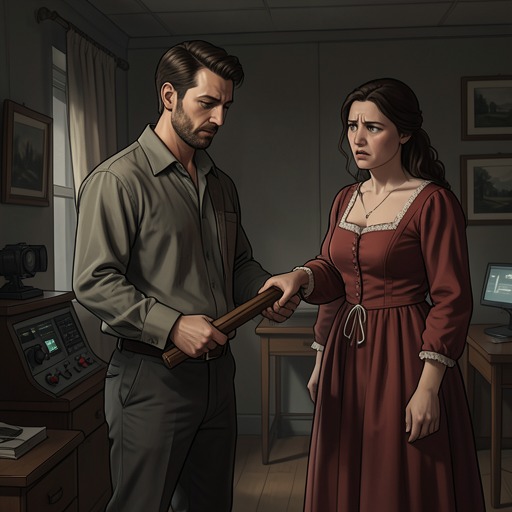
The company disclaims responsibility for the accident while offering compensation in recognition of Herbert’s service. The visitor names the amount: two hundred pounds. That sum is precisely what Mr. White had wished for at Herbert’s suggestion. On hearing it, Mr. White drops his wife’s hand, rises, reaches out as if blind, and collapses unconscious; Mrs. White shrieks. The compensation is both a payment connected to Herbert’s death and the fulfillment of the wish that had seemed to promise relief. Its numerical exactness cannot make good the life lost, and it converts the son’s playful suggestion into a source of horror.
Grief and the Attempt to Restore the Bond
After Herbert is buried, his parents return to a house steeped in shadow and silence. The speed of the burial and their continued expectation that something else might happen show grief suspended between the fact of death and a longing for relief. In that state, the separation does not feel emotionally complete: the family’s hope for another change leaves room for the dangerous thought that the loss can be undone.
Mrs. White insists that the family has used only one of the three wishes and demands that Mr. White retrieve the paw and wish their son alive again. Her appeal makes the relationship’s continuing force visible, but it also places Mr. White in a conflict between his wife’s hope and the apparent finality of Herbert’s death. The story thus carries the father-son bond beyond Herbert’s life: first through Mr. White’s grief, then through the parents’ attempt to call their son back. The wish that once arose from a joke about money has become an anguished effort to restore the person no payment can replace.