Mr. White–Mrs. White marriage
The Monkey's PawMr. White–Mrs. White marriage is a nearly forty-year partnership whose familiar gestures of care become the emotional center of the Whites’ tragedy. The couple move from domestic teasing and shared hope to bereavement, then to a joint attempt to restore their son—a desperate action that exposes both their enduring attachment and the terrible cost of trying to reverse loss.
Identity and Domestic Life
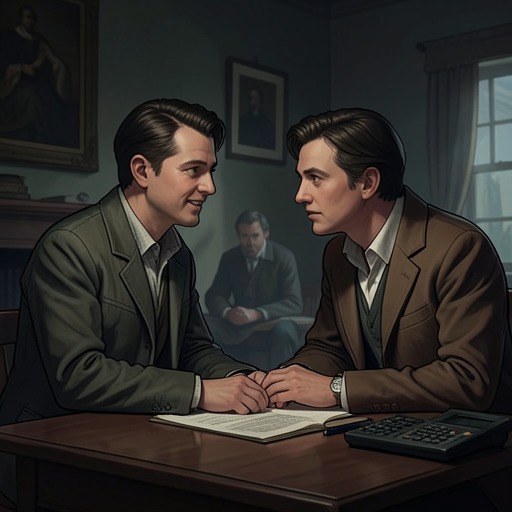
At the opening, the marriage belongs to an ordinary household rhythm. Mr. White plays chess with their son while Mrs. White knits placidly by the fire; when her husband complains about the muddy, remote road, she soothes him by suggesting he may win the next game. Her gentle intervention draws out his awareness that mother and son have exchanged a knowing glance, and he hides a guilty grin. Their domestic intimacy includes humor and a shared understanding of his moods, rather than solemn declarations of affection.
That ease persists when the family considers what to wish for. Mr. White says he does not know what he wants and seems to have all he needs. Their son proposes two hundred pounds as a way to clear the house, and Mr. White makes the wish. The marriage is situated within that modest domestic concern: the sum is first imagined as relief from a household burden, not as a grand ambition. When the paw moves and Mr. White cries out, his wife and son run toward him together.
Shared Grief and the Meaning of the Compensation
After the company’s visitor reports that their son was caught in machinery, Mr. White takes his wife’s hand and presses it as he had during their courtship nearly forty years earlier. The gesture makes their long marriage palpable at the moment when their shared future has been broken. He tells the visitor that their son was the only one left to them and that the loss is hard; the words place their grief within the bond they have built together.
The visitor explains that the company disclaims responsibility but offers compensation for their son’s services. When Mr. White learns that the amount is two hundred pounds—the exact sum he had wished for—he drops his wife’s hand, rises, and collapses unconscious. The money has changed meaning: first a hoped-for means of easing the household’s financial difficulty, it now arrives as payment after their son’s fatal accident. Its exact coincidence with the wish makes the couple’s loss inseparable from the wish’s apparent fulfillment, while offering no comfort that could replace the person they have lost.
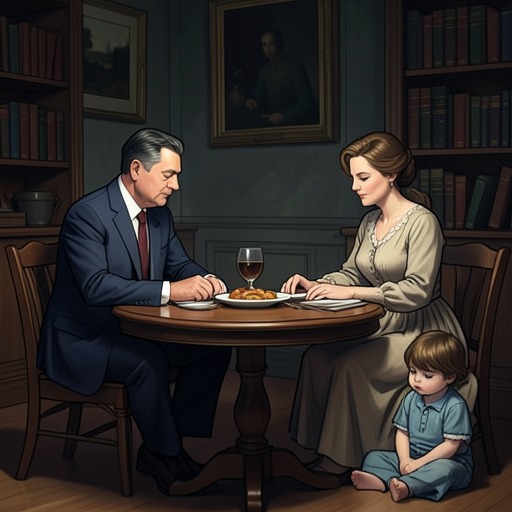
Their response to bereavement is initially one of stunned expectation. They bury their son in a cemetery two miles away and return to a house steeped in shadow and silence. Unable at first to realize that everything is over, they remain as though another event might lighten the burden. The marriage is now bound by grief, but that shared waiting also leaves room for Mrs. White to turn toward the possibility of another wish.
The Attempt to Reverse the Loss
When Mrs. White remembers that they have two wishes left, she insists that her husband go down and use one to bring their son back alive. Mr. White asks whether the first wish was not enough, but she refuses to accept that their remaining wishes should go unused. Her resolve directs the couple’s grief into action; his fear arises from the knowledge that their son has been dead for ten days and that he could recognize him only by his clothing.
Mrs. White answers that she is not afraid of the child she nursed and drags her husband toward the door. The exchange sets her maternal certainty against his knowledge of the body’s condition, but neither is detached from the other: each is responding to the same loss from a different position. Mr. White goes down into the darkness, finds the paw by the mantelpiece, and fears that an unspoken wish might bring his mutilated son before he can escape the room. When he returns, even his wife’s expectant face seems unnatural to him. Her demand that he wish presses their marriage into a frightening conflict between her hope and his dread.
The Door and the Final Separation
Later, the couple lie awake listening to the clock and the sounds of the house. A match goes out at the foot of the stairs just as a quiet knock sounds at the front door. Mr. White freezes, then runs back upstairs as the knock is repeated; Mrs. White starts awake and asks what happened. The ordinary home has become a place where the sound at the door carries the possibility she has been waiting for and the horror he fears.
As the knocking grows into a fusillade, Mrs. White breaks free and hurries downstairs to unfasten the door. Mr. White follows only as far as the landing, calling after her, then searches frantically on his hands and knees for the paw. He finds it as she struggles with the bolt and breathes his third and last wish. The knocking stops. When she opens the door, the street beyond is quiet and deserted; her loud wail of disappointment is the immediate consequence of the interruption. Mr. White runs down to her side and then out to the gate. Their shared attempt has ended not in reunion but in an empty road, leaving their enduring closeness joined to a loss neither can undo.
Narrative Significance
The marriage gives the story’s supernatural premise its intimate stakes. Its long duration is marked not by exposition about the couple’s past but by acts of care: a calming reassurance, a hand pressed as in courtship, and their coordinated response to the paw’s movement. In the crisis, those same bonds do not produce agreement. Mrs. White acts from an insistence that the son she nursed can return; Mr. White fears what the return might mean and finally uses the last wish to end the knocking.
The two hundred pounds traces the gap between what can be counted and what their marriage has lost. It first seems capable of easing the household’s burden, then arrives as compensation after their son’s death, and finally stands as the uncanny fulfillment of the wish that cannot restore him. The couple’s story turns on that mismatch: their love remains present in gesture and action, but neither money nor the paw can make their former family life whole again.