India
The Monkey's PawIndia enters the story as a place Mr. White longs to visit and as the far-off setting associated with Sergeant-Major Morris’s travels. Its temples, fakirs, and stories of magic lend the monkey’s paw an aura of distance and mystery; the narrative presents these through a British family’s conversation and a returned soldier’s account, not as a factual description of Indian religious life.
A Distant Place in the Parlour
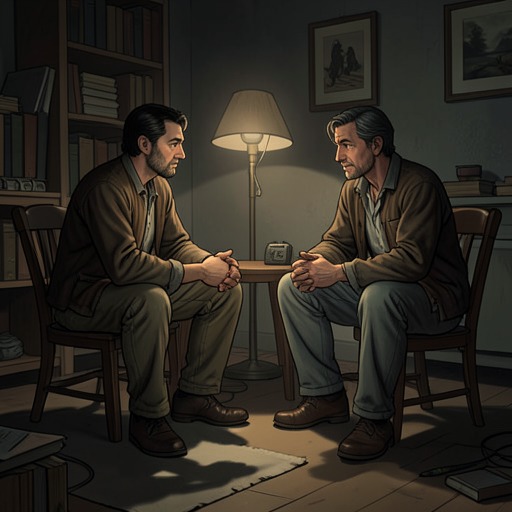
After Morris has spent twenty-one years away, Mr. White remarks on the change wrought by his travels and says he would like to go to India himself, merely to look around. Morris answers that White is better where he is. The exchange establishes India as both a destination imagined from home and a place from which Morris has brought back experiences the family finds compelling. Mr. White specifies what attracts him: the old temples, fakirs, and jugglers. His curiosity turns India into a collection of faraway sights and wonders, and he recalls Morris having mentioned a monkey’s paw. Mrs. White asks about it too, while the family leans forward to hear more. The scene’s focus is not a journey to India but the way talk of the place gathers attention around an object carried into the parlour.
The Paw and Its Story
Morris describes the paw as an ordinary-looking, dried object, then attributes its power to a spell cast by an old fakir. In his account, the fakir intended to demonstrate that fate rules people’s lives and that those who interfere with it do so to their sorrow. The spell allows three separate men three wishes apiece. India is thus linked to the tale’s supernatural premise through Morris’s report, which gives the object both an origin story and a moral warning. The story of the first owner sharpens that warning: he used all three wishes, and his third was for death. Morris says that this is how he acquired the paw. His grave manner brings a hush to the family after their earlier light laughter, shifting the conversation from entertaining tales of distant places toward the consequences attached to the talisman. The narrative leaves the account within Morris’s testimony rather than independently establishing the fakir’s identity or the history of the spell.
Narrative Function and Limits
India remains offstage, but its imagined distance helps bring the uncanny into an ordinary household. Morris’s travels connect the family’s curiosity about temples and jugglers to the paw he produces by the fire; the object then carries a warning about fate into their home. This contrast between a familiar parlour and a marvel said to come from far away makes India a narrative point of entry for the supernatural threat. That function depends on a narrow, mediated representation. The Indian setting is evoked through a British character’s recollections and the family’s expectations of exotic sights, while the story supplies no scenes of India or independent account of its religious traditions. Its role in the narrative is therefore principally atmospheric and causal: it furnishes the reported origin of the paw and frames the temptation to treat fate as something that can be changed.