
The Police Case Against Ralph
The Murder of Roger AckroydThis flow tracks the official investigation’s confident but unstable case against Ralph, from physical evidence to its eventual collapse.
increasing Bearing strength in each event
 decreasing
Bearing strength in each eventdecreasingA Locked-Room Discovery
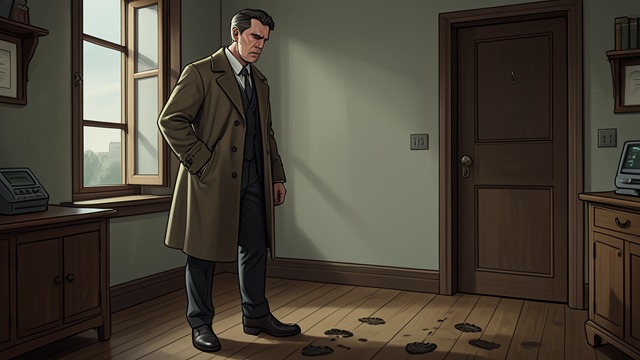
A Locked-Room Discovery
First response
Inspector Davis arrives after Dr. James Sheppard and Parker break into the study. The open window and apparent shoe marks suggest an intruder.
A misleading scene
The locked door and missing letter leave several possibilities open. Davis initially suspects Parker, whose unease seems to support a theory that later proves wrong.
Raglan’s Footprint Theory
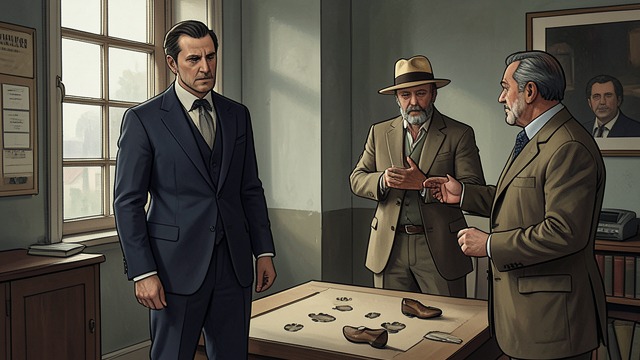
Raglan’s Footprint Theory
A suspect assembled
Inspector Raglan connects Ralph’s financial difficulties, disappearance, and rubber-studded shoes to prints on the study window.
A coherent narrative
He imagines Ralph arguing with Ackroyd, returning through the drawing room, and taking the dagger. The theory’s confidence exceeds what its clues can securely prove.
The Dagger Prints Reconsidered
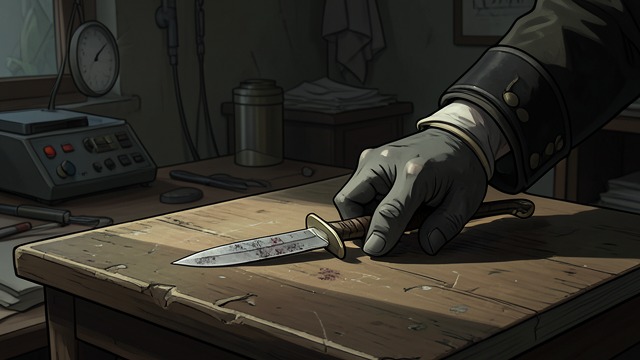
The Dagger Prints Reconsidered
A forensic assumption challenged
Poirot argues that the fingerprints on the dagger may belong to Ackroyd, placed there after the blow. Raglan verifies the possibility and abandons an apparently decisive clue.
Confidence weakened
The police must reconsider the meaning of physical evidence. What looked like a direct connection to Ralph may have been deliberately planted.
The False Witness Falls
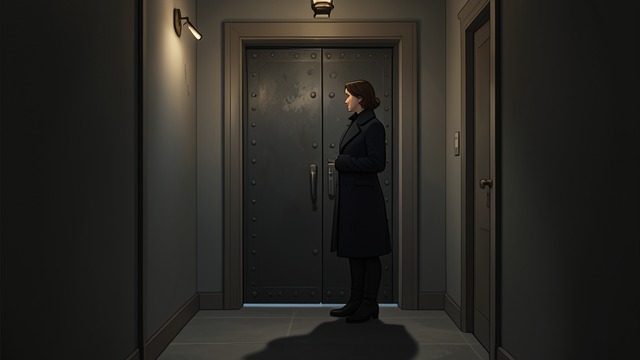
The False Witness Falls
The timeline changes
Poirot demonstrates that Parker saw Flora at the study door, not necessarily leaving the room. Flora admits she stole money and never saw Ackroyd that night.
The case reopens
Raglan recognizes that the supposed last sighting was false. His narrow murder window and alibis no longer hold, forcing him to rebuild the investigation.
The Official Theory Collapses
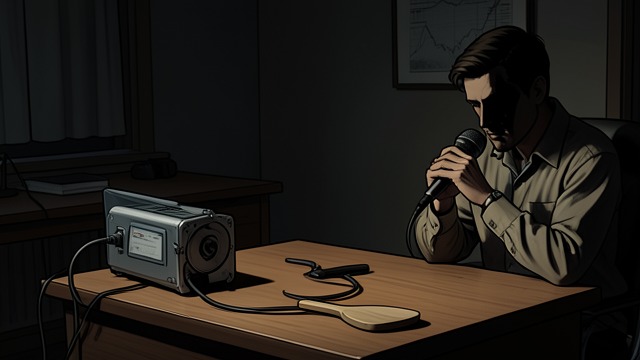
The Official Theory Collapses
The crucial correction
The Dictaphone explains the voice heard at half-past nine, while Ralph’s meeting with Ursula accounts for his movements. Neither fact proves he entered the study.
A different suspect
Poirot’s final reconstruction identifies the doctor as the person who controlled the timing, planted the prints, and removed the machine. Raglan’s case against Ralph dissolves.
Friday night, after ten o’clock
Saturday morning after the murder
At the joint inquest and its aftermath
After Flora’s story is challenged
During Poirot’s final gathering
