
Weakness, Choice, and Responsibility
The Murder of Roger AckroydThis flow examines how weakness appears in Ralph, Flora, and Sheppard, while distinguishing vulnerability from criminal responsibility.
increasing Bearing strength in each event
 decreasing
Bearing strength in each eventdecreasingRalph’s Repeated Escape
Ralph’s Repeated Escape
An easy solution sought
Ralph accepts financial help and later a practical engagement rather than confronting his debts directly. His charm softens the judgment of those around him.
Weakness creates danger
His evasions make him suspicious after Ackroyd dies. They also leave his wife exposed to the consequences of choices he has made.
Flora’s Compromise
Flora’s Compromise
Dependence and deception
Flora accepts an engagement that offers escape and steals money when she feels cornered. She lies to preserve her standing and protect Ralph.
Admission becomes agency
Her eventual confession is painful, but it ends the false account. The narrative distinguishes a shameful act from the far greater crime of murder.
The Blackmailer’s Escalation
The Blackmailer’s Escalation
A profitable silence
Sheppard initially treats Mrs. Ferrars’s secret as an opportunity for money. Each payment encourages him to continue rather than reveal the crime.
A boundary crossed
When disclosure threatens him, he murders Ackroyd to prevent exposure. The novel presents weakness not as an excuse, but as a series of choices that harden into violence.
Poirot’s Moral Portrait
Poirot’s Moral Portrait
The ordinary man imagined
Poirot describes a person who begins with no appetite for murder but discovers an easy path to money through silence. Repeated gain weakens the restraints that once seemed secure.
Circumstances do not absolve
The account makes room for gradual moral decline without excusing the final act. The murderer remains responsible because each opportunity to stop is also a choice.
A Final Escape Chosen
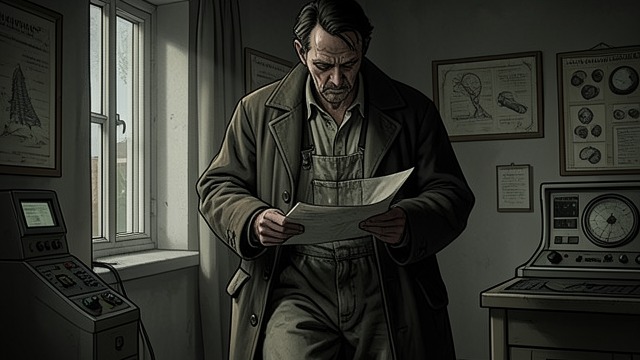
A Final Escape Chosen
The burden of exposure
Sheppard realizes that the truth will reach Inspector Raglan and that his narrative cannot protect him. He considers death a way to avoid public disgrace.
No moral restoration
His planned suicide may shield Caroline from the facts, but it does not undo the harm or transform his confession into redemption. The final escape remains another attempt to control consequences.
Before the murder, through his financial troubles
Before and during the murder night
From the year before the murder to Thursday night
During Poirot’s conversation with Caroline
After Poirot identifies the murderer
