
The Costs of Concealment
The Murder of Roger AckroydThis flow traces the accumulating harm caused by secrecy, from private bargains to false accusations and the narrator’s final isolation.
increasing Bearing strength in each event
 decreasing
Bearing strength in each eventdecreasingA Village Built on Inference

A Village Built on Inference
Reputation as evidence
King’s Abbot residents infer motives from clothing, marriages, and household behavior. Caroline’s observations often begin with genuine details but grow into confident stories.
Privacy becomes difficult
The village’s social closeness makes concealment both necessary and unstable. What remains private is soon transformed into rumor, even when the rumor is wrong.
Marriage Hidden from Family
Marriage Hidden from Family
A private solution
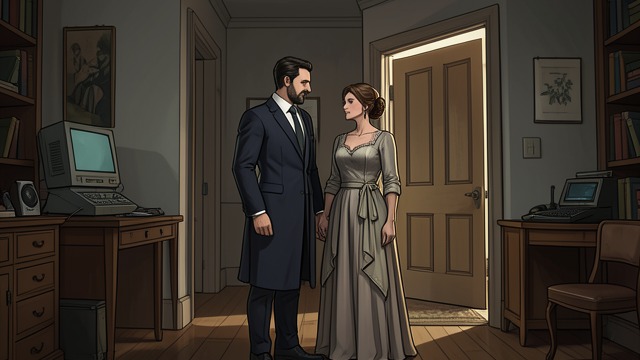
Ralph and Ursula conceal their marriage to avoid Ackroyd’s disapproval. The secrecy seems temporary but enables Ralph to accept a second engagement.
Trust erodes
What began as a protective arrangement becomes a source of betrayal. Ursula’s demand for truth arrives only after the concealed choices have multiplied.
A Household’s Small Lies
A Household’s Small Lies
Shame produces false accounts
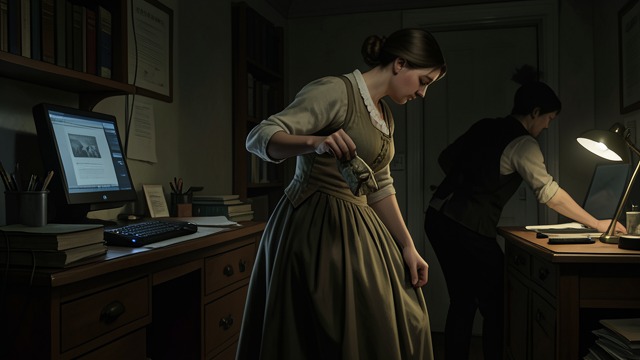
Flora hides theft, Mrs. Ackroyd hides her search of the desk, and Miss Russell hides Kent’s identity. Each hopes to avoid a different social or personal consequence.
The investigation becomes tangled
These lies obscure the timeline and direct suspicion toward innocent people. Poirot’s task is to understand what each person is protecting, not merely catch a contradiction.
A Murder Built from Secrecy

A Murder Built from Secrecy
Silence turned into profit
Sheppard converts Mrs. Ferrars’s secret into blackmail and depends on her continued silence. Her confession to Ackroyd threatens the private arrangement on which his money rests.
Concealment turns violent
He kills to prevent exposure and creates further lies to protect himself. The secret does not remain contained; each attempted cover-up demands another.
The Last Secret

The Last Secret
A confession sent privately
Sheppard sends his completed manuscript to Poirot, revealing the truth that his earlier narrative concealed. He expects Poirot and Raglan to manage the consequences.
A final concealment
He plans suicide to keep Caroline from knowing his guilt. Even his confession contains a last effort to control who will learn the truth and when.
At the opening, before the murder
From March until the murder week
From the murder night through Poirot’s interviews
Friday night, when Sheppard acts
At the final pages, before dawn
