
Truth and the Price of Disclosure
The Murder of Roger AckroydThis flow explores the competing motives for silence and confession, culminating in Poirot’s demand for the whole truth.
increasing Bearing strength in each event
 decreasing
Bearing strength in each eventdecreasingSecrets as Social Currency

Secrets as Social Currency
Gossip circulates
King’s Abbot residents exchange information about marriages, money, and household behavior. Private facts become public currency even when their meaning remains uncertain.
Knowledge is unequal
Caroline gathers news while Sheppard tries to limit disclosure. The difference between knowing a fact and understanding it becomes a recurring source of irony.
The Promise of Silence

The Promise of Silence
A confession received
Mrs. Ferrars tells Ackroyd she poisoned Ashley Ferrars and has been blackmailed. She asks him to wait before acting and refuses to name the blackmailer.
Silence changes hands
Ackroyd becomes a keeper of a secret he never sought. His promise protects the unknown extortionist temporarily, while making the hidden truth more consequential.
Lies for Protection
Lies for Protection
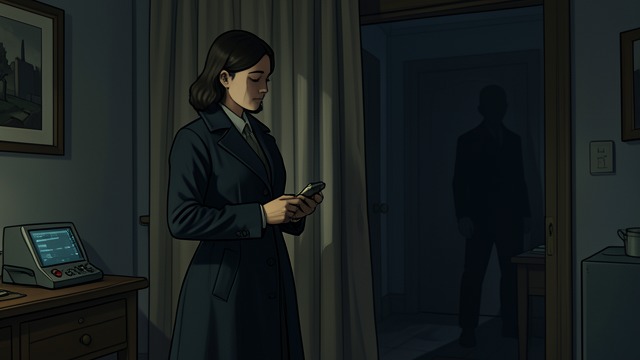
Different reasons to conceal
Flora lies to hide theft, Ursula to protect Ralph, and Miss Russell to protect her son and position. Their deceptions have different moral weights and practical consequences.
Poirot asks for more
Poirot refuses to treat silence as proof of murder. He seeks the motive behind each concealment, making truth a process of interpretation rather than a simple inventory of statements.
A Demand for the Whole Truth
A Demand for the Whole Truth
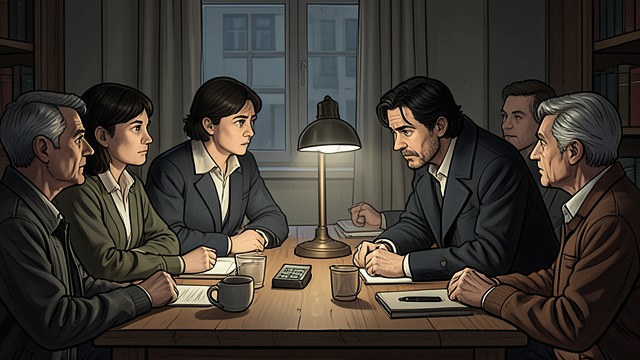
A public challenge
Poirot tells the household that everyone present hides something. He asks each person to speak, forcing private anxieties into the shared space of investigation.
Confession does not equal guilt
Several people eventually admit secrets, but none of those admissions identifies the murderer. The gathering exposes how truth can clarify one question while intensifying another.
Truth as the Final Choice
Truth as the Final Choice
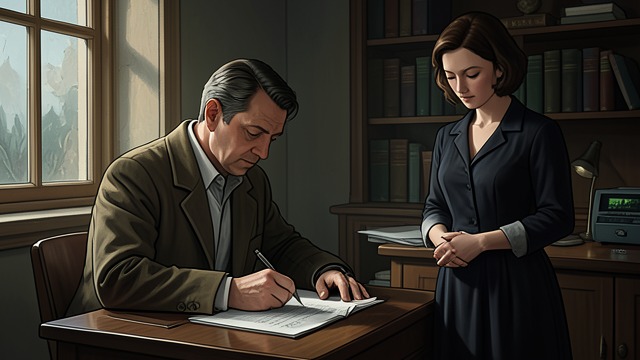
The criminal’s account
Sheppard acknowledges his guilt in writing and lays out the acts he had hidden. His confession comes only after Poirot has already reconstructed the truth.
Justice and mercy
Poirot offers a private way to spare Caroline public knowledge, while requiring Ralph’s innocence to be established. The ending weighs disclosure against compassion without denying the crime.
At the opening, in the village’s established routine
Thursday afternoon before Mrs. Ferrars dies
During the investigation’s middle days
During Poirot’s first gathering of the household
At the ending, after Sheppard’s exposure
