
Marriage and Inheritance Law
The Mysterious Affair at StylesThe legal effects of marriage on wills shape the family’s expectations and become part of a deliberately misleading account of motive.
increasing Bearing strength in each event
 decreasing
Bearing strength in each eventdecreasingThe Old Will
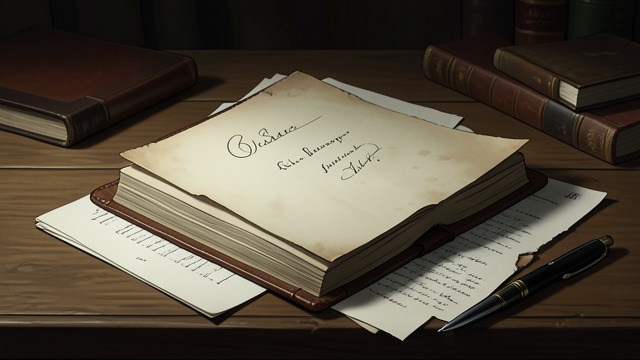
A Will in Alfred’s Favor
An Earlier Document
Emily once makes a will leaving her estate to Alfred, apparently around the time of their engagement. The document is hidden among papers and is unknown to much of the family.
A Future Complication
The will later seems to provide a motive for Alfred, but marriage changes its legal status. Its discovery therefore creates confusion rather than a simple explanation of the murder.
Marriage Revokes the Document

A Legal Consequence
The Rule Explained
Mr. Wells explains that Emily’s marriage automatically revoked her earlier will. A document that appears to settle inheritance is no longer legally operative.
Knowledge Matters
John remembers that Emily had discussed the rule, making it plausible that she knew her earlier will was void. Legal knowledge becomes a question about what Emily understood and intended.
A New Will Complicates Motive
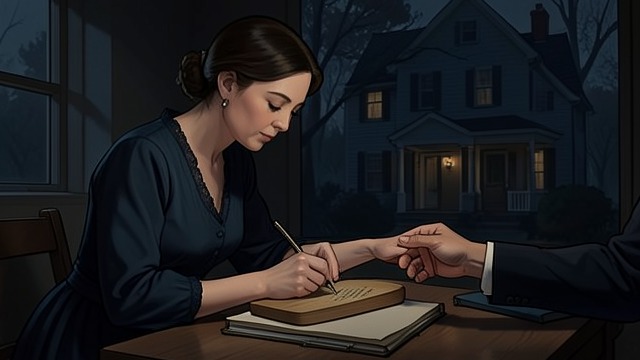
A Fresh Testament
A Document Signed
Emily signs a new will after her quarrel with John, witnessed by the gardeners. Its contents are initially unknown, so investigators imagine that it may benefit a new person.
Competing Interpretations
The prosecution later claims the will favored Alfred and that John destroyed it. Poirot reconstructs how the will was actually burned and why the identity of its beneficiary does not establish the murderer.
The Prosecutor’s Legal Story

Law as Narrative
Inheritance Used as Motive
The prosecution argues that John wanted Emily’s death to revive a will made in his favor. The theory makes legal rules appear to support a straightforward financial motive.
Defence Challenges the Assumption
John’s barrister points out that John understood marriage had revoked the old will. The legal fact does not prove innocence, but it weakens the prosecution’s claim about what John expected to gain.
Law Cannot Replace the Letter
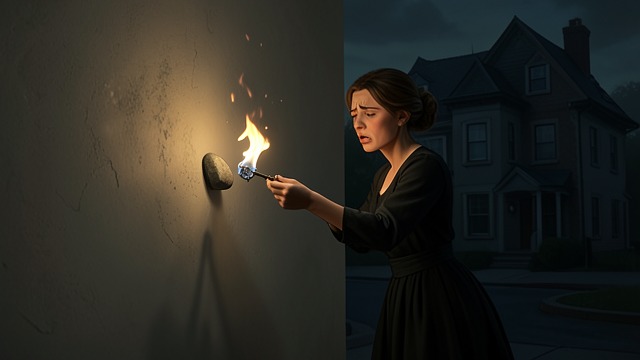
The Document’s Real Meaning
Motive Reframed
The destroyed will is less decisive than the letter Emily discovered. Her decision to burn the will arises from betrayal and fear, not from a murderer’s effort to erase a financial link.
Proof Beyond Inheritance
The case is resolved by connecting the letter to the poisoning method and the frame. Legal rules clarify the stakes, but only the full chain of evidence identifies the conspirators.
Before Emily’s remarriage
After Emily and Alfred marry
Afternoon of 17 July
September, at the Old Bailey
Near the ending
