
Instinct and Evidence
The Mysterious Affair at StylesThe story tests intuition against physical and legal proof, showing how instinct can direct inquiry but cannot replace verification.
increasing Bearing strength in each event
 decreasing
Bearing strength in each eventdecreasingEvelyn’s Claim
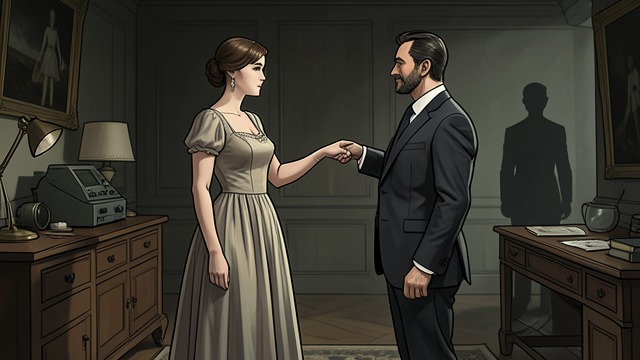
Confidence in Instinct
A Bold Prediction
Evelyn claims that a person close to a murder would know the culprit by instinct, even without evidence enough to prove it. The statement introduces intuition as a powerful but ambiguous force.
A Later Test
After Emily dies, Evelyn’s fierce accusation of Alfred appears to validate her claim. Poirot later argues that her true instinct points elsewhere, revealing that conscious belief can obscure what a person knows.
Poirot Reads the Conflict
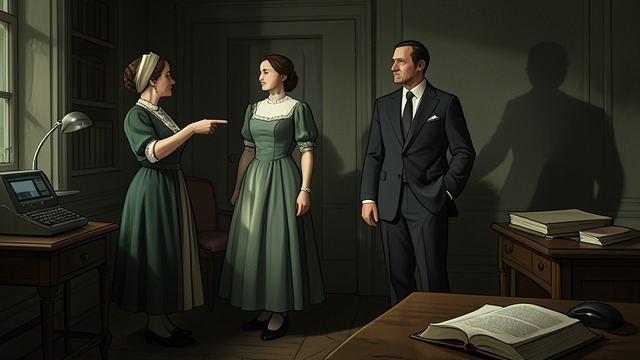
A Name Unspoken
The Accusation Examined
Poirot asks Evelyn whether she truly believes Alfred killed Emily. Her emotional resistance suggests that hatred is being used to suppress a more painful recognition.
Instinct as Direction
He does not treat intuition as a finished verdict. Instead, he uses it to direct questioning and then waits for external evidence to confirm the suspicion.
Hastings’s False Instinct
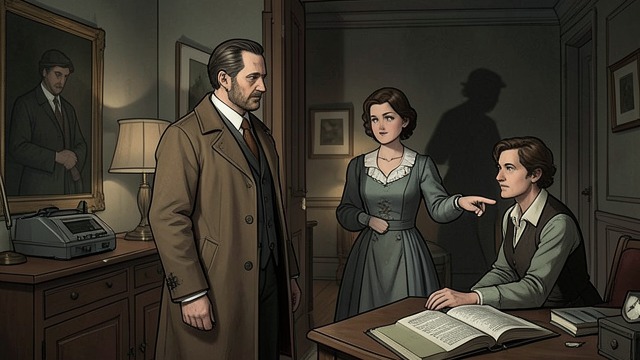
Suspicion Without a Motive
A New Accusation
Hastings suspects Dr. Bauerstein because of his toxicology expertise and his presence at Styles. He builds a possible method from circumstantial coincidence but cannot establish a motive or access to the cocoa.
Imagination Unchecked
His theory shows how a vivid explanation can feel convincing before it accounts for every fact. Poirot’s method requires even a promising instinct to survive logical scrutiny.
The Beard’s Lesson
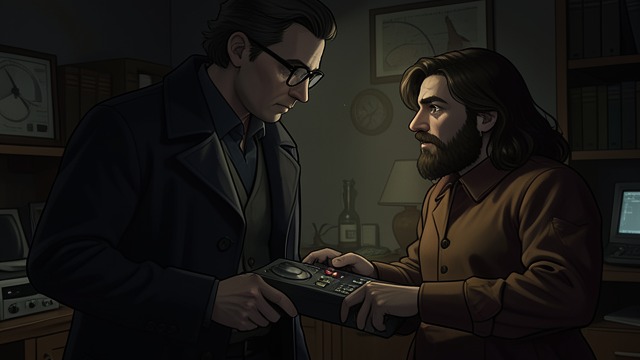
Appearance Is Not Identity
Recognition Reassessed
Albert Mace’s confidence that Alfred bought poison rests on a beard, glasses, and clothing. Poirot asks whether the witness actually recognized Alfred or merely recognized his outward appearance.
Instinct Corrected by Proof
The alibi and disguise evidence overturn the apparent certainty of eyewitness recognition. Observation must be interpreted carefully, because a genuine perception can support a false conclusion.
The Letter Confirms Suspicion

Intuition Meets Proof
From Suspicion to Demonstration
Poirot’s suspicions about Evelyn and Alfred become prosecutable only when the recovered letter supplies direct evidence of their plan. Instinct has guided the inquiry but has not completed it.
Certainty Earned
The final explanation joins the letter to the medicine, timing, and staged clues. The distinction between knowing and proving becomes central to the difference between private detection and justice.
On Hastings’s first afternoon at Styles
After the inquest
After Bauerstein’s arrest
After the inquest
Near the ending
