
The False Frame
The Mysterious Affair at StylesThe conspirators manufacture clues against Alfred and John, turning an apparently conclusive case into a deliberate diversion.
increasing Bearing strength in each event
 decreasing
Bearing strength in each eventdecreasingA Convenient Suspect
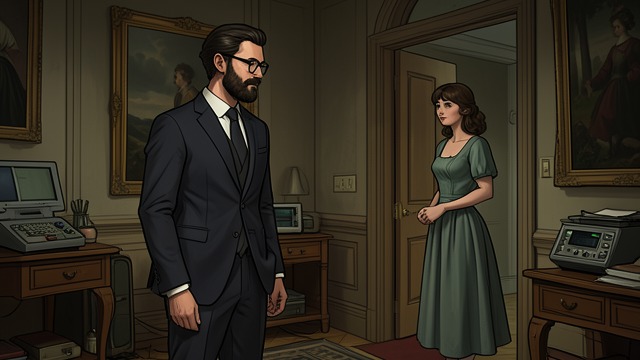
Suspicion Prepared in Advance
Household Prejudice
Alfred’s marriage, his fortune-hunting reputation, and Evelyn’s repeated warnings make him an easy person to suspect. The household’s hostility gives the conspirators a ready-made explanation for evidence that appears to point toward him.
A Persona to Borrow
His beard, spectacles, and distinctive clothes make Alfred unusually easy to impersonate. The disguise can therefore manufacture a public sighting without requiring a convincing facial likeness.
The Poison Purchase
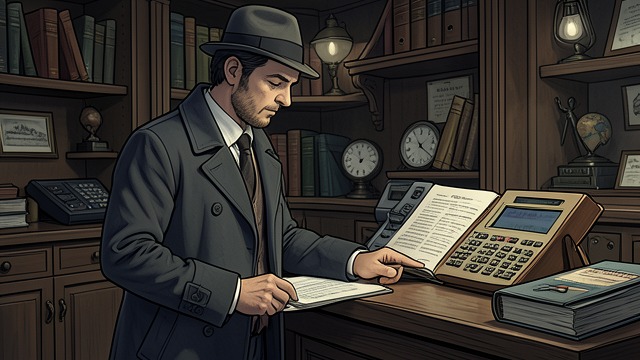
A Manufactured Purchase
The Chemist’s Account
Albert Mace says a man dressed like Alfred bought strychnine and signed the poison register. The testimony seems devastating because the household already expects Alfred to be guilty.
A Hidden Impersonation
Poirot argues that appearance has been mistaken for identity. The clue is not false in itself; it is made misleading by the assumption that the visible disguise proves who wore it.
Alfred’s Alibi
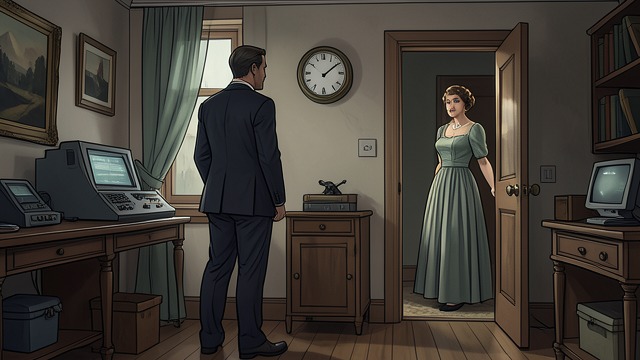
A Suspicious Silence
Refusal to Explain
Alfred declines to give an account of his whereabouts, apparently strengthening the prosecution’s case. His evasiveness is driven by a separate secret and makes his innocence difficult to recognize.
Witnesses Clear Him
Poirot reveals witnesses who place Alfred away from the chemist. That alibi breaks the manufactured case and makes it impossible to treat the purchase as proof of his guilt.
Evidence Planted on John
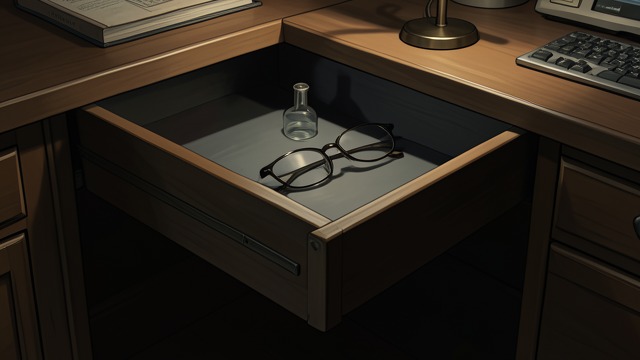
The Second Suspect
Objects in a Drawer
Police discover spectacles and a strychnine phial in John’s room. Their presence appears to connect him to the disguise and poison, but the unlocked drawer and delayed discovery raise doubts.
A New Accusation
John’s financial trouble, affair rumors, and quarrel with Emily are assembled into a prosecution narrative. The case seems to shift from one obvious culprit to another without resolving the deeper conspiracy.
The Frame Collapses
The Plot Turns Against Its Authors
A False Lead Exposed
The alibi disproves the poison-shop identification, while the final letter reveals the real relationship between Alfred and Evelyn. The clues against John were designed to distract from a planned poisoning.
Arrest and Reckoning
Poirot reconstructs the scheme and identifies the evidence as part of a frame. The conspirators’ attempt to control suspicion instead leaves a trail leading to their arrest.
Before the murder
Evening of 16 July
At the inquest and shortly afterward
After Emily’s death
Near the ending
