“The happiness of one man and one woman is the greatest thing in all the world”
The Mysterious Affair at Styles“The happiness of one man and one woman is the greatest thing in all the world” is Hercule Poirot’s declaration of the value behind a consequential choice in the Styles case. He gives the idea first as “a woman's happiness,” then explains that he could have cleared John Cavendish before trial but chose not to, judging that the danger facing John and Mary Cavendish might bring the estranged couple together again.
The Phrase and Its Stakes
When Poirot tells Arthur Hastings that a woman’s happiness is at stake, he presents his hesitation as more than a question of investigative timing. He describes the decision as a gamble with a large personal stake, and identifies that stake as the happiness of a woman. The phrase anticipates his later explanation: Mary’s happiness is bound up with her marriage to John, and Poirot believes that the crisis could restore their relationship.
The wording moves from the particular to the universal. Poirot begins with “a woman's happiness,” referring to the immediate human cost he has in mind, and concludes with the broader claim that the happiness of one man and one woman outranks everything else. The shift makes the line both an explanation of his conduct and a statement of principle.
The Decision Behind the Principle
Poirot reveals that he could have cleared John from suspicion at once and prevented him from being brought to trial. He nevertheless held back, accepting the risk that his course might fail to convict the actual criminals. Their ignorance of his real attitude until the last moment, he says, partly contributed to his success. His choice therefore joins a private hope to the practical course of the investigation: he does not disclose what he could do, and allows the danger surrounding John to continue.
He explains that the ordeal was important because he believed nothing less could bring the proud couple together again. The declaration does not make the trial itself a remedy or erase its danger; it reveals the personal outcome Poirot hoped the crisis might produce. His reasoning places Mary and John’s renewed closeness beside the investigation’s aim of exposing the real criminals.
The Phrase Fulfilled
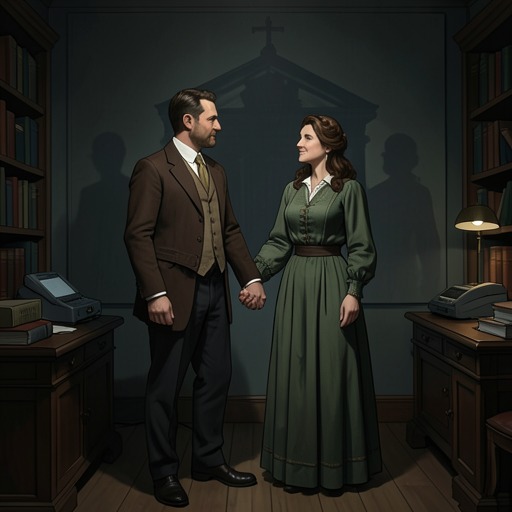
The line’s emotional force comes from the reunion it recalls. After Poirot has brought John back, Mary, pale and exhausted, listens for the sound of the bell below. Poirot meets her anguished gaze, nods gently, and tells her that he has brought John back to her. When John catches Mary in his arms, Hastings sees the look in her eyes. The earlier abstract stake becomes a visible encounter between the reunited spouses.
Hastings initially regards Poirot’s plan with amazement, seeing the audacity of treating a murder trial as a means of restoring marital happiness. Poirot answers that Hastings has misunderstood him and insists that their happiness is the greatest thing in the world. Hastings’s final agreement completes the expression’s movement from Poirot’s private calculation to a shared recognition of what the reunion means.