Revocation of a will by marriage
The Mysterious Affair at StylesRevocation of a will by marriage is the rule, explicitly invoked in the investigation and trial, that Emily Inglethorp’s remarriage made her earlier will legally void. It helps explain why the family’s apparent inheritance arrangements were misleading, why a later will mattered, and why John Cavendish’s knowledge of the rule became part of the defense against the murder charge.
The Earlier Will and Its Apparent Distribution
By a will dated the previous August, Emily had left her entire fortune to her elder stepson, John Cavendish, after making smaller bequests to servants. John explained that the distribution seemed equitable: under his father’s will, John had inherited Styles, while Lawrence Cavendish was due a considerable sum when Emily died. The fortune left to John would help him maintain the estate.
That apparent settlement did not remain legally effective. When Hercule Poirot asked whether English law automatically revoked the will upon Emily’s remarriage, Mr. Wells confirmed that it was now null and void. The distinction between what the document had once directed and what the law recognized after the marriage made the family’s inheritance position less straightforward than the will alone suggested.
Knowledge of the Rule and the New Will
John said that Emily knew the rule: he and she had discussed the effect of marriage on wills only the day before her death. Her awareness matters because it undermines the idea that she necessarily acted in ignorance when making a later testamentary arrangement. The servants’ account adds a concrete detail: Emily called them in and had them sign at the bottom of a long paper beneath her signature, but blotting paper covered the writing, so they could not say what it provided.
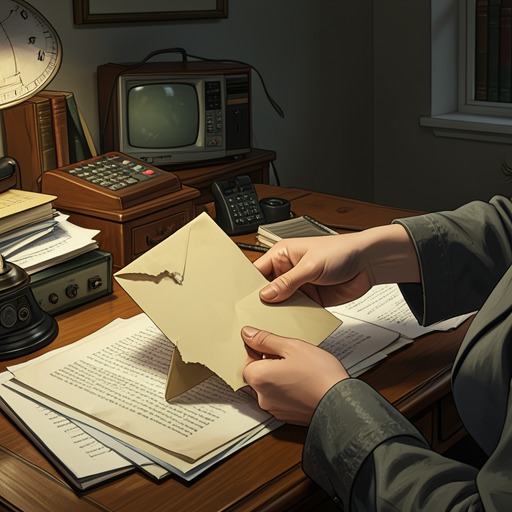
At the trial, the prosecution argued that after a quarrel with John on July 17, Emily made a new will in favor of her husband, Alfred Inglethorp. The document was found destroyed in her bedroom grate the next morning. The prosecution suggested she may have believed her earlier will had been revoked by marriage, a possibility it linked to the family’s discussion of the law. The defense answered that John had formerly practiced at the Bar and knew the earlier will in Alfred’s favor had already been revoked by Emily’s remarriage; it promised evidence about who destroyed the new document, which might alter the interpretation of the case.
Legal Rule as Evidence and Misdirection
The rule does not by itself establish who benefited from, made, or destroyed any particular will. Instead, the shifting legal status of the documents gives the same facts competing meanings. The prosecution presented the destroyed new will as part of a case about John’s financial circumstances and his alleged conflict with Emily; the defense emphasized that John understood the prior will’s revocation and challenged the inference drawn from the destruction. The debate over legal knowledge thus became part of the trial’s evidentiary contest, rather than a settled account of motive.
The novel also places that dispute within a broader pattern of manufactured certainty. Poirot cautions that evidence appearing too conclusive may have been deliberately constructed and must be sifted. In this context, the wills are not transparent records of a stable inheritance plan: Emily had made new wills frequently, changing her intended beneficiaries, while marriage altered the legal force of at least one earlier document. The rule therefore functions both as a practical condition of inheritance and as a source of ambiguity around the family’s motives and the case against John.