
The Story’s Unreliable Frame
The NoseThis flow traces how the narrator alternates between practical detail, unexplained gaps, and direct doubts about the story being told.
increasing Bearing strength in each event
 decreasing
Bearing strength in each eventdecreasingA Detailed Opening
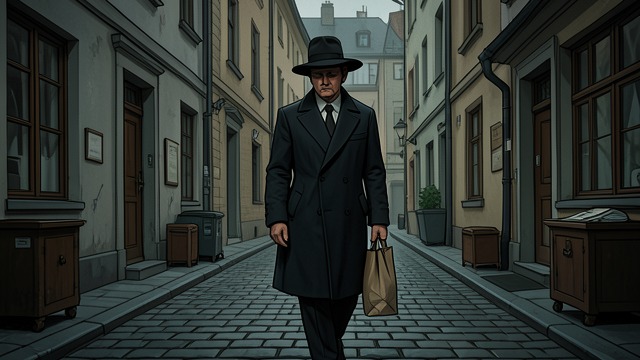
A Detailed Opening
Everyday Specificity
The account supplies streets, meals, clothing, and occupational habits. These concrete details give the strange event the texture of a reported city occurrence.
Confidence Undermined
The narrator also admits that Ivan Yakovlevitch’s family name has been lost. Precision and uncertainty therefore coexist from the beginning.
An Interrupted Account
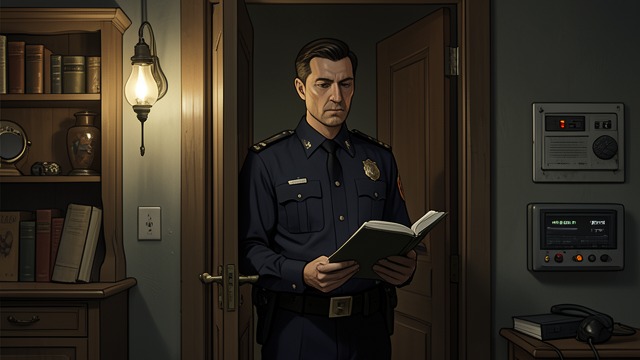
An Interrupted Account
A Missing Sequence
The narrative breaks off as a police inspector questions Ivan Yakovlevitch. The reader is not told what happens in the encounter.
Mystery by Omission
The gap prevents the episode from becoming a complete procedural explanation. The story makes withheld information part of its method.
A Second Veil
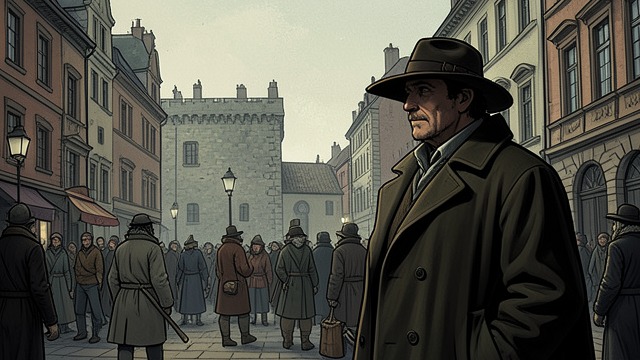
A Second Veil
Events Obscured Again
After reporting the public rumors, the narrator announces that the course of events is once more hidden by a veil. The transition openly marks a break in continuity.
Authority Made Uncertain
Rather than pretending to know every development, the narration foregrounds its own limits. The reader must accept gaps in a tale already resistant to explanation.
Improbability Admitted

Improbability Admitted
Questions Raised
The narrator asks how the nose entered bread, how it moved through the city, and why a writer would choose such a subject. The account becomes openly self-questioning.
No Corrective Explanation
The questions are not followed by a rational solution. The narration makes its lack of closure a central feature rather than a flaw to conceal.
A Conditional Conclusion
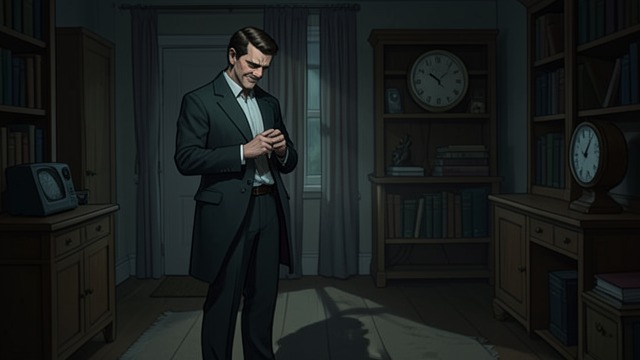
A Conditional Conclusion
Rare Events Allowed
The narrator concedes that such cases may occur, though rarely. This statement neither proves the account nor retracts it.
Reader Left Between Modes
The ending holds literary invention and reported possibility in tension. The reader is left with a story that insists on its absurdity and its possible truth at once.
At the opening on 25 March
After the barber reaches the bridge
After the city rumors
Near the ending
Final paragraphs
