
Fear, Memory, and the Body
The Passage (Justin Cronin Edition)This thread explores how trauma lives in bodies and dreams, shaping the characters’ choices long after the original events.
increasing Bearing strength in each event
 decreasing
Bearing strength in each eventdecreasingLacey’s Field
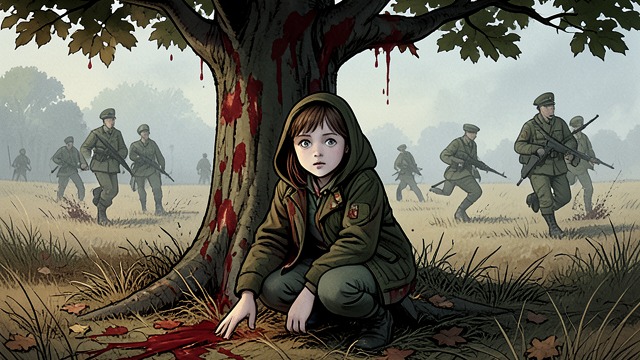
Lacey’s Field
A child survives violence
Lacey hides while soldiers kill her family. She survives by separating her mind from what her body experiences, a defense that later makes her memory incomplete.
Trauma returns as warning
The field remains present in dreams and sensation. Her ability to hear the world as a voice is inseparable from both spiritual belief and traumatic memory.
Wolgast and the Time Machine
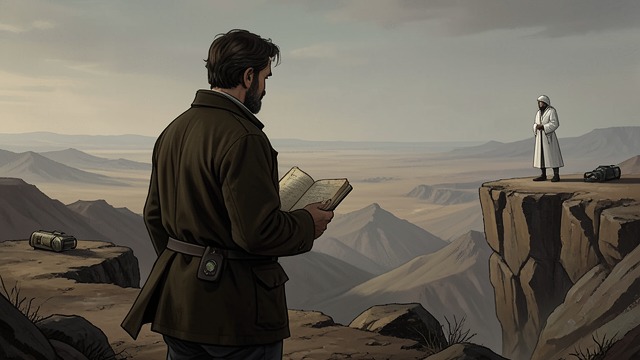
Wolgast and the Time Machine
Memory interrupts the present
Wolgast experiences vivid memories of Eva and Lila, which a counselor calls a time machine. The memories are painful but also precious to him.
Grief becomes connection
His feelings for the dead do not vanish; they shape how he responds to Amy. The past remains part of his moral life rather than an obstacle to overcome.
Sanjay’s Dream of Babcock
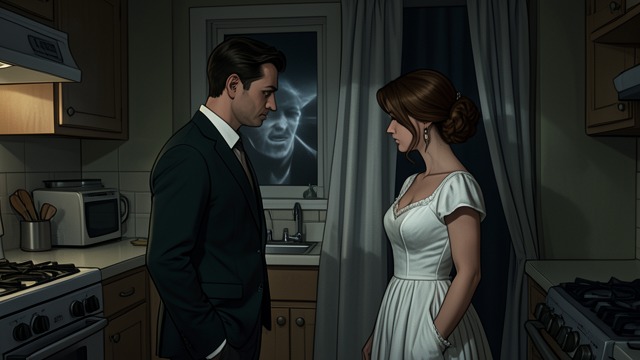
Sanjay’s Dream of Babcock
A recurring image
Sanjay’s dream of the woman in the kitchen links his childhood to Babcock’s violence. The dream feels private, but it is connected to a shared viral consciousness.
A boundary collapses
The distinction between his thoughts and Babcock’s commands weakens. Sanjay loses the ability to tell what is his own, showing trauma as an invasion of the mind.
Theo’s Vigil Against Sleep
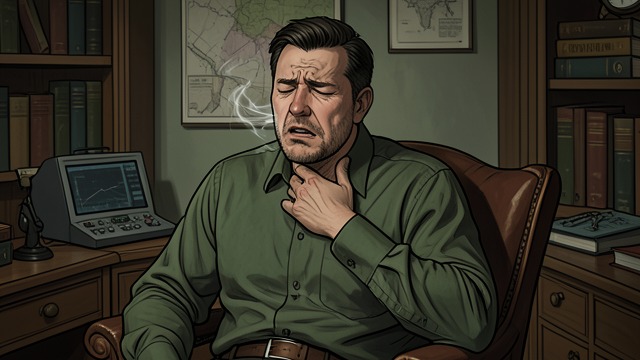
Theo’s Vigil Against Sleep
Exhaustion as a weapon
Theo is forced to remain awake while Babcock’s voice enters his dreams and pressures him to kill. Sleep becomes both a necessity and a threat.
A self under attack
He repeats his own name to resist the imposed identity. His struggle shows how the collective reaches individuals through memories they cannot safely ignore.
Dreams Shared in the Haven
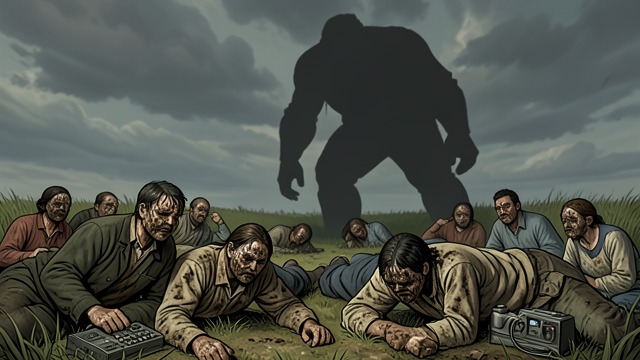
Dreams Shared in the Haven
A common disturbance
The newcomers dream of the fat woman and other memories from the Time Before. The dream crosses personal histories and reveals that Babcock’s influence reaches beyond the infected.
The mind is not private
The Haven’s inhabitants are shaped by a force that moves through sleep, memory, and desire. The dream becomes evidence of a collective world hidden beneath ordinary awareness.
During Lacey’s childhood
During the drive with Amy
During the Colony’s final days
During Theo’s captivity
During the quarantine at the Haven
