Jeanette
The Passage (Justin Cronin Edition)Jeanette is Amy Harper Bellafonte’s mother and the first person to shape Amy’s story: she names her, raises her through early childhood, and ultimately leaves her at a convent when she cannot see how to provide for her. Her arc joins tenderness to loss, making Amy’s departure from home a choice made under pressure rather than a failure of attachment.
Identity and Background
Jeanette was nineteen when Amy was born. She named her daughter Amy after her own mother, who had died when Jeanette was young, and chose Harper as a tribute to Harper Lee, whose To Kill a Mockingbird was Jeanette’s favorite book. She had considered naming the child Scout, hoping she might grow up tough, funny, and wise, but decided against giving her a name she thought would require explanation.
Jeanette had worked as a waitress at the Box since she was sixteen. Amy’s father, Bill Reynolds, was a traveling salesman who had come into the diner. Jeanette learned he was married and had two sons, but did not tell her father Bill’s name, even when her father wanted to find him and make him take responsibility. Amy therefore received her mother’s family name, Bellafonte, rather than Reynolds.
Raising Amy
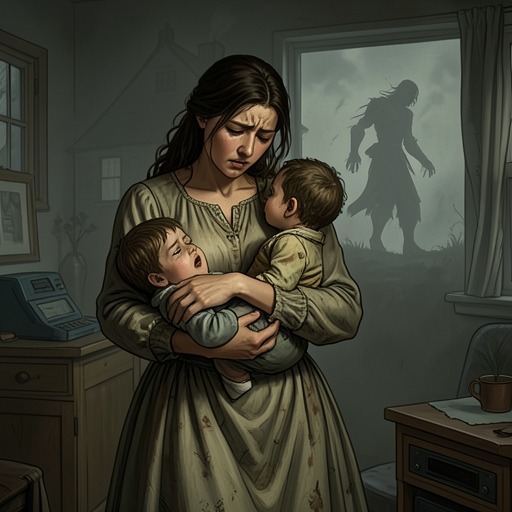
Jeanette’s father helped prepare a room for the baby, painting it a color called Dreamtime and fixing up an old rocking chair. After Amy came home, Jeanette fed, changed, and rocked her. When Amy cried at night, Jeanette went to her and promised she would come whenever her daughter needed her. The promise gives their early bond its defining form: Jeanette’s presence is something Amy can count on.
That stability changed when Amy was three. Jeanette’s father died suddenly, and her wages at the Box were not enough to cover life for herself and Amy. Her brother, who was serving in the Navy, did not answer her letters. The narrative places her later decision against this narrowing of support: she is left with the responsibility of caring for Amy and few apparent means to meet it.
Separation at the Convent
Jeanette eventually leaves Amy in the care of a woman at the convent. Before going, she embraces her daughter and tells her to be good. She has also left a note in Amy’s backpack, intended to be found when Jeanette does not return. The evidence does not give the note’s contents, but it makes clear that Jeanette understands the departure as permanent, or at least as one after which Amy should not expect her to come back.
The farewell is difficult for Jeanette. She struggles to find words, holds Amy longer than she believes she can risk, and tries to preserve the memory of her daughter’s closeness. Then she lets Amy go and walks away. The action overturns the promise she once made to come running whenever Amy cried, but the scene presents that contradiction alongside the care behind it: Jeanette leaves her daughter in another adult’s care while carrying the bond with her.
Narrative Significance
Jeanette’s story establishes Amy’s origins before Amy becomes known as the Girl from Nowhere. The contrast between the mother’s early promise of constant presence and the later separation gives Amy’s childhood a specific human beginning, rooted in an ordinary household and a parent under financial strain.
The book also returns to maternal care through smaller encounters beyond Jeanette’s own plot. At the zoo, Amy touches the glass beside a polar bear while Lacey watches over her; elsewhere, Anthony Carter notices a neglected child and invites her to look at a tiny toad. These moments do not establish a direct connection to Jeanette, but they echo the book’s recurring concern with adults’ responsibilities toward children and with the fragile acts of attention that can offer care.