Lila Kyle
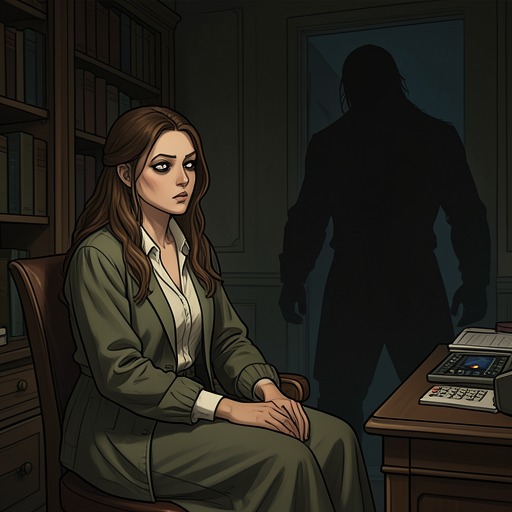
The Passage (Justin Cronin Edition)Lila Kyle, the former wife of Brad Wolgast, re-enters the narrative through news that she has remarried and is expecting a child. The brief encounter between her and Brad does not resolve their separation; instead, it exposes the grief that shaped it. Their shared memory of their dead daughter Eva remains so painful that even a well-meant call turns into an exchange of silences, unfinished thoughts, and belated understanding.
Identity and Background
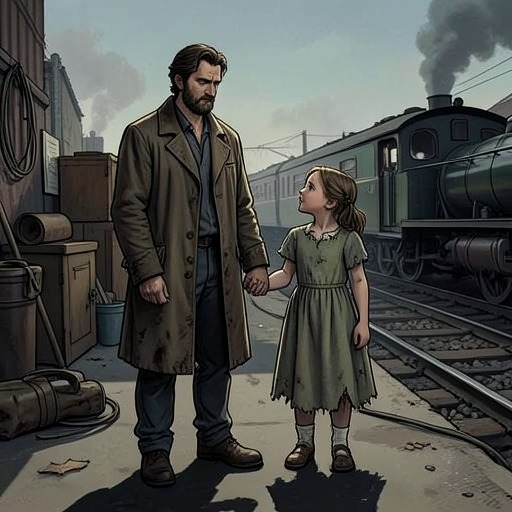
Lila is identified through her past marriage to Brad and her new life with David, a doctor. The available scene gives little independent account of her daily life, but it makes clear that she and Brad once had a child together, Eva, whose death remains central to their relationship. Lila’s written message tells Brad that she and David are expecting a child and plan to marry the following week; by the time Brad calls, the marriage has already taken place.
The news reaches Brad first in writing. He stares at Lila’s message on his computer for about ten minutes, unable to respond. Its concise announcement carries two changes at once: Lila is beginning a new family with David, and the former couple’s shared future has continued separately from Brad. He tells Phil Doyle that Lila is getting married, then declines to explain further. His silence is not indifference so much as an inability to enter the subject without also encountering Eva.
Marriage, Separation, and News of a New Family
When Phil asks whether Brad has heard from Lila, Brad answers that she is getting married. Phil’s surprise turns to a question about the man, whom he identifies as the doctor. Brad does not volunteer the rest of Lila’s message. When Phil presses him about whether he said anything, Brad explains that they are divorced and that Lila can do what she wants. He drains his Scotch and leaves the matter there, treating the legal fact of their separation as a reason not to speak, even though the news plainly affects him.
Later, alone in his motel room after leaving the restaurant, Brad checks the handheld he had left behind and finds no messages. The quiet unsettles him after the restaurant’s noise, and he recognizes that he is poor company these days. He puts on the remainder of the basketball game as something to occupy his attention, but shortly after midnight he calls Lila despite having told himself he would not. The delay, the solitary room, and the hour give the call the shape of an impulse that has outlasted his attempts to keep the news at a distance.
David answers. Brad identifies himself and asks whether Lila has married. She confirms that she has: the ceremony was the previous weekend, at the house, with a few friends and her parents. She adds that her parents asked about Brad and had always liked him; her father may miss him more than anyone. Brad lets the remark pass rather than responding to its implication. The call briefly places him inside the social memory of Lila’s family, but it does not restore his place in her present life.
Eva and the Unfinished Conversation
After David hands the call to Lila, Brad tells her he had wanted to tell her something. She asks what he means, but he cannot answer directly. The narration turns to a memory of Lila in bed, wearing an old T-shirt and the socks she wore because her feet were always cold, with a pillow between her knees to straighten her spine during pregnancy. The concrete details make the remembered pregnancy intimate rather than abstract: the child they were expecting was theirs, and the memory arrives as a picture of a shared life that has since been broken by Eva’s death.
Brad’s comment that Lila’s father may miss him more than anyone prompts an inward question about whether her father misses him more than Lila does. He waits for her to say more, but the silence becomes occupied by the memory of her pregnancy. In this scene, silence is not empty; it holds what neither of them can safely say. Brad’s unfinished disclosure, Lila’s quiet response, and the recollection of Eva all circle the same loss without turning it into a resolved conversation.
Lila tells Brad that she has to go. He knows she is crying, although she does not make a sound to show it. The narration makes their shared grief explicit: both are thinking about Eva, and thinking about Eva makes Lila cry. It was one reason they were no longer together and could not be together. Brad remembers holding Lila as she cried many times, and recognizes that he had never known what to say. Only later, too late, did he understand that she did not need him to find words; he was not supposed to say anything at all.
Narrative Significance
Lila’s role in this passage is defined by the contrast between a changed present and an undiminished past. She has married David and is expecting a child, while Brad remains alone in a motel room, calling after midnight. Yet the remembered image of her pregnancy with Eva makes the past present again, and their shared bereavement momentarily overrides the practical distance of divorce. The scene does not suggest that Lila’s new marriage erases her former life, or that Brad’s call can reverse their separation; it shows instead how both realities coexist.
The encounter also gives Brad’s grief a particular form: not a dramatic declaration but a failure of speech that he understands only afterward. Lila’s tears are silent, and Brad’s most important realization concerns the limits of what he could say to comfort her. His late recognition cannot undo the loss or repair the marriage, but it changes how he understands their old pattern. Lila is therefore not merely the recipient of news or the subject of a memory. Through her brief conversation with Brad, the narrative reveals the enduring emotional cost of Eva’s death and the difference between wanting to help someone and knowing how to stay with their grief.