
Hanna’s Journey from Work to Camp Guard
The ReaderHanna’s movements between jobs and institutions culminate in participation in the camp system and a lifelong reckoning with its crimes.
increasing Bearing strength in each event
 decreasing
Bearing strength in each eventdecreasingLeaving Home for Berlin
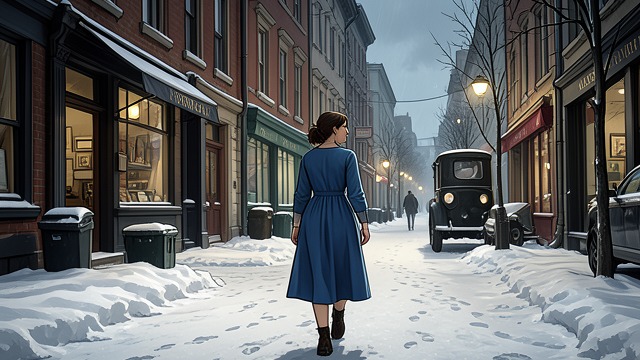
An Early Departure
A New City
Hanna leaves her German community in Romania and goes to Berlin at sixteen. She finds work at Siemens, beginning a life shaped by movement and self-reliance.
Little Attachment to the Past
When she later recounts her early life to Michael, she speaks as though describing someone else. Her detachment leaves the details of family and youth largely unknown.
Voluntary Enrollment
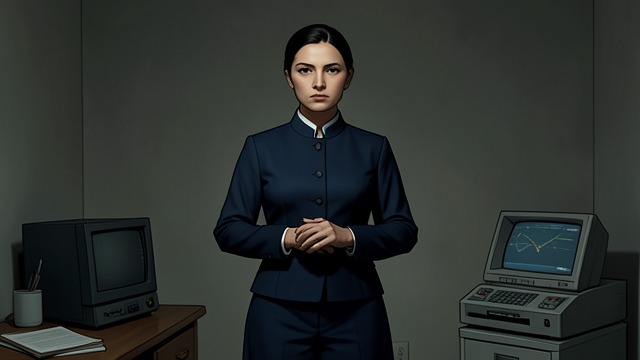
Entering the SS
A Chosen Application
Hanna tells the court that she joined the SS voluntarily after working at Siemens. She does not explain her motives, and her lawyer cannot establish that she was coerced.
A Career Under Concealment
Michael later connects her avoidance of promotion to her inability to read. That vulnerability helps explain her choices without turning them into an excuse for the crimes she commits.
Guarding the Camps
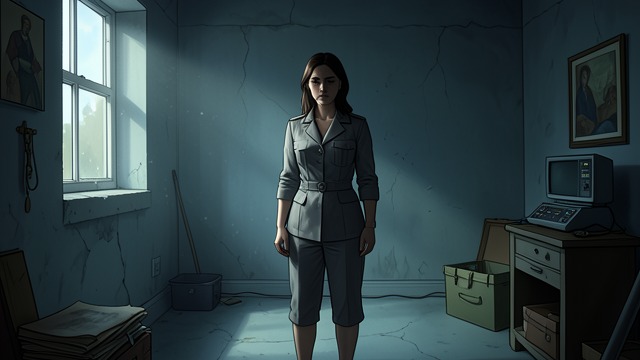
Service and Authority
Auschwitz and the Satellite Camp
Hanna serves at Auschwitz and later at a camp near Cracow. In court, she confirms the basic chronology without offering a full account of her inner life.
Participation in Violence
She takes part in prisoner selections and accepts that those sent back will die. Her language emphasizes procedure and shared responsibility, revealing how readily a routine can conceal the human consequences of action.
The Westward March
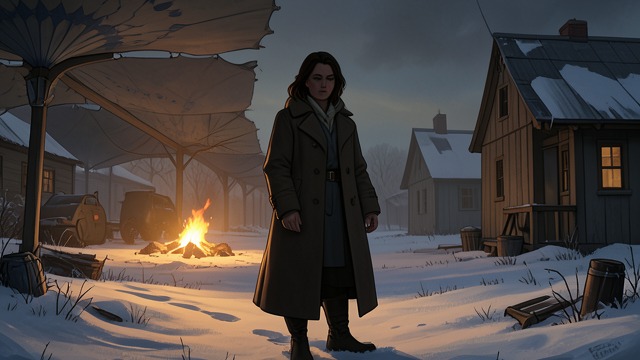
Guarding the Prisoners
A Forced Journey
As the camp closes, Hanna and other guards accompany prisoners west through winter conditions. Many prisoners die from exposure, exhaustion, and the pace of the march.
The Church Decision
At the village church, the guards leave prisoners locked inside during a fire. Hanna explains the confusion but cannot deny that the doors were not opened.
A Life in Prison
Punishment and Change
A Long Sentence
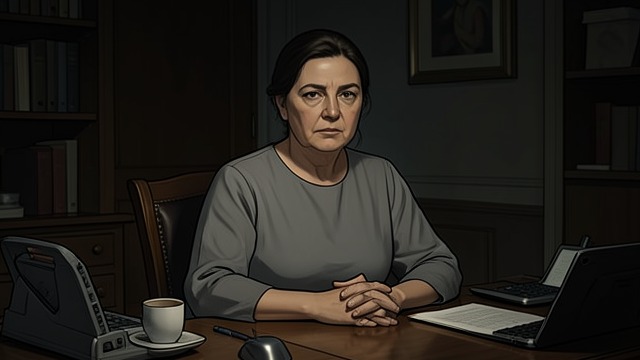
Hanna receives life imprisonment and lives for decades within the institution. She works in the sewing shop and becomes respected by other prisoners.
A Private Reckoning
After learning to read, she studies the camp system and its victims. Her later understanding does not erase her actions, but it changes the life she leads in prison.
At age sixteen
Autumn 1943
From late 1943 through the winter of 1944–45
Winter 1944–45
From her conviction until the eighteenth year of her sentence
