
Naoki's Public Journey
The Reason I JumpThis flow traces Naoki Higashida's development as a writer and the passage of his account from family communication into a wider conversation.
increasing Bearing strength in each event
 decreasing
Bearing strength in each eventdecreasingA Young Writer's Aim

A Young Writer's Aim
A wish to explain
Naoki Higashida wants to describe what may be happening in the minds of autistic people who cannot express themselves. He hopes readers will become better friends to them.
Knowledge from within
His purpose is not to claim that one account explains every autistic person. He offers his own perspective as a way to challenge assumptions built only from outward behavior.
Questions Become a Book

Questions Become a Book
Personal answers
Naoki Higashida responds to questions about communication, movement, feelings, and routines. The range of subjects turns everyday misunderstandings into material for a sustained account.
A young perspective
The answers are shaped by his own experience as a teenager, not by a claim to universal authority. Their force comes from making an inner perspective available in direct language.
A Story of Shun
A Story of Shun
Fiction and feeling
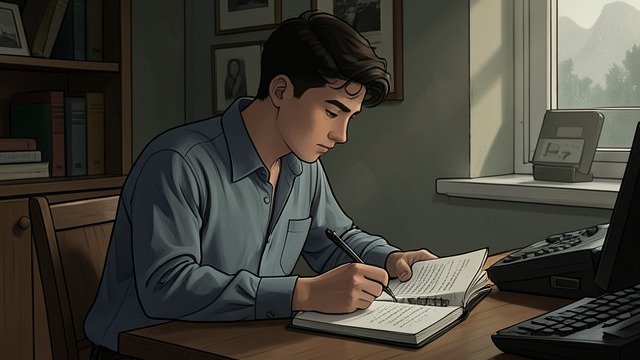
Naoki Higashida follows his explanations with a story about Shun, death, grief, and return. The narrative gives fictional form to the pain of being unable to express oneself to loved ones.
Emotional communication
The story asks readers to feel the distance between a person and those who cannot perceive his presence. Fiction extends the book's argument through emotional experience rather than explanation alone.
An Afterword of Hope

An Afterword of Hope
Reframing obstacles
Naoki Higashida asks readers to understand that autistic difficulties do not necessarily arise from selfishness or ego. His appeal grows out of the suffering he has described across the book.
A shared future
He ends by hoping that autistic people's future will be connected with everyone else's. The writer's journey concludes not with a cure but with a demand for recognition and hope.
A Voice Carried Abroad
A Voice Carried Abroad
A family's response
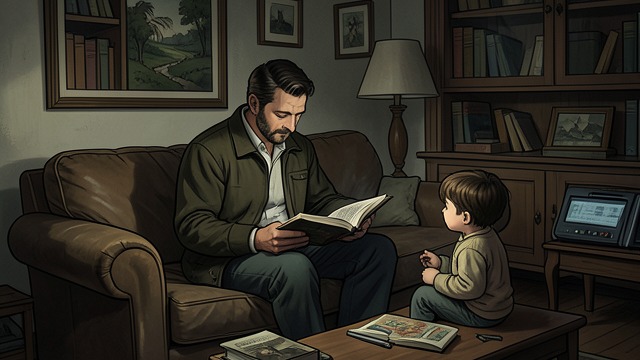
David Mitchell reads Naoki Higashida's work while trying to understand his own autistic son. The book changes how he interprets behaviors he had previously found difficult to explain.
Wider readership
He and his wife help make the work available in English, extending Naoki's words to families beyond Japan. The young author's fate as a writer becomes inseparable from readers who recognize a need for first-person accounts.
during Naoki's school years
as Naoki writes the question-and-answer chapters
after the question-and-answer section
at the end of the book
after David Mitchell discovers the Japanese book
