
Normality and Self-Acceptance
The Reason I JumpThis flow develops the book's challenge to normality as a single standard and follows Naoki Higashida's movement toward accepting his own autistic life.
increasing Bearing strength in each event
 decreasing
Bearing strength in each eventdecreasingCalled Different

Called Different
Difference as a problem
Naoki Higashida recalls learning from others that he was different and that this difference was a problem. He found it hard to perform ordinary activities in expected ways.
A social measure
The label of normality makes everyday difficulties feel like personal failure. The book begins by exposing how judgment can be added to disability from outside.
The Desire to Change
The Desire to Change
A wish for relief
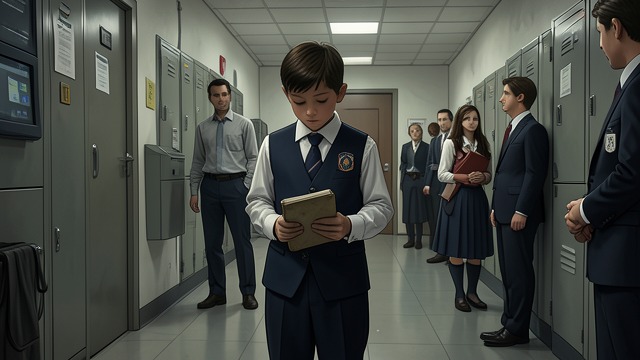
Naoki Higashida says that he once badly wanted to be normal because autistic life felt relentless and depressing. He imagined that fitting in would spare him the daily burden of failure and apology.
Pain taken seriously
His later acceptance does not make the earlier wish foolish. The book acknowledges that life can be difficult while questioning whether normality is the only route to dignity.
The Normal That Cannot Be Known
The Normal That Cannot Be Known
Different points of view
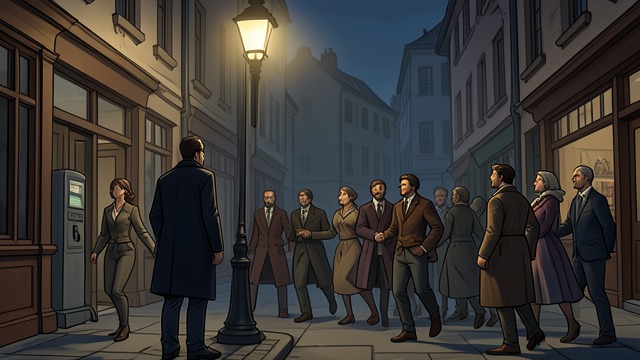
Naoki Higashida observes that autistic people cannot know for sure what another person's normal feels like. For them, having autism is the ordinary condition from which they experience life.
The limits of comparison
This reframes normality as a perspective rather than a neutral destination. The question shifts from how to become normal to how people can seek happiness from where they are.
A Possible Cure Refused
A Possible Cure Refused
A surprising answer
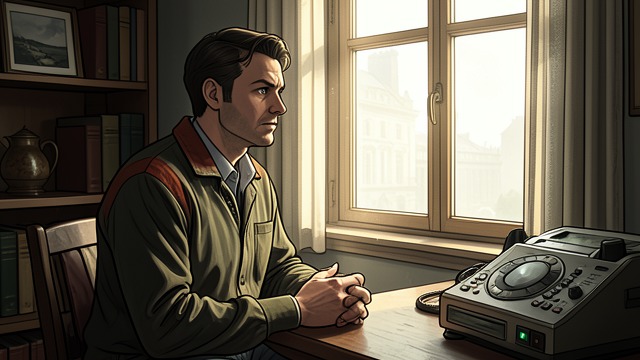
Naoki Higashida says he might choose to remain autistic even if a medicine could cure him. This possibility marks a change from the child who wished to be normal.
Self-acceptance without denial
He argues that all people need to strive for happiness and learn to love themselves. His answer does not erase hardship; it refuses to make an unautistic life the only meaningful one.
A Future Built Together
A Future Built Together
Beyond individual adaptation
Naoki Higashida hopes that readers will understand the obstacles autistic people face and not interpret them as selfishness. His appeal asks for a change in how other people respond.
Shared possibility
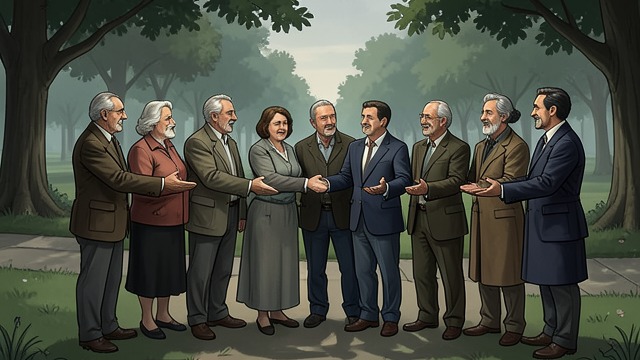
He imagines a future connected between autistic people and the wider world. Acceptance becomes not merely an individual's private adjustment but a collective way of making life more livable.
in Naoki's early recollections
during Naoki's childhood
in the answer about wanting to be normal
near the end of the reflection on normality
in the afterword
