Shun and Nozomi
The Reason I JumpShun and Nozomi are siblings across a rebirth that joins bereavement to renewal. Shun chooses to return to his parents as their child after seeing his mother’s grief, but the return comes at the cost of the memories that make him Shun; five years later, Nozomi’s affection for the same cherry trees he loved quietly links the two lives without making them identical.
From death to a choice
On his way to the supermarket, Shun is struck by a car that runs a red light. The memory returns after the old man tells him he has died: Shun remembers freezing instead of dodging, then awakening outside the supermarket and realizing that he is dead. The loss of his life begins the separation from his family that the later relationship with Nozomi will answer.
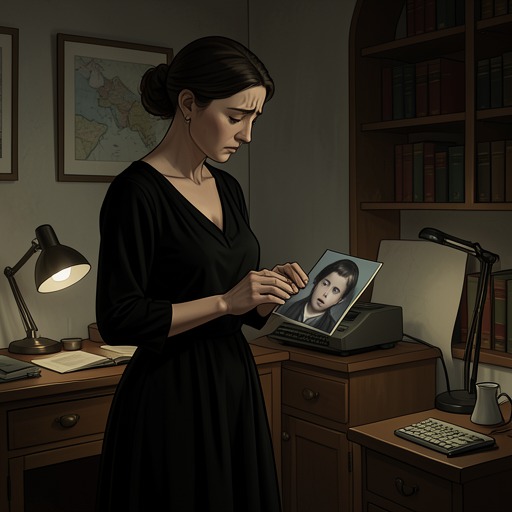
Shun continues to visit his parents from Heaven, unable to speak to them directly. At one visit, he finds his mother staring at his photograph, not eating, and weeping that she wants to be where he is. He stays beside her, invisible, and gently hugs her shoulders. The scene makes their connection bodily but unrecognized: his mother’s hand touches the body she cannot see, and Shun feels the warmth of the cuddles she gave him when he was small. Her grief is not merely something he observes from afar; it reaches him and changes what he is willing to sacrifice.
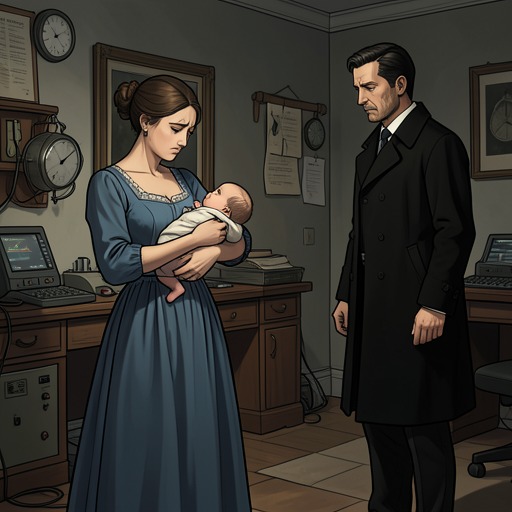
When God tells Shun he can be born to his parents again, Shun responds with immediate joy and imagines returning at once. The possibility, however, is conditional: once born, he will no longer be Shun, and all memories of being Shun will cease to exist. The offer therefore makes the bond with his family inseparable from a crisis of identity. Returning can relieve their suffering, but it cannot preserve the self who remembers loving them.
Choosing return and accepting its cost
Shun hesitates when he understands that rebirth will wipe out his existence as he knows it. His parents’ pain eventually outweighs that fear. When his mother’s anguish becomes unbearable to witness, he decides that he must do what he can to help her, and asks God to return him to her. His choice is an act of kinship made under the precise condition that the person making it will not retain the memories that explain it.
The story gives the decision a visible trace in the family’s world. At the window, the first snow of the year falls lightly; its crystals are formed from Shun’s tears and serve as God’s proof that a boy called Shun once lived. His parents speak of beginning again, while his mother calls the snowfall beautiful and his father remembers that Shun loved snow. The image holds loss and remembrance together: the family can make a fresh start, but the past remains present in what they recall and in the snow that marks Shun’s former life.
Nozomi as sister and new life
Five years pass. As promised, a baby girl arrives in Shun’s family the year after his decision, and her parents name her Nozomi, meaning Hope. She is due to start kindergarten in the spring. The narration presents her as Shun’s younger sister and as the child through whom his return has taken form, while also honoring the price of that return: Nozomi does not carry Shun’s memories as conscious recollections.
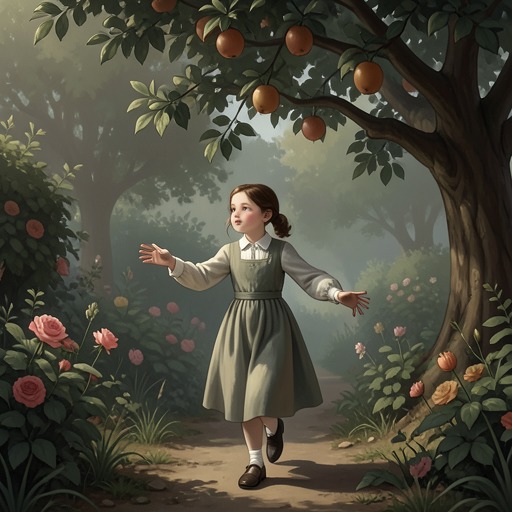
On a walk to the supermarket, Nozomi runs ahead of her mother, eager to buy chocolate, and bumps into someone because she is not looking where she is going. The ordinary childhood errand echoes the earlier journey on which Shun was struck by a car. The parallel is not a repetition of his death: Nozomi’s encounter is a brief collision on the way home, framed by family companionship and the possibility of an ordinary future. Its placement instead brings the two lives close for a moment, with the same destination carrying radically different consequences.
Later, Nozomi asks to visit the cherry trees her brother used to love. She says that the things her brother liked are the same things she likes, then wonders what sort of person Shun was as she gazes at the blossoms. Her words establish an intimate resemblance without claiming that she remembers him from another life. The bond is expressed through shared affection and curiosity: she inherits a family story and a love of the same trees, but Shun remains someone she wants to know.
A bond carried through grief and remembrance
The relationship develops across unequal forms of memory. Shun knows his mother and chooses the return that will erase his memories; Nozomi grows up as his sister, encountering him through what the family remembers and through the things he loved. Her question about what kind of person her brother was keeps him present as a subject of inquiry rather than reducing him to the explanation of her birth.
Their connection also belongs to the parents’ gradual movement through bereavement. Shun’s visits let him see their faces and hear them talk about him, though he cannot speak to them; his mother’s despair makes him fear that his death has left her unable to go on. The decision to be reborn answers that pain, but the snowfall and the father’s recollection of Shun show that a new child does not simply cancel the lost one. Nozomi’s arrival offers hope while remembrance remains part of family life.
The final image of the cherry blossoms gives the relationship its quietest form. Nozomi seeks out a place her brother loved and finds that his preferences resemble her own, yet she still wonders who he was. The story leaves the resemblance open as a living connection rather than proof of recovered identity. Shun’s sacrifice makes a new life possible; Nozomi’s curiosity preserves room for the lost brother to remain distinct within that life.