Shun chooses rebirth as his parents’ child
The Reason I JumpShun chooses rebirth as his parents’ child in order to relieve their grief, accepting that he will cease to remember being Shun. The choice resolves the conflict between remaining himself in Heaven and returning to the family he loves: it offers his parents a child, but not a conscious continuation of the son they lost. Five years later, that child is born as Nozomi, named for hope.
The choice and its cost
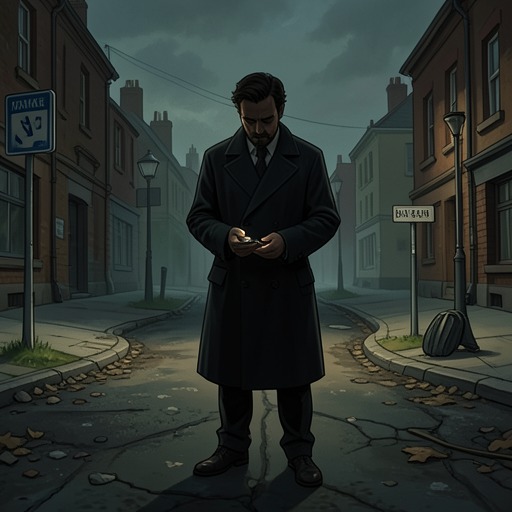
After returning to Heaven, Shun cannot stop thinking about his parents. Their mourning continues, and he feels that although he can be near them, he has no power to help. He asks God for assistance because the thought of his parents’ enduring pain has made it impossible for him to be happy in Heaven.
God offers an unexpected possibility: Shun can be born again to his parents as their child. Shun responds with immediate joy, imagining that he could return to them at once. The offer, however, comes with a defining condition. Once born, he will no longer be Shun, and all memories of having been Shun will disappear. Rebirth can restore a child to the family, but cannot preserve the son’s conscious identity.
Hesitation in Heaven
The condition changes the offer from an uncomplicated reunion into a choice about what counts as continuing to exist. Shun understands that accepting would mean the end of his present self, not simply a new life added to it. His hopes falter, and he wonders what purpose rebirth could have if he is no longer himself. The hesitation also helps him understand why Kazuo and other friends remain in Heaven for so long: the prospect of leaving entails a profound loss.
Shun does not decide immediately. A month passes while he remains in Heaven, which suits him, and he takes some comfort in believing that his parents will eventually join him there. For a time, he trusts that time itself will settle the matter. His delay gives the conflict its full weight: he must choose between the relative comfort of waiting and a return that would help his parents only by erasing his own memories.
His mother’s grief and the decision
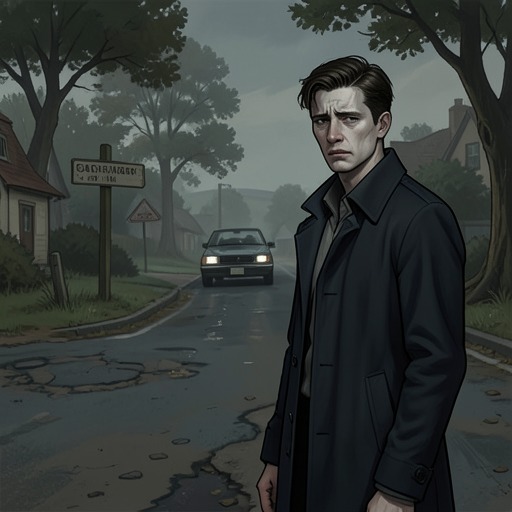
The turning point comes when Shun sees his mother in a state of delirium, calling repeatedly for him. He cannot reach her with his voice. Her grief makes the distance between them more than a matter of separate worlds: the mother he sees is suffering so deeply that Shun fears she has lost her will to live. He recognizes his own death as the cause of her pain and concludes that he must do what he can to help her.
Shun then makes up his mind and asks God to return him to his mother. The request is calm, but it follows a struggle between preserving his identity and responding to the person who needs him. The statement that the future is something people build gives the decision its emphasis: Shun stops waiting for time to resolve the grief and chooses a future through his own action. His choice does not restore his former memories; it accepts their loss as the price of returning to his family.
Rebirth and consequence
After Shun makes his request, many-coloured orbs appear, each containing a tiny gold sphere, and pop one by one. The scene marks the transition from decision to transformation without presenting rebirth as a simple return to the life he remembers. The cost already established remains central: the child who comes back will not retain Shun’s conscious identity.
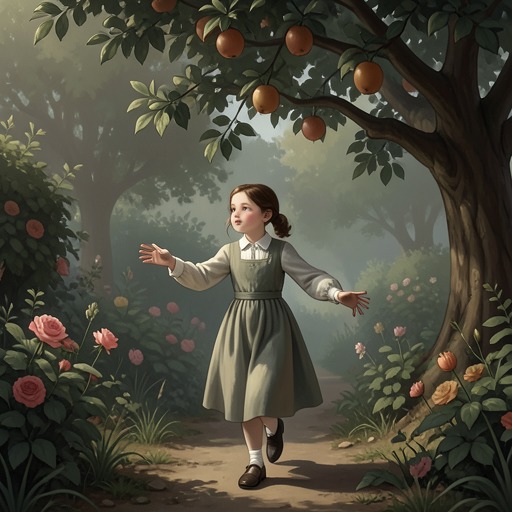
Five years pass. As promised, a new baby arrives in Shun’s family in the year after his decision. The child is a girl named Nozomi, meaning Hope, and she is due to start kindergarten that spring. The name gives the parents’ new beginning an explicit relation to hope, while the time jump shows that the choice’s consequence unfolds through an ordinary family future rather than through Shun’s remembered return as the same person.
Significance
The action binds love to a difficult distinction between the survival of a person and the continuation of a relationship. Shun’s parents can receive another child, but the condition of rebirth rules out a reunion in which their son returns with his memories intact. His decision is therefore both an act of care and a relinquishment: he chooses their chance at a future over the preservation of his own remembered self.
The sequence also turns waiting into agency. At first, Shun relies on the possibility that his parents will one day join him in Heaven; when he sees how severely his mother is suffering, that hope no longer seems sufficient. His choice makes the future something he can act toward, even though its result will not be a conscious restoration of the past. Nozomi’s birth fulfills the promise of a child returning to the family while leaving the central loss intact: Shun’s old identity has not been carried forward as memory.