The future is a thing we build
The Reason I JumpThe future is a thing we build names the decisive movement from helplessness to action in Shun’s encounter with his mother’s impending death. Faced with the grief he believes he caused, he stops treating their separation as something to endure and asks God to return him to her.
From helplessness to responsibility
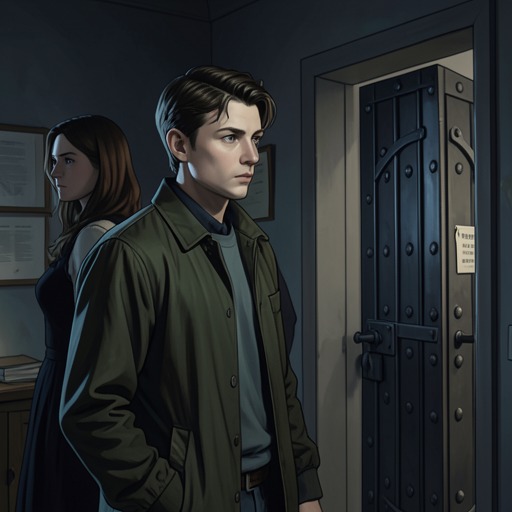
Shun rushes to his mother and begs her not to die, but his voice cannot reach her. The separation feels unbearable: even the prospect of meeting in Heaven cannot make this woman, delirious and beyond his hearing, feel like the mother he remembers. Yet she calls out for Shun. Her repeated wish to see him makes the connection between them painfully present even when he cannot answer her.
The choice to build a future
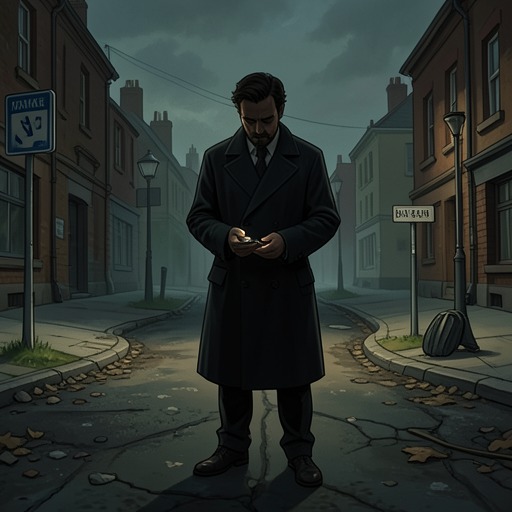
Shun understands his mother’s grief as a danger to her will to live, and he sees himself as responsible for helping her. The thought that he must do what he can gives his anguish a direction. Instead of remaining fixed in the impossibility of reaching her, he makes up his mind and gathers his courage.
The statement that the future is something people build is immediately tested by his request to God: he calmly asks to be returned to his mother. The phrase is therefore not detached optimism. It is a commitment expressed through a consequential choice, made when the outcome is uncertain and his mother is suffering.
What the expression signifies
The expression links love to agency without pretending that grief can simply be undone. Shun cannot make his voice reach his mother in the present, but he can choose what to ask for next. The shift from pleading for her not to die to requesting his own return changes the scene’s direction: helpless separation becomes an attempt to act on their bond. That decision gives the phrase its force—as an insistence that the future is not only awaited, but shaped through choices made under painful constraints.