
The Gesture of Recognition
The Royal GameThe narrator and Dr B form a brief bond through listening, trust, and a warning that interrupts the return of trauma.
increasing Bearing strength in each event
 decreasing
Bearing strength in each eventdecreasingA Countryman’s Approach
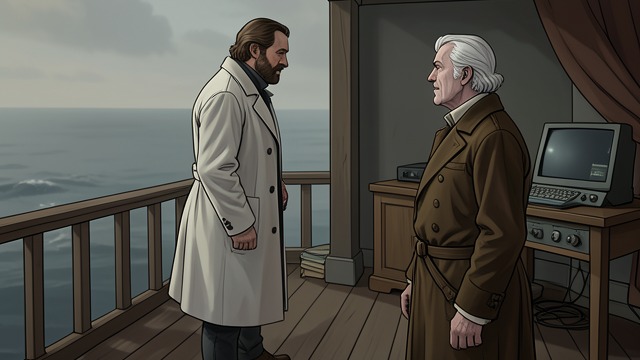
A Careful Introduction
The narrator follows
The narrator approaches Dr B on deck because he shares the man’s Austrian background and has been asked to persuade him to play. He observes his pallor and white hair before beginning the conversation.
Respect rather than pressure
Dr B responds politely but with visible hesitation. The narrator recognizes that persuasion must take account of a delicacy and history he does not yet understand.
A Story Entrusted
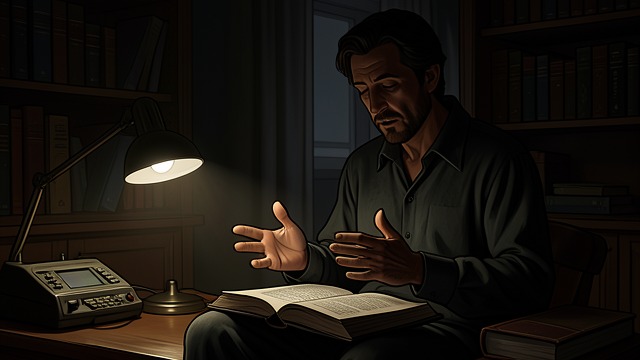
Listening to the Past
A private account
Dr B recounts his imprisonment in considerable detail, explaining how the chess book first helped him and then became the source of mania. The narrator listens without interrupting the story’s difficult progression.
Trust with limits
Dr B agrees to a single test game but explicitly warns against turning it into a new beginning. His confidence in the narrator makes the warning part of their shared responsibility.
A Word at the Crisis

A Bond Becomes Action
The narrator intervenes
When Dr B loses contact with the actual board, the narrator grabs his arm and tells him to remember. He points to the old scar, using a physical detail tied to Dr B’s past.
Recognition restores choice
Dr B understands the warning and stops. The brief gesture does not erase the trauma, but it gives him enough awareness to choose an ending rather than be carried further into the game.
After the stranger leaves the smoking room
During their conversation before dinner
At the moment Dr B makes his illegal move
