
Silence, Speech, and Survival
The Royal GameDr B’s changing access to language traces his movement from isolation through confession to self-protective refusal.
increasing Bearing strength in each event
 decreasing
Bearing strength in each eventdecreasingNo Human Voice
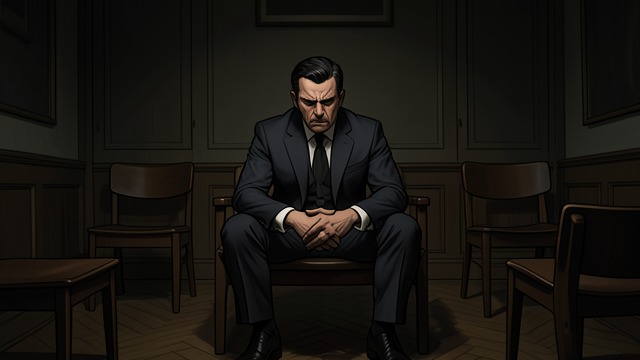
Speech Denied
A silent environment
In his room, Dr B hears no human voice apart from the warder, who is forbidden to answer him. Questions receive no response and no ordinary conversation is possible.
Isolation narrows thought
The absence of speech leaves him alone with repetition and speculation. Silence becomes not peace but an imposed condition that makes the mind turn increasingly upon itself.
A Desperate Declaration
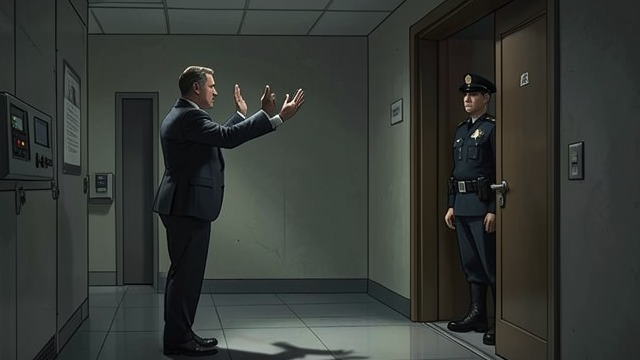
Speech as Escape
The urge to surrender
At a moment of extreme distress, Dr B calls after the warder and offers to reveal what the authorities want. His willingness to speak is driven less by persuasion than by a need to end the unbearable void.
A crisis interrupted
The warder does not respond, and the offer apparently goes unheard. Dr B avoids immediate disclosure, but the episode shows how close silence has brought him to abandoning his commitments.
Choosing the Final Word
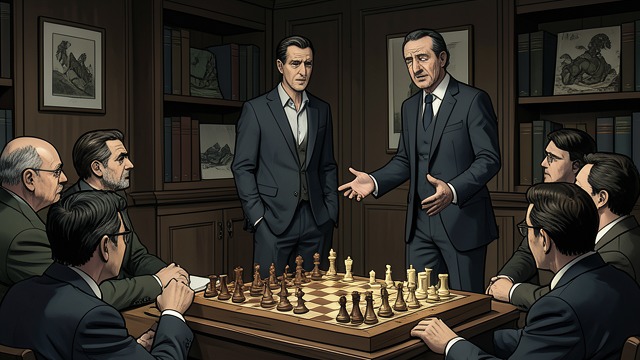
Speech as a Boundary
A clear apology
After the narrator’s warning, Dr B speaks in his ordinary courteous manner and acknowledges the mistake. His return to composed speech marks the recovery of awareness.
A decision to stop
He tells the group that this is the last time he will play chess. The declaration gives him a verbal boundary that the internal game had been unable to provide.
During the opening weeks of Dr B’s confinement
Several months into solitary confinement
At the close of the second shipboard game
