
The Economics of Chess
The Royal GameThe shipboard matches expose how money, professional status, and pride shape the experience of play.
increasing Bearing strength in each event
 decreasing
Bearing strength in each eventdecreasingThe Champion’s Fee
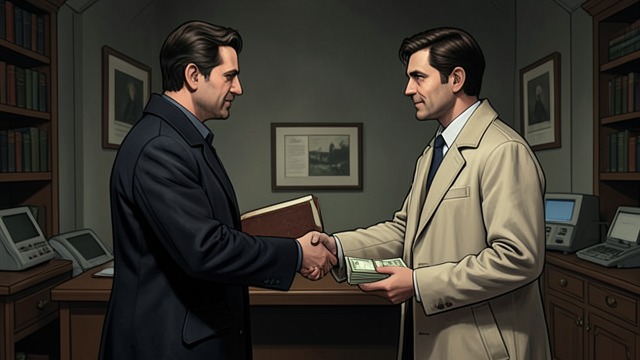
Skill Has a Price
A paid engagement
Mirko Czentovic says his contract prevents him from playing without a fee and asks for 250 dollars. McConnor accepts without hesitation.
Different values
The narrator is surprised that chess can be so lucrative, while McConnor regards a clear fee as preferable to a supposedly generous favor. The exchange turns recreation into a commercial transaction.
A Fortune Behind the Challenge

The Cost of Pride
Repeated payment
McConnor’s insistence on rematches gives Mirko Czentovic repeated opportunities to earn from the group. The narrator suspects the champion could make a substantial sum before the voyage ends.
Money as emotional fuel
McConnor can afford the fee, but his motive is not financial. His wealth enables a contest driven by wounded pride, revealing how money can support rather than settle a conflict.
The Prize of Recognition
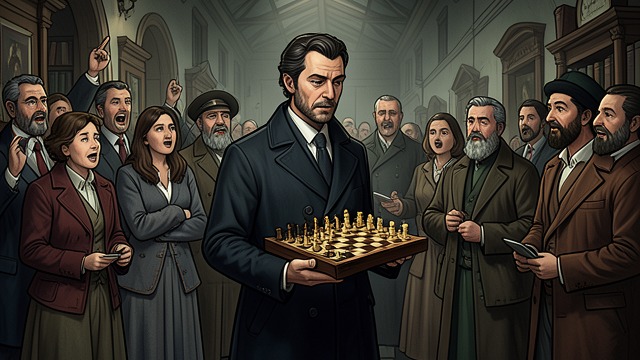
A Victory Beyond Payment
The spectators’ imagined reward
The passengers picture news of a world champion’s defeat spreading across the world. Their excitement shifts from the paid exhibition toward the symbolic value of the result.
What money cannot measure
Dr B’s victory brings no lasting prize that can compensate for his risk. The story contrasts the measurable fee with the unpriced psychological cost of continuing to play.
When McConnor negotiates the first match
During the first rematch
After Dr B forces the world champion to concede
