
The Fragility of Self-Control
The Royal GameDr B’s experience traces the difference between disciplined concentration and a mental state that can no longer be governed.
increasing Bearing strength in each event
 decreasing
Bearing strength in each eventdecreasingA Deliberate Routine
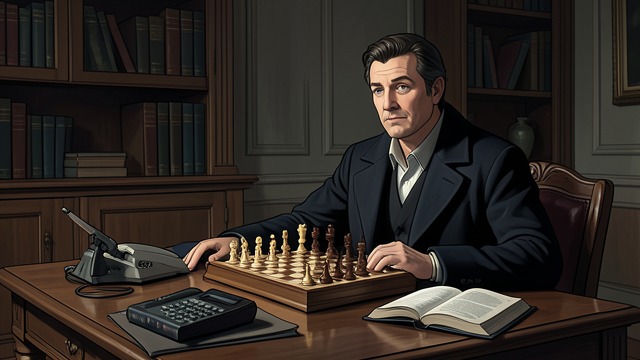
Control Through Practice
Measured effort
Dr B assigns a small number of recorded chess games to each part of the day. Repetition gives his otherwise empty hours a stable structure.
Limits still intact
At this stage, he can stop, resume, and use the book as a reference. The practice helps him organize thought without yet taking control of it.
The Loss of Pause
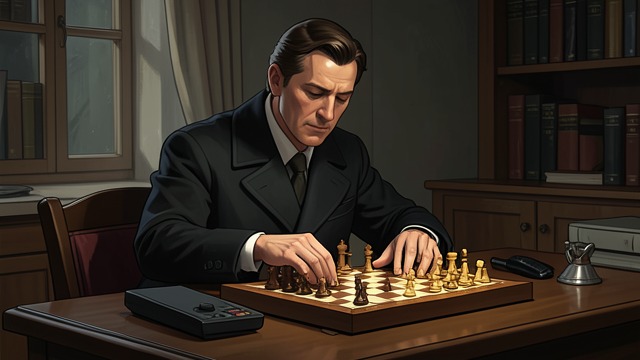
Concentration Without Rest
Activity accelerates
Dr B moves rapidly from one imagined game to another and becomes unable to wait between them. Each inner player demands another chance to defeat the other.
Self-command weakens
He forgets meals, sleeps poorly, and paces compulsively. The loss of pauses signals that a once-disciplined activity has become an uncontrollable drive.
A Chosen Stop
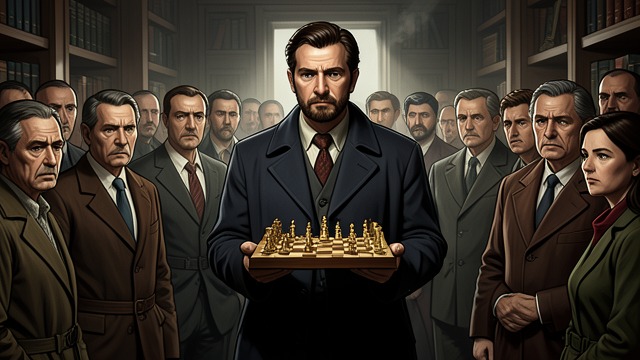
Recovering a Boundary
Recognition of danger
Dr B responds to the narrator’s warning and understands that his thought has become detached from the board. He regains enough self-awareness to stop.
Control through refusal
His final decision is not mastery over chess but refusal to continue playing. By leaving, he restores a boundary that his obsession had previously erased.
During Dr B’s period of systematic study
After Dr B begins playing against himself
At the conclusion of the second shipboard match
