
The Enduring Damage of Confinement
The Royal GameThe story shows that release from physical captivity does not automatically free Dr B from its psychological consequences.
increasing Bearing strength in each event
 decreasing
Bearing strength in each eventdecreasingRelease from the Room
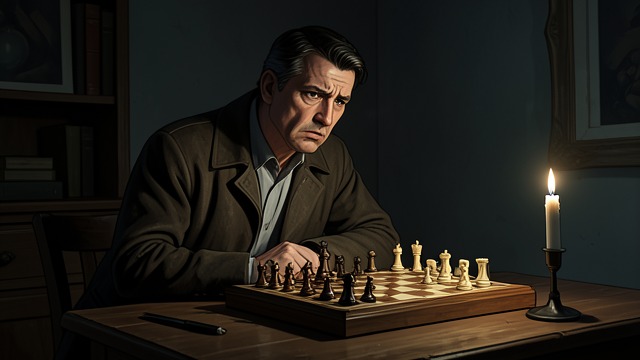
The Cell Door Opens
External captivity ends
Dr B leaves the hospital and is eventually released from Gestapo custody. He must leave Austria, but no longer lives under the same immediate physical confinement.
A mind still marked
His memories remain difficult to access, and he cannot easily think back to the cell. Physical release provides safety without an immediate return to psychological ease.
The Trigger on Deck
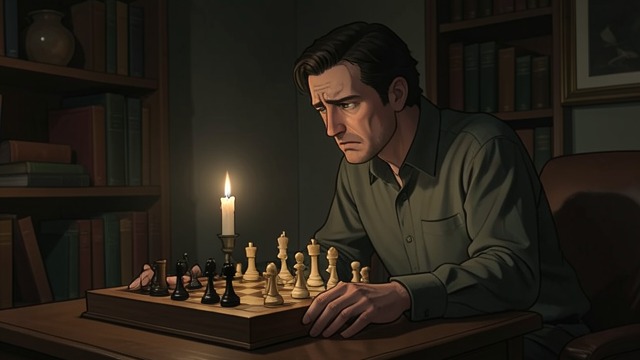
A Familiar Game Returns
Recognition after confusion
Dr B is initially astonished by real players moving physical pieces. He recognizes that their game resembles the imagined chess that filled his confinement.
The past enters the present
His involuntary intervention shows how quickly old patterns can reactivate. The shipboard board is not merely a pastime; it is a link to the room from which he has escaped.
The Pattern Repeats
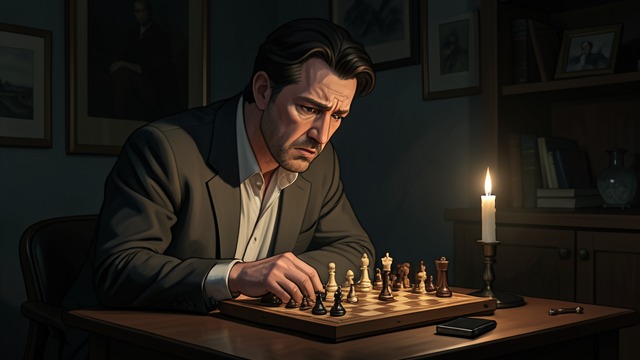
A Recurrence Narrowly Stopped
Symptoms return
Slow play, impatience, pacing, and confusion echo the earlier mental crisis. The public setting cannot by itself prevent the old compulsion from returning.
Intervention creates a break
The narrator’s timely warning helps Dr B stop before another collapse. The ending suggests that release has not erased the damage, making vigilance and restraint essential.
After the hospital doctor intervenes
When Dr B first sees the smoking-room chessboard
During the rematch with Mirko Czentovic
