
The Meaning of Stopping
The Royal GameDr B’s final withdrawal reframes success as the ability to refuse a dangerous contest.
increasing Bearing strength in each event
 decreasing
Bearing strength in each eventdecreasingOne Game Promised
A Limit Set in Advance
A controlled experiment
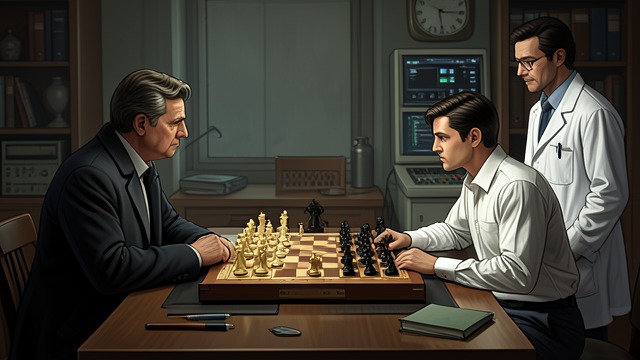
Dr B agrees to one match to test whether his past games can be considered real chess. He distinguishes this limited trial from an ongoing return to competition.
The importance of consent
His condition gives the encounter a boundary. The passengers’ excitement will later challenge that boundary, revealing the difference between their desires and his needs.
The Second Game Begins

A Boundary Gives Way
Victory invites repetition
Mirko Czentovic asks for another game, and Dr B agrees before the narrator can intervene. The first win turns a planned test into a temptation to continue.
Excitement obscures risk
Dr B’s eagerness and hostile remarks signal that the game is no longer a neutral experiment. Success begins to weaken the restraint he had established beforehand.
Leaving the Board
Refusal as Resolution
A conscious withdrawal
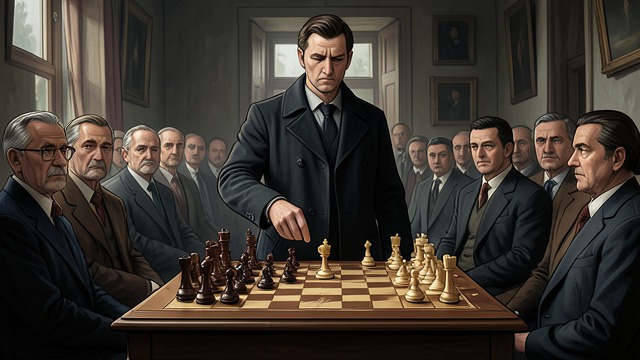
After recognizing his mistake, Dr B apologizes and announces that he will not play again. He leaves without waiting for the passengers to interpret his decision.
A different kind of victory
The story refuses to measure the ending only by who wins the chess match. Dr B’s refusal interrupts a destructive repetition and becomes the most important act of self-preservation in the book.
Before the first direct match
Immediately after Dr B’s first victory
At the end of the second game
