
Fear, Hatred, and Courage
The Screwtape LettersThis flow traces how wartime fear might become resentment, but instead exposes the patient’s choices under pressure.
increasing Bearing strength in each event
 decreasing
Bearing strength in each eventdecreasingFear Without an Object
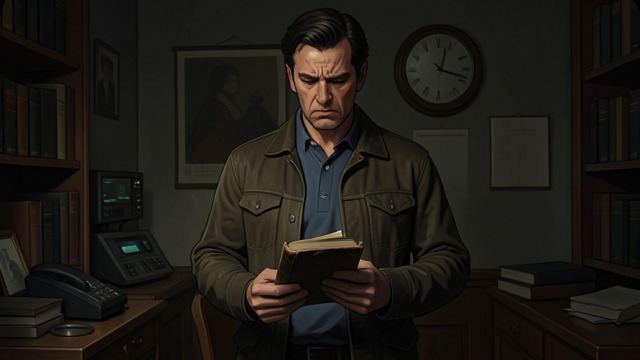
Anxiety in Suspension
Uncertainty
The patient’s fear is heightened by not knowing what will happen. Screwtape wants him to rehearse outcomes rather than accept the uncertainty actually present.
Moral Distinction
Fear itself is painful but not a moral failure. The important question is how the patient acts when danger finally arrives.
Hatred as Compensation
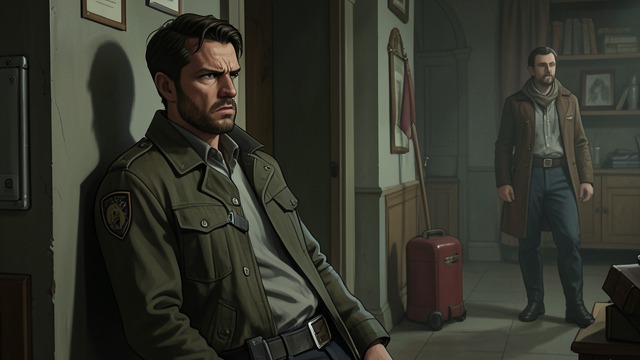
Anger Redirected
Scapegoating
Wormwood may encourage hatred of distant enemy leaders while leaving the patient’s immediate relationships untouched. Abstract anger can feel righteous without requiring personal charity.
Proximity
Screwtape prefers malice directed at neighbors the patient actually meets. Real daily resentment can do more damage than theatrical hatred of remote figures.
Cowardice Tempted

Hidden Reservations
Preparation
The demons encourage imaginary escape plans and private exceptions to duty. These make the patient feel that he has a fallback apart from courage and obedience.
Risk
If fear becomes cowardly action, the patient may either despair or discover a deeper moral truth. Screwtape recognizes that even a successful temptation may awaken repentance.
Duty Overcomes Panic
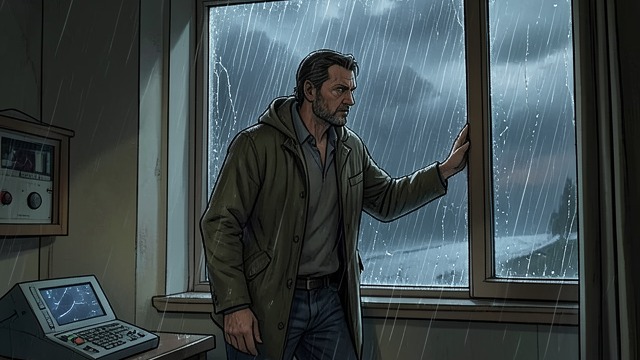
Conduct Under Pressure
Response
The patient is frightened, yet remains at his work and fulfills his responsibilities. The raid exposes the gap between emotional fear and a chosen act of courage.
Reversal
Wormwood cannot claim the patient’s surrender. The danger that was supposed to break his character instead makes his moral commitments visible.
Hatred Defeated by the Ending
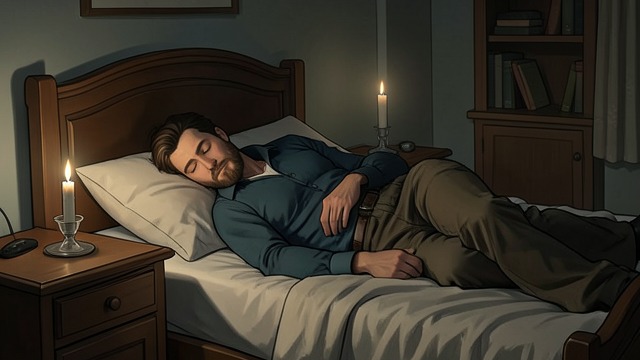
The Limits of Violence
Sudden End
The patient’s death prevents the war from becoming a long campaign of resentment or spiritual attrition. Human violence does not decide his final destination.
Transformation
The passage into Heaven resolves the conflict at a level beyond political hatred. The final answer to fear is not revenge but recognition and belonging.
As war begins and the patient awaits danger
As bombing threatens the patient’s community
Immediately before the patient’s first air raid
During the patient’s first air raid
At the patient’s death in the bombing
