
Change, Fashion, and Permanence
The Screwtape LettersThis flow explores the way the demand for novelty unsettles stable commitments while genuine rhythm joins change with continuity.
increasing Bearing strength in each event
 decreasing
Bearing strength in each eventdecreasingThe Desire for Novelty
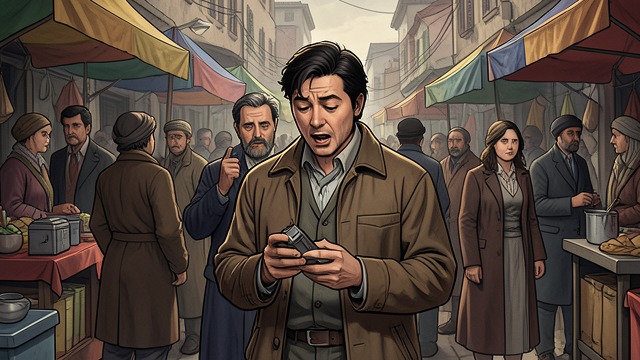
Change Made Absolute
Natural Pleasure
Humans enjoy change, but they also value permanence. Screwtape describes rhythm as a way both needs can coexist in seasons and recurring festivals.
Temptation
Hell isolates the pleasure of novelty and turns it into a demand for continual difference. This appetite can erode contentment without providing lasting satisfaction.
Fashion Replaces Judgment

Currentness as a Standard
Distraction
A person may ask whether an idea is progressive or reactionary rather than whether it is true, just, or prudent. Fashion supplies an answer without moral reasoning.
Effect
The patient becomes dependent on the movement of opinion. What seems modern gains authority simply because it is new.
A Novelty in Religion

Distinction Through Addition
Repurposing
Christianity can be paired with successive causes, theories, and fashions. The new attachment promises a more interesting identity than ordinary faith.
Cost
The patient may value Christianity for its usefulness to a preferred movement rather than for its truth. Novelty redirects belief into a tool for distinction.
The Recurring Work of Faith

Rhythm and Return
Repetition
The Church’s recurring seasons unite fasting and feasting, change and familiarity. Repetition need not be stagnation; it can renew attention to enduring truths.
Resistance
The patient’s continued engagement can counter the craving for infinite novelty. Returning to familiar practices may deepen rather than diminish their meaning.
A Future Not Worshipped
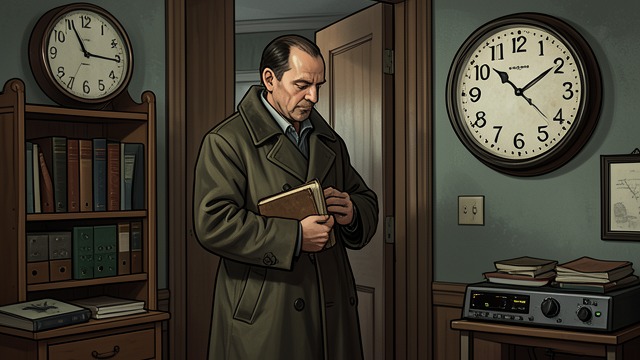
Hope Without Evasion
Planning
The patient may prepare for future duties, but planning itself belongs to the present act of responsibility. The future need not become an object of worship.
Resolution
The patient’s story shows that stable commitment can coexist with change and danger. Its ending arrives through a future he could not control, not one he had designed.
When Screwtape explains the horror of the same old thing
During the patient’s exposure to fashionable opinion
As the patient meets new Christian circles
During the patient’s continued participation in church life
During the patient’s wartime years
