
The Contest for Attention
The Screwtape LettersThis flow follows the recurring struggle over whether the patient looks outward toward reality or inward toward self-monitoring.
increasing Bearing strength in each event
 decreasing
Bearing strength in each eventdecreasingThe Lunch Distraction

Attention Diverted
Interruption
Screwtape recalls steering an earlier atheist away from serious thought by suggesting lunch and familiar street life. The method depends on interruption rather than refutation.
Precedent
For the patient, the same principle means that attention can be managed before a belief is consciously rejected. Ordinary experience becomes a means of avoiding difficult questions.
Prayer Turned Inward
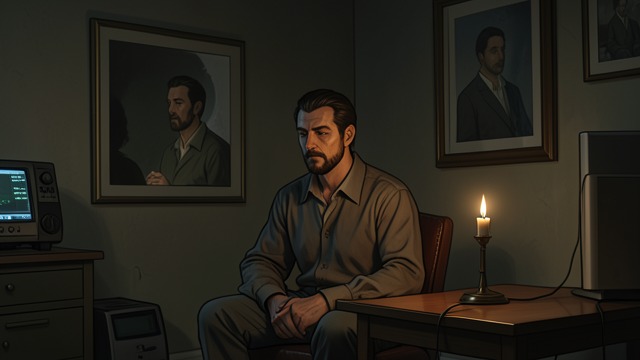
Self as the Object
Monitoring
The patient may watch his feelings instead of addressing God. He can become preoccupied with whether he has successfully produced devotion, courage, or charity.
Reversal
The demonic tactic is to bend attention toward the self when it might otherwise turn outward. Prayer becomes a performance measured by emotion.
Fear Made Present

The Object of Fear
Projection
Wormwood wants the patient fixed on imagined disasters. Screwtape instead notes that fear itself, as a present trial, can be faced and borne.
Principle
The direction of attention changes the effect of a mental act. Some inward observation assists faith, while inward fixation can also hide the person or duty before him.
The Worldly Gaze
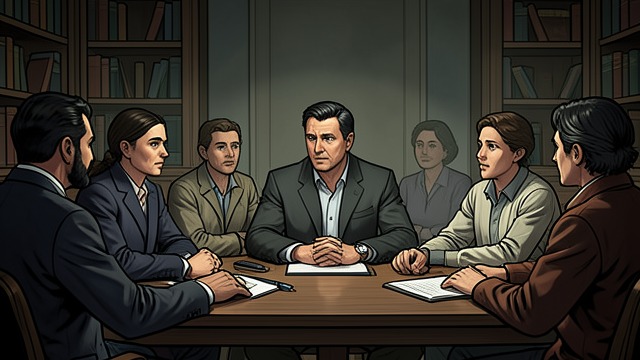
Attention Captured by Approval
Performance
The patient attends closely to the reactions of sophisticated companions and less closely to his own convictions. Their approval shapes his manner before he admits their influence.
Consequence
This outward fixation on status leaves him inwardly divided. The social scene occupies attention that might otherwise disclose his dishonesty.
A Clearer Orientation
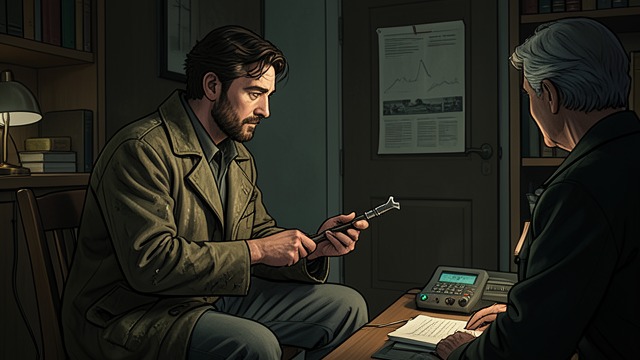
Attention Recovered
Immediate Duties
The patient becomes more attentive to neighbors, work, and the obligations actually before him. He is less absorbed in hypothetical futures and spiritual self-display.
Completion
His final recognition makes clear the spiritual reality toward which this outward attention had pointed. The struggle over attention ends with the patient seeing what had been present but unseen.
Before the patient’s conversion
During the patient’s early prayer practice
During the patient’s wartime suspense
During the patient’s social compromise
After the patient’s repentance and during wartime service
