
The Patient’s Courage
The Screwtape LettersThis flow distinguishes the patient’s fear from his conduct and follows how danger tests his developing virtue.
increasing Bearing strength in each event
 decreasing
Bearing strength in each eventdecreasingAnticipated Danger

Fear Before the Trial
Projection
The patient imagines possible dangers before knowing which will occur. This uncertainty can absorb attention and make hypothetical suffering seem more important than present duties.
Preparation
Screwtape aims to turn precaution into hidden reservation. The patient’s challenge is not to feel no fear but to avoid making self-protection his governing purpose.
The Fear of Cowardice
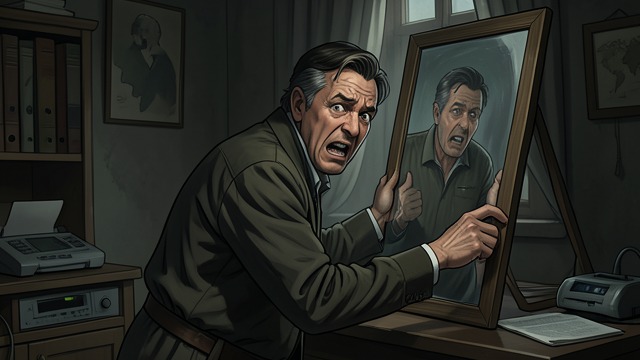
A Moral Test Approaches
Shame
The patient may dread discovering himself cowardly. Screwtape sees that such self-knowledge could lead either to despair or to honest humility.
Strategy
The demons try to fill the patient’s mind with escape plans and imagined lifelines. They want a total commitment to duty quietly undermined before the moment of decision.
First Raid Conduct
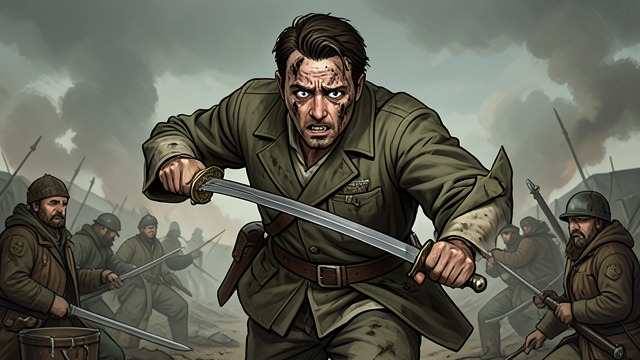
Courage in Action
Fear Remains
The patient is frightened and considers himself a coward. His feelings are painful, but they do not determine his conduct.
Duty Fulfilled
He does what his responsibility requires and perhaps more. The contrast between his self-assessment and his actions shows why courage cannot be measured by emotional ease.
A Failed Temptation

The Demon’s Poor Return
Minor Faults
Wormwood can report irritability toward a dog, excessive smoking, and a forgotten prayer. These fail to outweigh the patient’s conduct under danger.
Judgment
Screwtape rejects the attempt to plead intentions or difficulty. In the infernal accounting, the patient’s actual choices have defeated the intended moral collapse.
Courage Meets Eternity

The Trial Ends
Passage
The patient dies in the violence of war after acting faithfully under threat. His life is not extended into the long attrition Screwtape hoped to exploit.
Resolution
The story gives courage a place within a larger passage toward Heaven. The patient’s fear neither defines him nor prevents his final arrival.
When the patient first faces uncertainty about wartime service
As the danger of bombing becomes more immediate
During the patient’s first air raid
Immediately after the first air raid
At the patient’s death in the bombing
