
The Corruption of Community
The Screwtape LettersThis flow follows how fellowship can be distorted into faction, fashion, or an exclusive inner circle.
increasing Bearing strength in each event
 decreasing
Bearing strength in each eventdecreasingParish as Shared Space

Community Without Selection
Local Unity
A parish brings people together through place rather than matching tastes. Its mixture of personalities resists the patient’s impulse to choose only congenial company.
Formation
The arrangement can teach humility and patience. Screwtape recognizes that shared worship becomes dangerous when the patient receives it as a pupil rather than a critic.
Faction Within the Church

Difference Made Hostile
Customs
Disputes over ceremonial practice and party identity can provoke hostility even when participants cannot explain the underlying doctrinal distinctions. Trivial disagreements become badges of belonging.
Loss
Faction turns shared Christian life into a contest for superiority. It makes charity appear less important than winning an argument about forms.
Christianity with an Addition

Faith Repackaged
Fashion
Screwtape recommends attaching Christianity to a fashionable cause or theory. The faith then becomes one component of a branded identity rather than the governing reality.
Distraction
Novelty can draw attention away from enduring moral questions. The patient is encouraged to seek distinction rather than practice ordinary fidelity.
The Inner-Ring Appeal
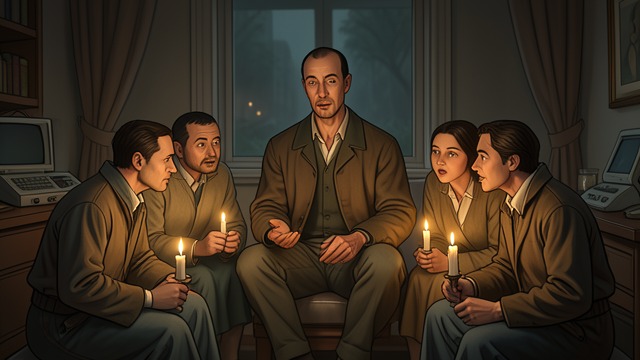
Fellowship Becomes Status
Enchantment
The patient may assume that the group’s intelligence and kindness prove he belongs among them by right. His lover’s influence can make the circle seem like his natural social home.
Distortion
The inner-ring temptation turns community into a secret advantage. Instead of receiving acceptance with gratitude, the patient may congratulate himself and look down on outsiders.
Community as Charity
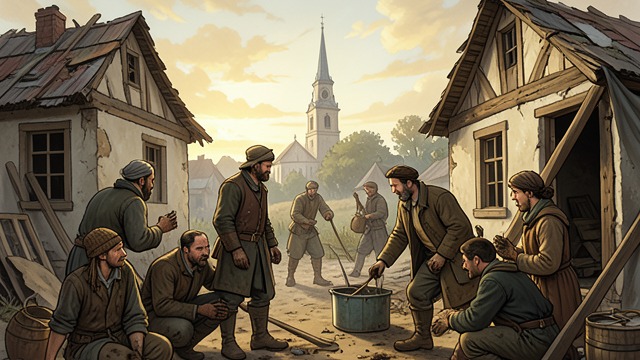
Fellowship Recovered
Practical Care
The patient’s wartime duties bring him into greater contact with neighbors beyond any favored circle. Shared need challenges exclusive definitions of community.
Fulfillment
The final vision of Heaven is a communion that preserves distinct persons without making status its basis. It is the opposite of both faction and infernal possession.
During the patient’s early churchgoing
When Wormwood considers directing the patient toward church parties
As the patient encounters political and intellectual Christian movements
After the patient enters his lover’s Christian circle
During the patient’s wartime service and final passage
