
The Contest for Virtue
The Screwtape LettersThis flow tracks the demons’ reliance on borrowed human virtues and the patient’s choices that make virtue effective.
increasing Bearing strength in each event
 decreasing
Bearing strength in each eventdecreasingVirtue Cannot Be Manufactured
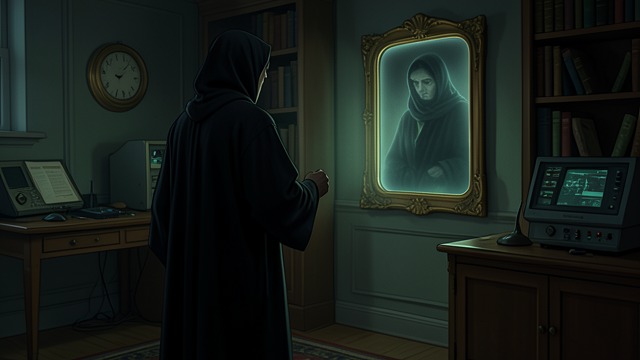
A Demonic Limitation
Dependence
Screwtape admits that Hell cannot produce courage or other virtues. It can only exploit qualities that come from the Enemy and use them as footholds.
Contradiction
A vicious person may need courage or self-denial to become effectively wicked. Evil remains dependent on goods it cannot create.
Courage Under Threat

Virtue at the Testing Point
Risk
The patient’s courage is not a comfortable disposition but a quality tested when danger makes retreat attractive. Fear remains present throughout the trial.
Outcome
He performs his duty, showing that virtue becomes real through action. The moment gives Screwtape’s abstract analysis a concrete human example.
Small Faults and Real Conduct
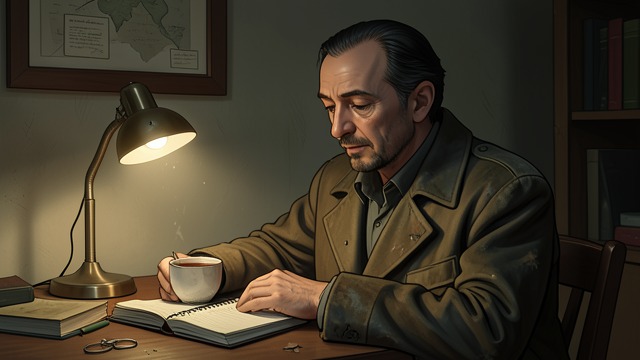
The Accounting of Choices
Temptation
Wormwood lists irritability, smoking, and a forgotten prayer as his gains. These faults are real but do not erase the patient’s more consequential conduct.
Measure
The exchange resists a simplistic focus on spectacular sin. The patient’s actual response under pressure matters more than an inventory of minor lapses.
Humility Beyond Self-Hatred
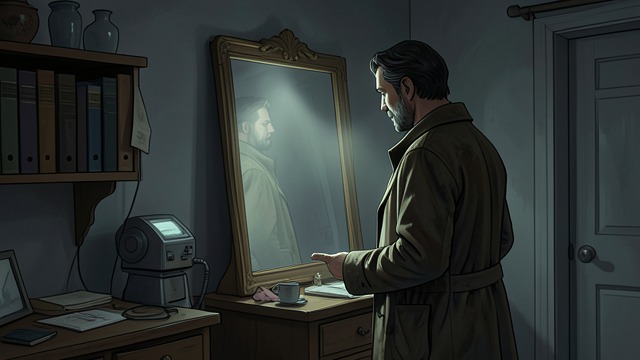
Virtue Without Vanity
Misuse
Screwtape tries to make the patient proud of humility or trapped in false self-contempt. Both keep the mind occupied with self-assessment.
Alternative
Real humility can move attention toward God and neighbors. It accepts talents and limitations without making personal rank the central concern.
Virtue Completed in Love
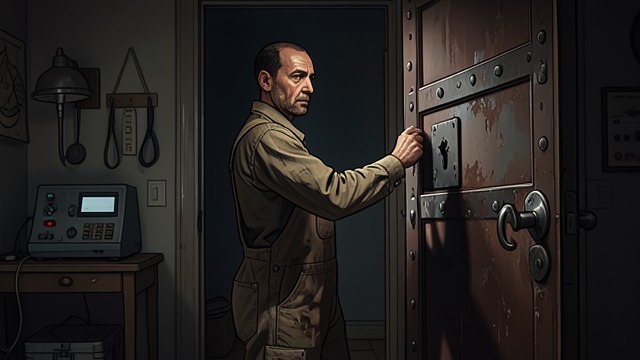
A Life Made Distinct
Free Conformity
Screwtape describes the Enemy’s aim as creatures who remain themselves while freely willing the good. This account directly contradicts Hell’s desire to absorb other wills.
Fulfillment
The patient’s entry into Heaven completes a life in which obedience has not erased personality. The outcome exposes virtue as participation rather than possession.
When the patient’s wartime danger becomes clear
During the patient’s first air raid
After the first raid
After the patient’s renewal
At the ending
