The patient’s conduct during the first air raid
The Screwtape LettersThe patient’s conduct during the first air raid reveals a decisive gap between feeling afraid and acting cowardly. Though he thinks himself a coward and takes no pride in his performance, he does everything his duty demands and perhaps more; for Screwtape, that conduct outweighs the lesser lapses he can report against it.
Context and Stakes
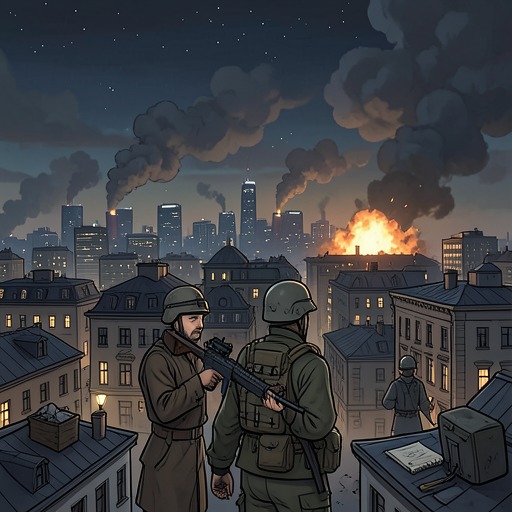
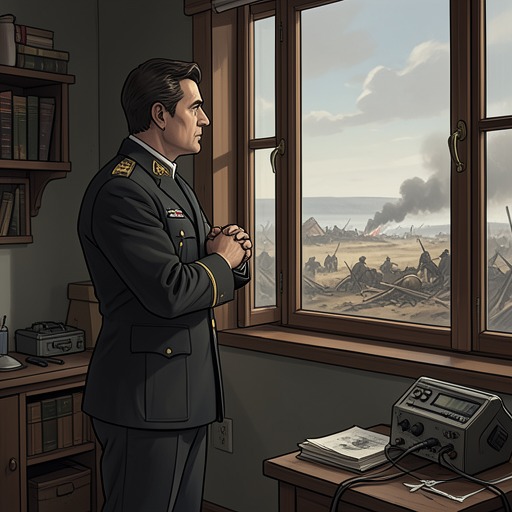
As German bombardment threatens the patient’s town, Wormwood and Screwtape debate whether to exploit fear, cultivate pride in courage, or turn the patient toward hatred of the Germans. The danger is spiritual as well as physical: the devils hope to damage the patient’s charity, but fear may instead force him to confront what courage and duty require.
Screwtape has already warned Wormwood not to mistake war’s human suffering for a useful end in itself. Because the patient is growing in dependence on God and attention to his neighbours, his death would deprive the devils of their opportunity to tempt him further. Keeping him alive matters to their campaign, but the raid also puts his conduct under a moral test that they cannot control.
Fear, Courage, and Duty
Before the raid, Screwtape argues that hatred can compensate for fear and that fear can make hatred more intense. He urges Wormwood to weaken the patient’s courage first, partly because a frightened person may turn against the Germans and partly because cowardice can make him ashamed. But the plan carries a risk: shame may lead to honest self-knowledge, repentance, and humility rather than despair.
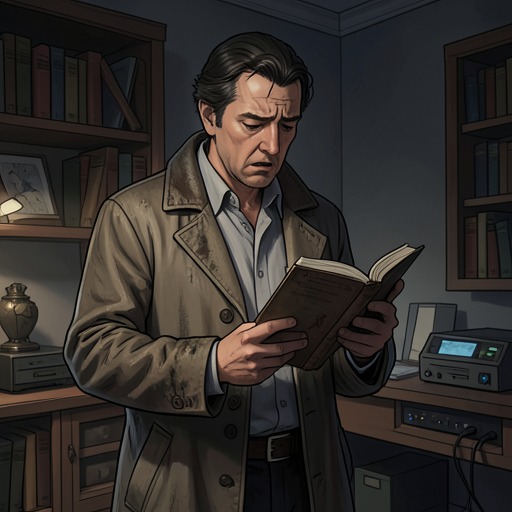
The patient’s actual response defeats the attempt to make fear the defining fact. He is very frightened, believes himself a great coward, and feels no pride; nevertheless, he performs all the duties required of him, perhaps going beyond them. The account distinguishes his inward assessment from his outward choices: fear is present, but it does not make him abandon his responsibility.
That distinction reflects Screwtape’s broader account of courage as the testing point of virtue. A virtue that survives only while it is safe is conditional; under danger, courage gives honesty, mercy, and other virtues their real test. The patient’s conduct does not establish that he feels brave. Its significance is that fear and faithful action coexist, so his self-accusation does not settle the moral meaning of what he has done.
The Devils’ Assessment
Screwtape learns of the patient’s conduct from the Infernal Police, not from Wormwood’s inadequate report. He calls the result the worst possible outcome for the devils: although the patient was frightened and considers himself a coward, he did his duty and perhaps more, without taking pride in it. Their attempt to use the raid to corrupt him has not produced the intended moral failure.
Against that outcome, Screwtape can list only a burst of bad temper toward a dog that tripped the patient, excessive cigarette smoking, and a forgotten prayer. These lapses are real, but the contrast in his report is stark: small failures do not cancel the larger fact that the patient fulfilled his responsibilities. Screwtape also rejects any appeal to the devils’ intentions or difficulties; in Hell’s reckoning, only results count.
Fatigue and the Continuing Test
The raid leaves fatigue as a possible avenue for further temptation, but Screwtape warns Wormwood not to assume that tiredness will automatically produce anger or impatience. Moderate fatigue, especially when unexpected demands frustrate what a person feels entitled to expect, may feed peevishness. By contrast, exhaustion after hope of relief has been abandoned can bring quietness and gentleness.
Screwtape therefore advises Wormwood to sustain false hopes that another raid will not come and that the patient will soon enjoy his bed. He wants the patient to resolve to endure the trial only for a supposedly reasonable time, set shorter than the strain may last, so that he might give in just before relief arrives. This proposed next attack makes the first raid a turning point rather than a final resolution: the patient has met the immediate test through duty, while the devils look for another way to make endurance fail.
Significance
The episode makes conduct under danger more revealing than self-image. The patient’s fear does not become courage as a feeling, and he claims no pride; nonetheless, the duties he performs expose a form of courage that the devils cannot manufacture or easily undo. Their frustration confirms the ethical distinction at the heart of the scene: being afraid is not the same as surrendering to fear.