
The Unmaking of the Eternal Feminine
The Second SexThis thread traces how the book moves from historical domination to the myths that turn women into nature, mystery, servant, idol, and prey, then calls for relationships grounded in reciprocity.
increasing Bearing strength in each event
 decreasing
Bearing strength in each eventdecreasingMyth as Justification
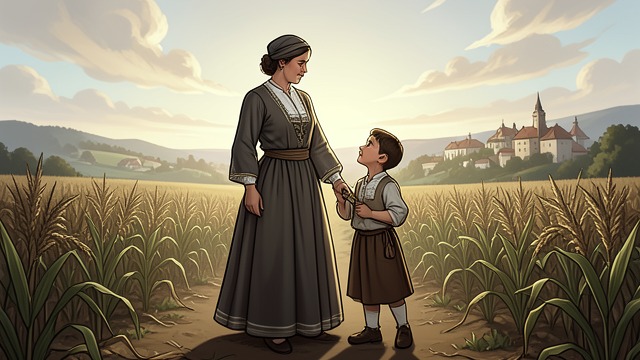
Myth as Justification
From power to image
After describing history, de Beauvoir asks how male domination becomes emotionally and culturally persuasive. Myths give social arrangements the appearance of timeless truth and allow men to project their hopes and fears onto women.
Contradictory figures
Woman appears as mother and lover, angel and witch, nature and ideal, a source of life and a threat of death. These opposing images do not reveal an eternal feminine essence; they show the needs and anxieties of the people who create them.
The cost of the myth
The myth of Woman makes it easier to treat actual women as objects rather than as subjects. It substitutes a fixed image for the difficult work of recognizing another freedom.
Nature and the Maternal Body

Nature and the Maternal Body
Attraction and dread
De Beauvoir traces the ambivalence in masculine images of woman as nature. The maternal body evokes fertility and nourishment, but also birth, decay, dependence, and death.
Socially shaped meanings
Men may worship maternity when it serves social order and recoil from it when it reminds them of their own bodily origins. The same woman can be sanctified as mother and feared as a disruptive force.
A myth, not a destiny
The book does not treat these images as truths about women. It shows how cultural stories turn real bodily experiences into symbols that can reinforce women’s subordination.
The Ideal Wife and Mother
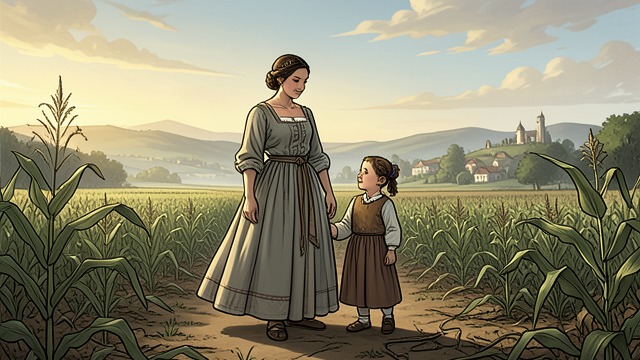
The Ideal Wife and Mother
Veneration through submission
The wife is often praised as a companion, household guardian, and source of comfort. Her importance, however, is defined by what she provides to the husband and family rather than by projects of her own.
The double demand
Men ask women to be both servant and peer, both erotic object and moral guardian. Myths of the devoted wife and selfless mother make this contradiction appear virtuous rather than imposed.
Praise as restraint
Idealization can be another form of control: the woman is honored when she accepts her assigned role. The book follows how reverence for femininity can preserve the very hierarchy it seems to celebrate.
The Sphinx and Mystery
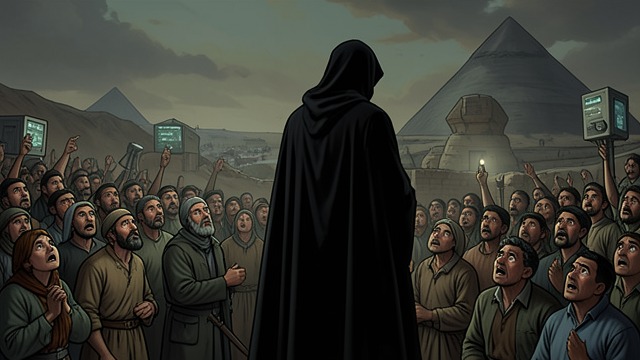
The Sphinx and Mystery
Mystery as an excuse
De Beauvoir examines the claim that woman is unknowable. Men can use this supposed mystery to explain their ignorance, avoid disappointment, and preserve a one-sided relation.
A social condition
The opacity attributed to women grows from unequal communication and dependence. A person kept from action and public life may be difficult to know, but this is not evidence of a secret feminine essence.
A mirage dissolves
When the myth is examined closely, it reveals no hidden truth beyond the structures that sustain it. Replacing living women with an absolute mystery prevents reciprocal recognition between subjects.
Reality Beyond the Myth

Reality Beyond the Myth
From symbol to person
De Beauvoir argues that rejecting myth does not mean rejecting poetry, eroticism, or difference. It means refusing to substitute a timeless symbol for a real person whose behavior and freedom must be encountered directly.
A divided present
Women are encouraged to be equal individuals while still being expected to perform the role of the inessential feminine object. This contradiction makes it difficult for them to inhabit both autonomy and the destiny society prescribes.
A human relation
The book points toward a future in which women’s human standing no longer depends on surrendering their freedom. When women live for themselves as well as with men, fraternity and reciprocal love become possible.
Volume I, Part Three, Chapter 1
Early in Volume I, Part Three
Middle of Volume I, Part Three
Closing chapters of Volume I, Part Three
End of Volume I, Part Three
