
Women’s Campaigns for Political Rights
The Second SexThis thread follows women’s political organizing from early demands for equal rights through suffrage campaigns and the eventual extension of voting rights in several countries.
increasing Bearing strength in each event
 decreasing
Bearing strength in each eventdecreasingAn Early Rights Declaration
A Claim to Citizenship
Recasting revolutionary rights
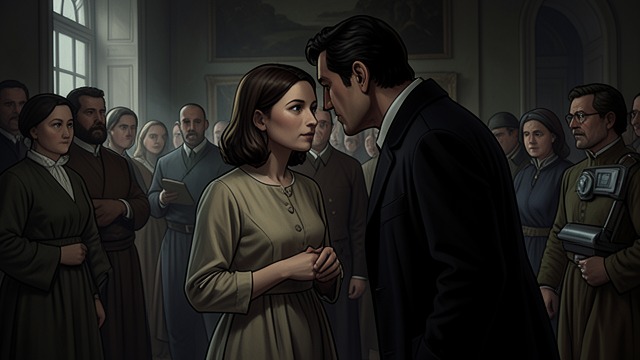
During the French Revolution, activists argued that principles of citizenship should apply to women as well as men. The Declaration of the Rights of Woman and of the Female Citizen directly challenged the exclusion built into the era’s political language.
A claim without institutional force
The declaration did not produce lasting political equality. Women’s clubs and public participation were restricted, and the revolutionary government treated women’s political activity as a departure from their assigned social role. The episode established a language of rights that later movements could invoke.
The American Convention
A Public Case for Equality
A declaration of grievances
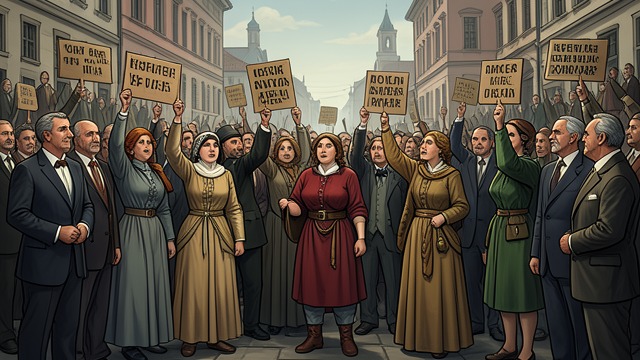
At the Seneca Falls Convention, women drew on the language of political rights to describe their legal and social subordination. The declaration made women’s exclusion from citizenship a public question rather than a private grievance.
A movement linked to reform
The campaign grew alongside antislavery activism, though alliances did not guarantee that women’s claims would be included in political reform. The convention helped provide an organizing precedent for a suffrage movement that continued for decades.
The British Suffrage Campaign
Public Protest and Political Pressure
Escalating tactics
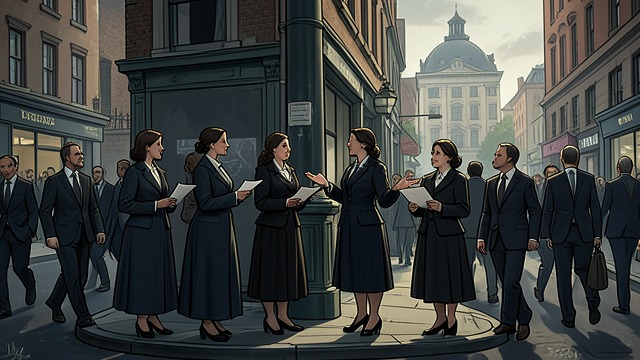
British campaigners organized demonstrations, public meetings, marches, and acts of civil disobedience. Their actions made the suffrage question visible and forced politicians to respond, even as protestors faced arrest and imprisonment.
The vote arrives in stages
The movement gained momentum during World War I, when women’s wartime work strengthened the case for political recognition. Voting rights were first extended on a restricted basis in 1918 and made equal with men’s in 1928, marking a major but not complete change in women’s social position.
The French Suffrage Deadlock
Repeated Demands, Delayed Recognition
Organizing and opposition
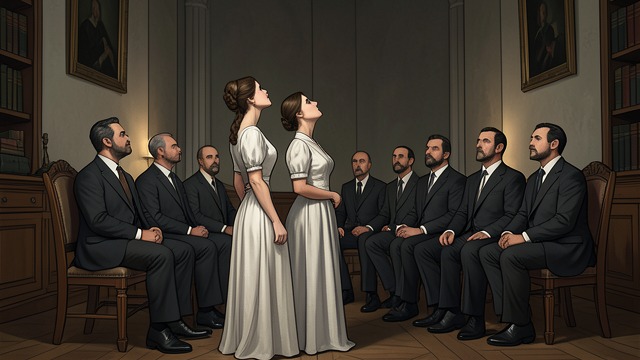
French activists formed organizations, published newspapers, held meetings, and sought civil and political rights. Their efforts encountered divisions among women and persistent resistance from political groups that feared how women might vote.
Formal support without a vote
Even when legislative proposals gained broad support in the Chamber, the Senate repeatedly blocked women’s suffrage. Women in France obtained political rights only in 1945, after decades in which the political system acknowledged the demand but refused to act on it.
Suffrage Across National Borders
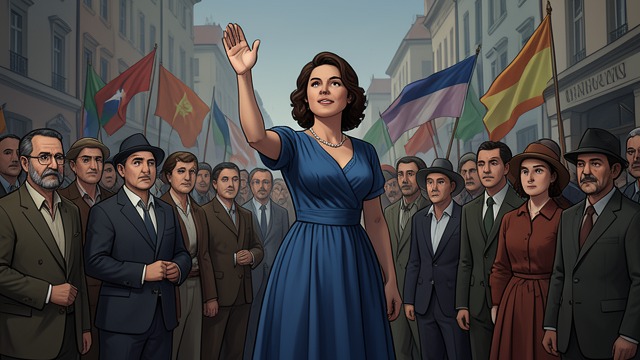
Uneven International Change
Early gains and organizing
New Zealand granted women the vote in 1893, followed by reforms in other countries. Movements in the United States, Scandinavia, and Germany combined demands for political rights with broader struggles over education, labor, and social equality.
Rights shaped by local politics
The pace and terms of reform varied widely. Some victories followed organized protest; others emerged after wartime changes or political upheaval. The comparison shows that women’s suffrage was not a single event but a set of national campaigns with different obstacles and outcomes.
1791, during the French Revolution
July 1848, at Seneca Falls
From the early 1900s through 1928
From the late 19th century through 1945
From 1893 through the mid-20th century
