
Women’s Industrial Work and Economic Independence
The Second SexThis thread traces how industrial employment opened paid work to women while exploitation, low wages, domestic labor, and weak organization limited the independence that work could provide.
increasing Bearing strength in each event
 decreasing
Bearing strength in each eventdecreasingFactory Work Expands
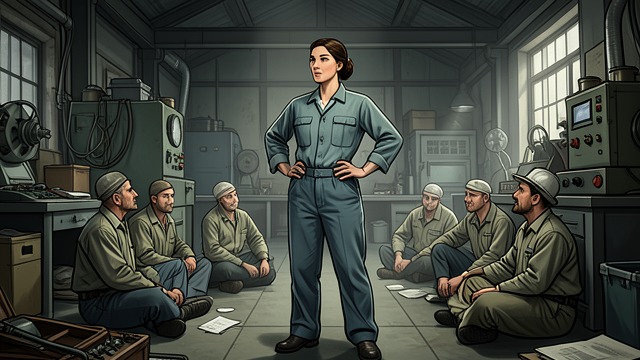
Women Enter Industrial Production
Work beyond the household
The Industrial Revolution drew women into factories as employers sought a larger and cheaper labor force. Machinery reduced the importance of some forms of physical strength, allowing women to perform work previously treated as male work.
A difficult opening
This shift offered a route beyond economic dependence on family and husband, but factory labor was often dangerous, poorly paid, and exhausting. Women’s entry into production changed their economic role without immediately changing their status.
The Factory Wage Trap
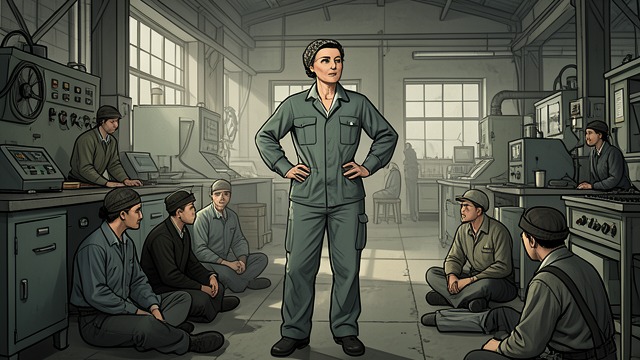
Paid Work Without Security
Exploitation in the workplace
Women workers faced long hours, poor conditions, and wages far below men’s. Employers often preferred them precisely because they could be paid less and were less likely to resist or organize.
Work does not equal autonomy
Many women worked to supplement a household income rather than to support themselves independently. This gave employers leverage to maintain low wages and left women carrying both paid work and domestic responsibilities.
Slow Union Organization
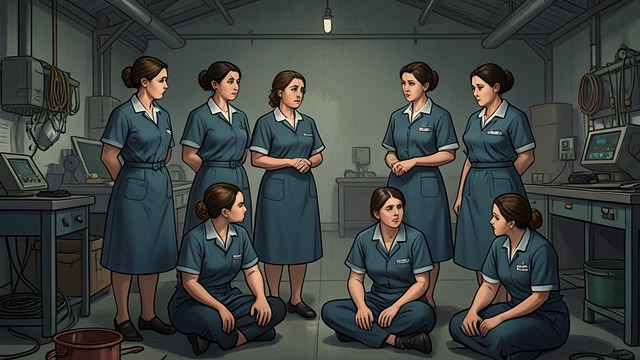
Collective Action Takes Shape
Barriers to solidarity
Women’s union participation grew slowly. A tradition of submission, limited collective organization, and competition among workers left many women exposed to employer pressure.
Shared interests emerge
Male workers sometimes viewed women’s lower wages as a threat, rather than as a condition imposed by employers. Women’s gradual integration into unions helped them defend their own interests and made it more possible to cooperate with the wider working class.
Protective Labor Laws
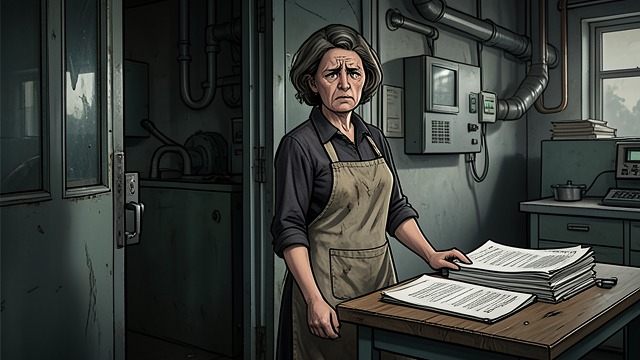
Regulation Arrives Late
Limited protections
Legislation gradually addressed women’s working conditions, including working hours, night work, and maternity leave. Reforms were introduced piecemeal and often left opportunities for employers to evade the rules.
Rights beyond the workplace
These measures recognized some costs of industrial labor but did not resolve unequal pay or women’s responsibility for housework and childcare. Legal protection improved conditions without guaranteeing economic equality.
Work and Domestic Double Burden

The Unfinished Promise of Work
Paid employment and unpaid labor
As employment expanded into offices, professions, and public service, women gained more ways to earn a living. Yet many still carried the greater share of cooking, cleaning, and childcare after the workday ended.
Independence as an ongoing struggle
Lower pay, fewer advancement opportunities, and expectations of marriage continued to limit women’s professional lives. Work could create concrete autonomy, but it could not do so fully while workplace inequality and domestic dependence remained intact.
Early 19th century
Early to mid-19th century
From the mid-19th century to the early 20th century
From 1874 through the early 20th century
Early 20th century through the postwar period described in the book
