
Reproductive Control and Women’s Choices
The Second SexThis thread traces the practical and legal struggle over contraception and abortion, showing how control of reproduction affected women’s health, work, and ability to shape their lives.
increasing Bearing strength in each event
 decreasing
Bearing strength in each eventdecreasingUnregulated Pregnancy
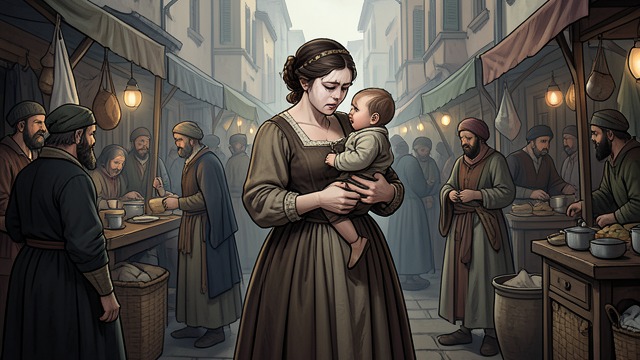
Reproduction as an Imposed Burden
Limited control over fertility
For much of history, women had little reliable means of controlling the number or timing of pregnancies. In many societies, early marriage and repeated childbirth shaped women’s lives and restricted their ability to participate in work beyond the household.
Private hardship, social demands
The burden of reproduction was treated as natural and often as a social duty. The book emphasizes that its effects depended not only on biology but also on customs, resources, and the availability of help with childbirth and childcare.
Contraception Enters Daily Life
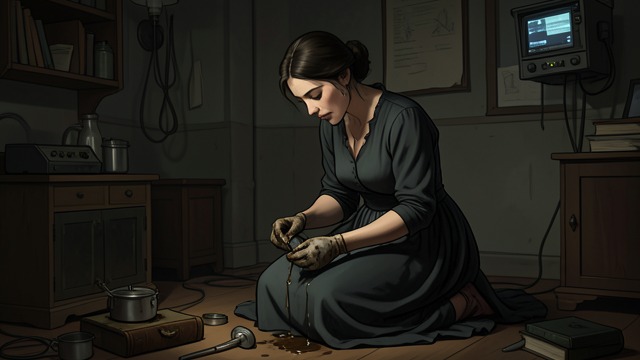
Separating Sex from Reproduction
Practices spread unevenly
Contraceptive practices developed and spread through different social groups, although access remained limited and often clandestine. In France, the sale and promotion of contraceptives were restricted, yet women and couples continued to use birth-control methods.
Autonomy with practical limits
The ability to plan pregnancies could reduce women’s subjection to repeated childbirth and make paid work more feasible. But unequal access meant that control over reproduction remained tied to class, information, and money.
Abortion Remains Criminalized

A Legal Ban and a Common Practice
Prohibition and persistence
French law treated abortion as a crime, while religious authorities condemned it on moral grounds. Nevertheless, the book describes abortion as widespread, including among married women who already had children.
Unequal risks
Because abortion was driven underground, women faced dangerous procedures, injury, and death. Those with money and social connections could find safer assistance, while poor and isolated women were more exposed to severe harm.
The Unmarried Woman’s Crisis
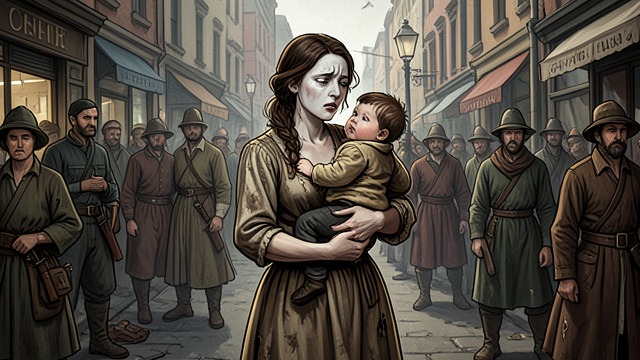
Pregnancy, Stigma, and Isolation
Fear of social exclusion
An unmarried pregnant woman faced severe stigma and limited practical support. The fear of disgrace, poverty, and abandonment could make abortion seem like the only escape from an unwanted pregnancy.
Coercion hidden as choice
The decisions women made were shaped by partners, families, and laws that offered little protection. Even when a woman sought an abortion herself, the circumstances often left her alone with physical danger and moral blame.
The Case for Reproductive Freedom

Control Over the Body
Reproduction as a social question
Beauvoir argues that pregnancy and motherhood cannot be understood as a fixed biological destiny. Their burdens vary with birth control, medical care, childcare, and the social demands placed on women.
Toward real choice
Legal access to contraception and abortion would allow women to decide whether and when to bear children. The argument connects reproductive freedom to economic independence and equality: without control over pregnancy, formal rights and access to work remain incomplete.
Before reliable contraception became widespread
18th century through the mid-20th century
From the 19th century to the 1940s in France
France, as described in the 1940s
At the book’s present, March 1949
