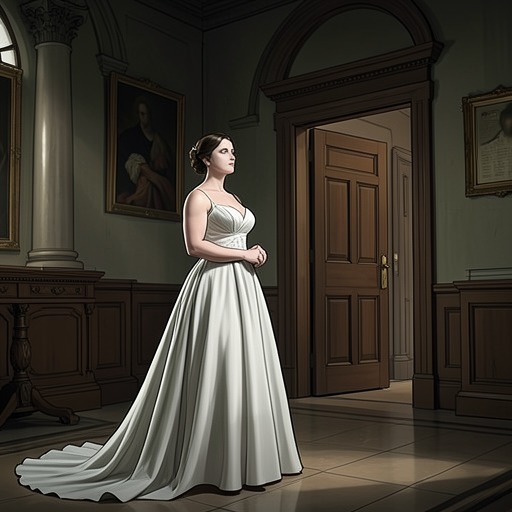
Tolstoy left Yasnaya Polyana
The Second SexTolstoy’s departure from Yasnaya Polyana closes the account of a marriage that makes the idealized union of Pierre and Natasha look untenable. Sophia’s unhappiness, the couple’s estrangement, and Tolstoy’s eventual flight expose the cost of treating a wife’s devotion as the foundation of marital harmony.
Marriage and Disillusionment
Sophia feels repelled by her husband and finds him tedious. His infidelity with the surrounding peasants intensifies her jealousy, while repeated pregnancies frustrate her; the children do not relieve the emptiness she feels in her heart or her days. The home offers no refuge: it is an arid desert for her and a hell for him.
That reality sharply contradicts the ideal of Natasha’s devotion to Pierre. A wife cannot be expected to draw her reasons for living from her husband or to accept his values without independent judgment. Nor do children compensate for a marriage in which the wife is neglected and jealous; in that circumstance, they become a burden rather than a source of joy.
Departure and Ending
The marriage ends in separation. Sophia is described as an old, distressed woman left in the forest at night, while Tolstoy flees, finally renouncing the lifelong union. The episode turns the idea of marital unity against itself: a commitment lasting a whole life has not brought the couple into a shared life, but leaves each in misery and estrangement.
Significance in the Argument About Marriage
The account calls Tolstoy’s case exceptional, but uses it to question the assumptions behind marital harmony. Some couples reach a compromise and live beside one another without open antagonism, yet boredom remains a recurring danger. Whether the husband makes his wife an echo of himself or each spouse retreats into a separate world, the couple may lose autonomy without overcoming solitude. Tolstoy’s departure gives that broader critique a concrete ending: lifelong marriage, by itself, guarantees neither reciprocity nor companionship.