
The Secret Garden
Basic Facts
The Secret Garden is a classic children's novel by British-American author Frances Hodgson Burnett. It was first serialized in The American Magazine from November 1910 to August 1911 and published in book form on August 25, 1911. Set in Yorkshire, England, the novel has become a beloved staple of English children's literature, renowned for its timeless themes of healing and renewal.
Plot Summary
The story follows Mary Lennox, a spoiled and neglected ten-year-old girl born to wealthy British parents in India. After a cholera epidemic kills her parents, Mary is sent to live with her reclusive uncle, Archibald Craven, at Misselthwaite Manor in Yorkshire. Initially disagreeable and selfish, Mary gradually softens as she befriends the maid Martha, Martha's brother Dickon (a boy who can talk to animals), and her sickly cousin Colin, who has been hidden away in the manor believing he is dying. Mary discovers a long-locked secret garden that was her late aunt's favorite, now overgrown and abandoned. With Dickon's help, she begins to restore the garden, and the trio's shared labor and joy bring new life to the garden and to themselves. Colin gains strength and confidence, Mary becomes cheerful and caring, and the grieving Mr. Craven is finally drawn back to the garden by the memory of his wife, reuniting with his son.
Core Themes
At its heart, The Secret Garden is a story about the transformative power of nature and human connection. The garden serves as a powerful symbol of inner growth, healing, and the possibility of renewal after loss. Burnett weaves themes of friendship, independence, and the rejection of rigid social hierarchies. Mary's journey from a tyrannical child to a nurturing friend mirrors the garden's revival, while Colin's recovery challenges the Edwardian era's expectations of masculinity and illness. The novel also subtly critiques male-dominated society, advocating for a harmonious relationship between humans and the natural world.
Writing Background
Burnett drew heavily on her own life. After the death of her son Lionel from tuberculosis in 1890, she became deeply interested in themes of illness and recovery. From 1898 to 1907, she rented Great Maytham Hall in Kent, where she restored a walled garden that directly inspired the novel's secret garden. This hands-on experience with gardening as emotional therapy infused the book with authentic detail and emotional depth. Burnett wrote the novel with her own children and gardens in mind, and it remains one of her most personal works.
Influence and Legacy
The Secret Garden has never been out of print and has been translated into over 50 languages. It has been adapted into numerous films, television series, stage plays, and musicals, including a highly acclaimed 1993 film. The novel is considered a classic of both children's literature and literary fiction, appearing in scholarly studies and school curricula worldwide. It influenced writers such as T.S. Eliot and D.H. Lawrence, and its themes of psychological healing through nature continue to resonate with modern readers. The book's enduring appeal lies in its ability to speak to the child in every reader, offering a message of hope and transformation.
About the Author
Early Life and Background
Frances Eliza Hodgson Burnett was born on November 24, 1849, in Cheetham, Manchester, England. Her father, Edwin Hodgson, ran a prosperous hardware business, but his death in 1853 plunged the family into poverty. In 1865, at the age of fifteen, Burnett moved with her mother and siblings to New Market, Tennessee, USA. From a young age, she turned to writing as a means of escape and financial support, publishing her first stories in magazines at eighteen.
Literary Career
Burnett's first major success came with That Lass o' Lowrie's (1877), a novel based on her memories of life in English mining communities. However, it was Little Lord Fauntleroy (1886) that made her a household name. The story of a kind-hearted American boy who inherits a British earldom became a phenomenal bestseller, coining the term 'Fauntleroy' for elaborately dressed children. She followed this with A Little Princess (1905), which was also adapted for the stage. Burnett was one of the highest-paid women writers of her time, earning substantial income from both her novels and her plays.
Personal Life and The Secret Garden
Burnett married Swan Burnett, a doctor, in 1873, and they had two sons, Lionel and Vivian. The tragic death of Lionel from tuberculosis in 1890 deeply affected her, shaping her recurring themes of illness, recovery, and emotional regeneration. She divorced Swan in 1898 and later had a brief, unhappy marriage to Stephen Townsend (1900-1902). In the late 1890s, she rented Great Maytham Hall in Kent, England, where she restored a walled garden. This experience provided the direct inspiration for The Secret Garden (1911), a novel she wrote while living in the United States. This book, initially serialized in The American Magazine, became her most enduring work, beloved for its portrayal of nature's healing power.
Later Years and Legacy
Burnett became a naturalized U.S. citizen in 1905. She continued writing prolifically until her death, producing over forty novels and numerous plays. She died on October 29, 1924, in Plandome Manor, New York, at the age of 74. Although she wrote many bestsellers for adults, it is her children's books—especially The Secret Garden, A Little Princess, and Little Lord Fauntleroy—that have secured her place in literary history. These works remain in print, are frequently adapted for film and stage, and are studied for their progressive themes of resilience, independence, and the transformative power of nature. Burnett's influence extends to modern literature, with writers such as T.S. Eliot and D.H. Lawrence citing her work.
StoryFlow
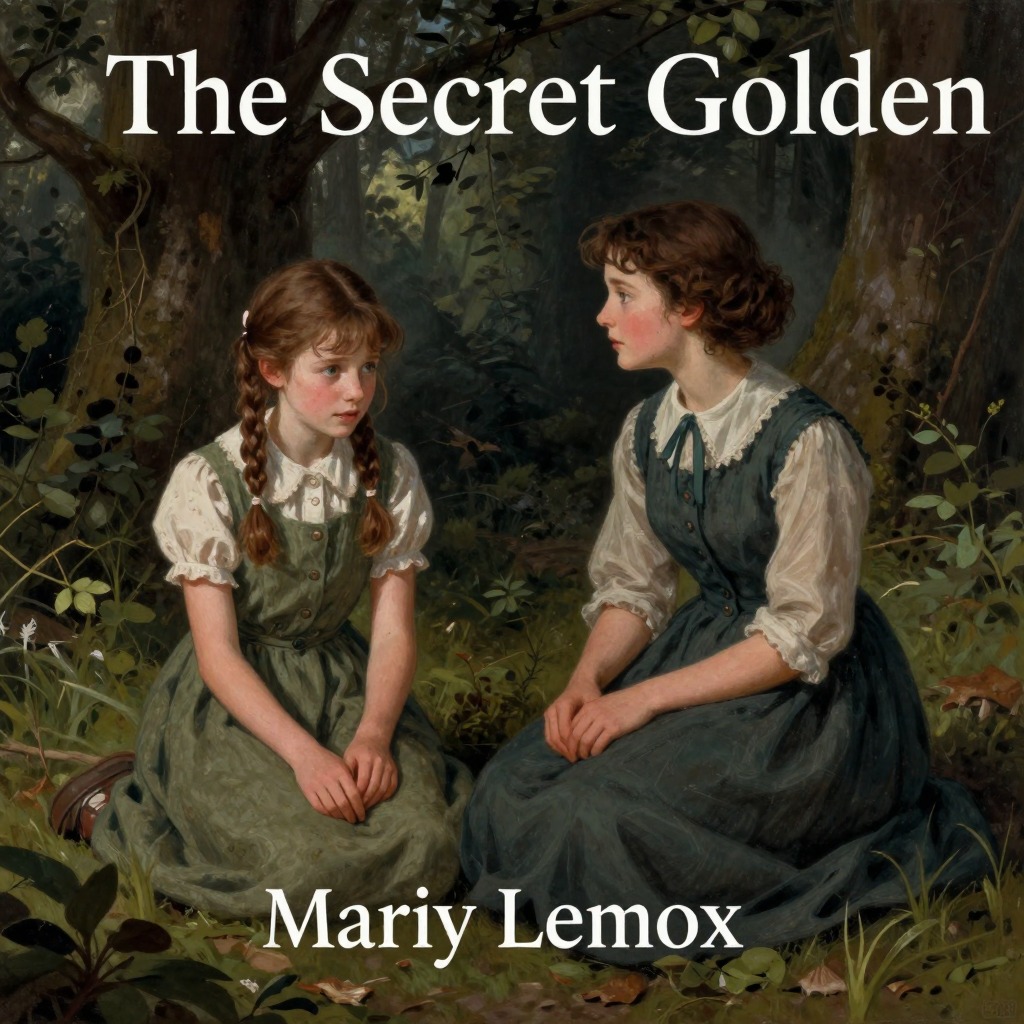
Mary Lennox's Transformation
Traces Mary's journey from a sour, neglected orphan to a healthy, happy girl through the power of nature and friendship.
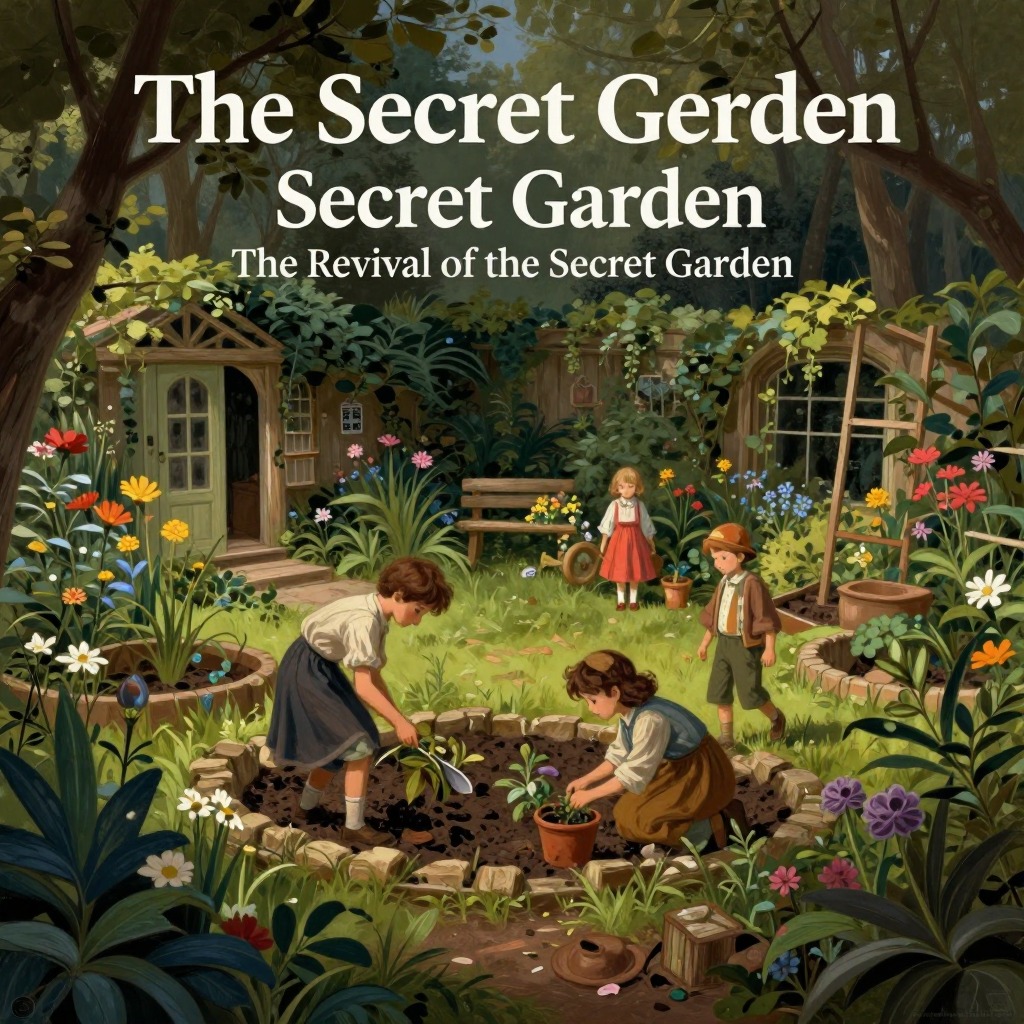
The Revival of the Secret Garden
Follows the garden's transformation from a locked, dead space to a vibrant, living paradise through the children's care.
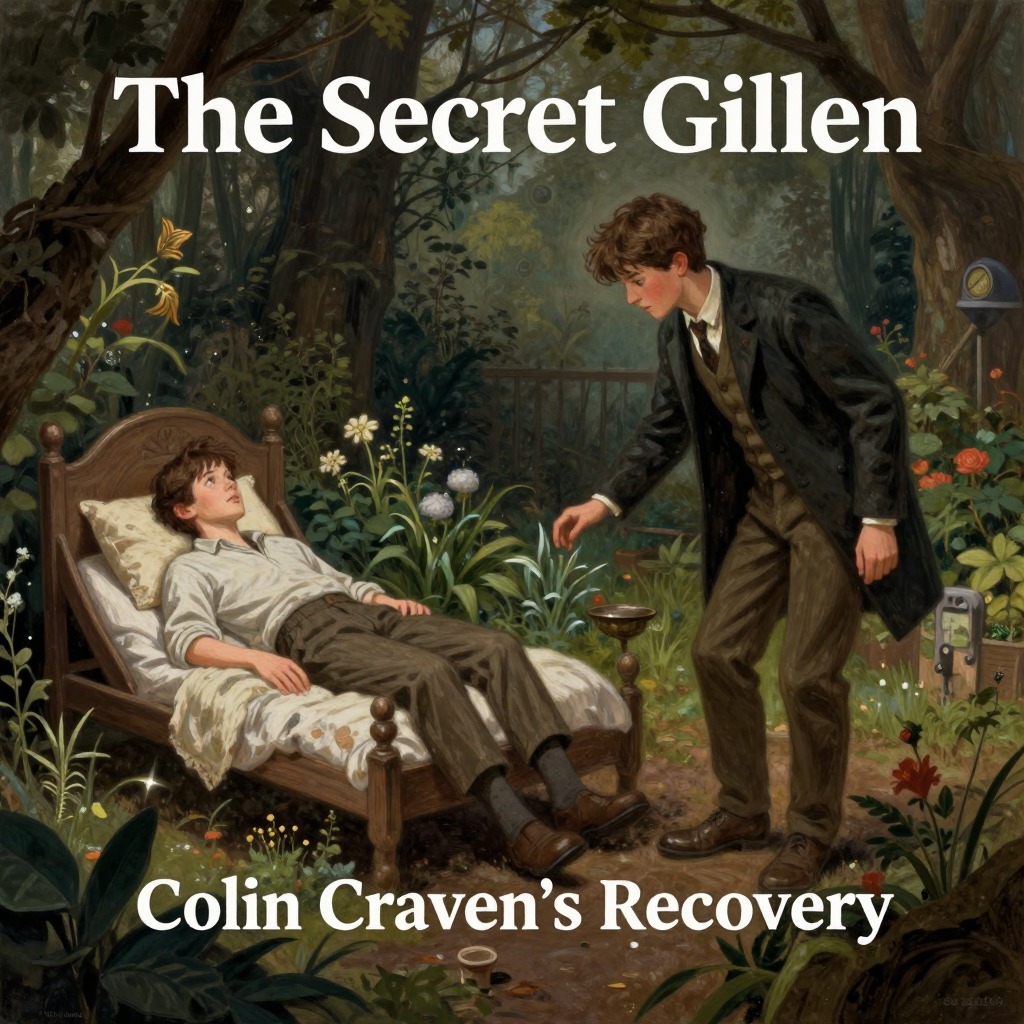
Colin Craven's Recovery
Traces Colin's journey from a bedridden, hysterical invalid to a healthy, active boy through the garden's magic and friendship.
