
Truth, Evidence, and the Unreliable Clue
The Secret of ChimneysThis thread traces the changing meaning of footprints, windows, letters, firearms, and coded instructions as the investigation learns not to trust evidence in isolation.
increasing Bearing strength in each event
 decreasing
Bearing strength in each eventdecreasingBoots and Footprints
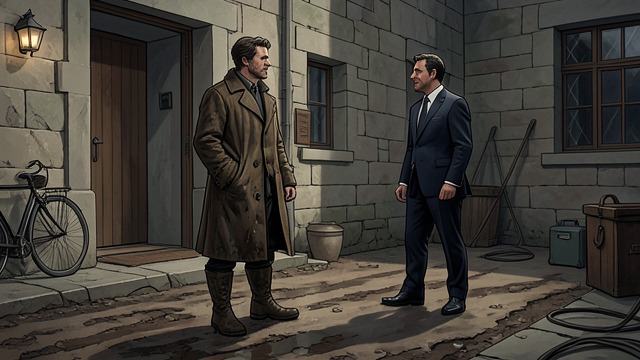
A Strong Match
Anthony Cade’s boots correspond exactly to the tracks outside the council-chamber window. The physical match looks persuasive enough for George Lomax to demand an arrest.
Evidence Needs Context
Battle asks what the match actually proves: that Anthony Cade walked there, not that he killed Prince Michael Obolovitch. The distinction between contact and guilt establishes the investigation’s cautious method.
The Window That Contradicts
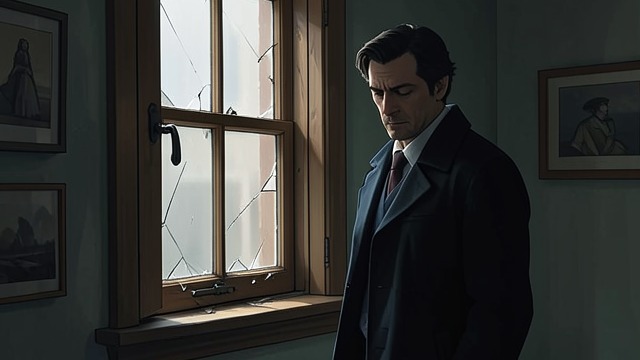
Two Accounts of the Latch
Anthony Cade says the windows were fastened when he tested them, but the middle window is found unlatched after the murder. The contradiction may indicate that someone altered the scene or that Anthony Cade is lying.
A Clue with Alternatives
The window cannot identify a culprit by itself. Its value lies in forcing the investigators to consider an inside accomplice and to question the apparent story of an outside intruder.
The Red Hand Mark
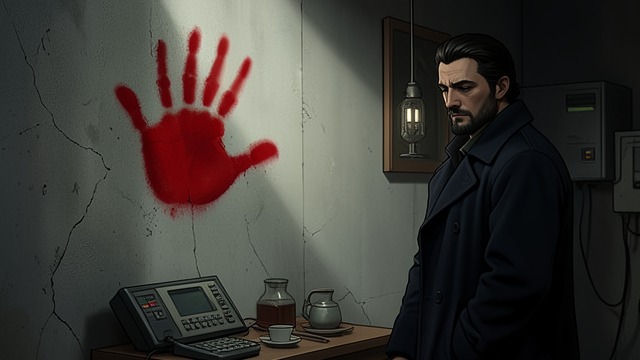
A Familiar Emblem
A Red Hand mark is found beneath Prince Michael Obolovitch’s body, suggesting that the revolutionary group committed the murder. Anthony Cade recognizes the symbol from the earlier threat in London.
A Convenient Answer
Battle rejects the mark as likely planted because the group’s known methods make it too obvious. The clue is meaningful chiefly as an attempt to make investigators stop asking questions.
A Gun Changes Owners
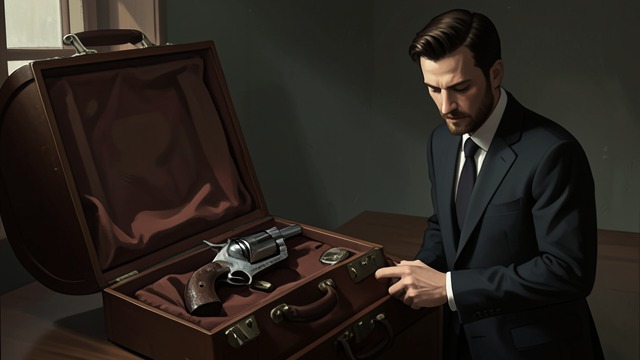
The Revolver Reappears
The missing murder weapon is found in Herman Isaacstein’s suitcase, apparently tying him to the crime. Yet the financier has a plausible denial, and the weapon may have been planted.
Provenance Over Appearance
The gun’s location appears decisive only until its chain of custody is considered. Queen Varaga’s later confession of the planting demonstrates why an object must be traced through the people who handled it.
The Cipher’s Second Meaning
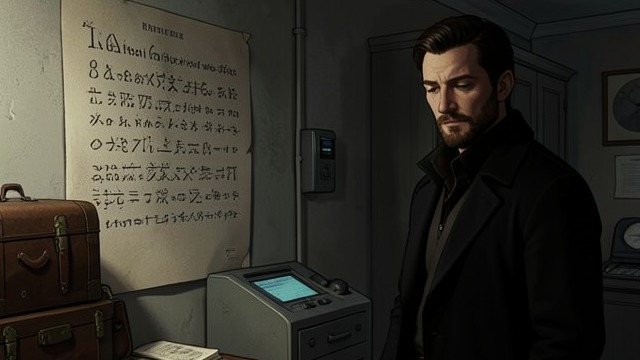
Instructions Misread
The coded directions appear to lead into a secret passage, where the searchers find a joke rather than the jewel. Anthony Cade later identifies the rose emblem as the real key and sends the criminals toward a false library solution.
Interpretation Decides the Case
The same clue can misdirect or reveal depending on what its symbols mean. The investigation succeeds not by collecting more objects but by revising the assumptions through which those objects are read.
Friday morning at Chimneys
Friday during Battle’s inspection
Friday at the crime scene
Monday morning at Chimneys
Monday through the final night
