Barnum Beaches
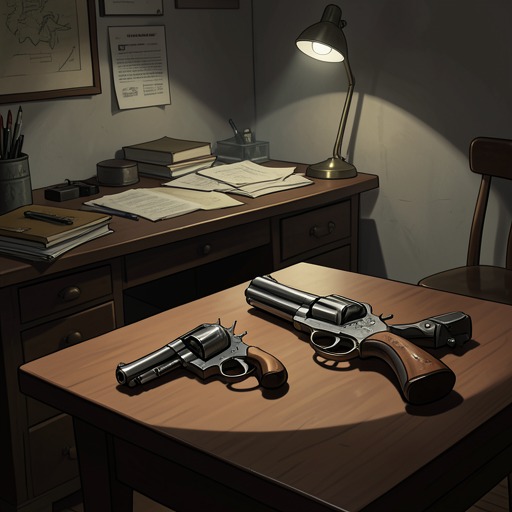
The Secret of ChimneysBurnham Beeches is the wooded detour where Anthony Cade hides the pistol connected with Giuseppe’s death, placing it high in a tree rather than in the ground or a pond. The concealment protects a dangerous secret for the moment, but its existence also leaves Anthony exposed: when he later reaches Chimneys, he knows that his handling of the body and weapon compromises him even as he becomes entangled in another crime.
The woodland as a hiding place
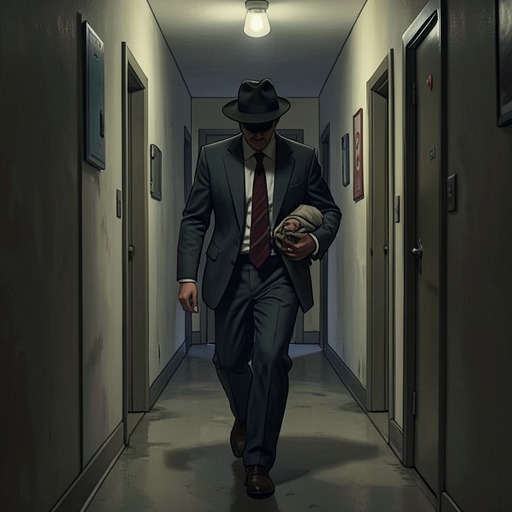
After leaving Giuseppe’s body beside the road between Hounslow and Staines, Anthony drives away and returns toward London by way of Burnham Beeches. He stops there, chooses a giant tree, climbs it, and fastens a small brown-paper parcel to one of its uppermost branches, tucked into a niche close to the trunk. The route and the hiding place are part of one deliberate operation: the body is left where passing motorists may discover it, while the pistol is removed from ordinary search routes and hidden above ground.
Anthony’s choice depends on the contrast between what investigators are expected to search and what the woodland makes possible. He reflects that people look on the ground and drag ponds, whereas few people in England could climb the tree. The parcel’s unremarkable wrapping and the concealed niche turn the tree into a practical cache; the concealment is effective precisely because it relies on an unusual search location rather than on a complicated device.
Anthony’s use of the place
The visit is brief and purposeful. Anthony has already obscured his car’s number plate with mud before leaving Giuseppe’s body, and the disposal there takes exactly a minute and a half. At Burnham Beeches he adds the second part of his effort to separate the pistol from the body, then returns to London and leaves the trunk at another station cloakroom before driving north toward Chimneys. The woodland therefore sits within a sequence of improvised measures intended to keep the weapon from discovery and to allow Anthony to continue his journey.
His private approval of the hiding place is undercut by the circumstances surrounding it. He has deliberately disposed of a body and concealed a weapon, actions that he later acknowledges would not bear scrutiny. At Chimneys he arrives at the scene of a second crime while already compromised by the first. Burnham Beeches thus marks not simply a clever concealment but a point at which Anthony’s resourcefulness deepens his legal and moral exposure.
Later significance
When Lord Caterham accepts Anthony’s presence at Chimneys after Virginia has vouched for him, Anthony thinks of the pistol in the tree and smiles inwardly. The recollection links the woodland cache to his altered social position: he is no longer treated merely as an ambiguous stranger, although he still carries knowledge of a concealed weapon and his own role in hiding it. The place remains outside the country-house investigation, but its hidden parcel continues to shape Anthony’s private understanding of the danger he faces.
Burnham Beeches also exemplifies how the novel’s locations become opportunities within a chain of crimes. A public road offers Anthony a place to leave the body; a forest offers a tree beyond ordinary ground searches; Chimneys draws him into a new investigation before the consequences of his earlier choices are settled. The woodland’s narrative importance lies in that conjunction of practical ingenuity and accumulating risk: the hiding place temporarily removes the pistol from view, but it cannot undo the act that put it there.