
The Human Cost of Political Systems
The Spy Who Came in from the ColdThis thread traces how both political blocs turn people into instruments, casualties, or evidence in the name of collective security.
increasing Bearing strength in each event
 decreasing
Bearing strength in each eventdecreasingThe Service’s Write-Offs
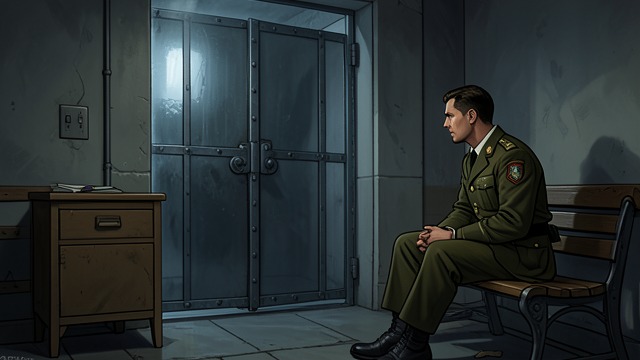
Agents as Expenditure
Operational losses
Leamas recalls agents arrested, killed, or lost as the network collapses. Control describes the losses as a rate of expenditure rather than individual tragedies.
A numb response
The vocabulary of administration distances the institution from the people it uses. Leamas’s anger and exhaustion reveal the emotional cost of accepting that language.
The Party’s Collective Logic

The Individual as a Cost
Ideological justification
Fiedler explains that a collective movement may sacrifice individuals to protect its larger goals. His argument is not presented as a private eccentricity but as a governing logic.
A mirror across the divide
Leamas recognizes an unsettling resemblance between that doctrine and the practices of his own service. Their political labels differ, but both institutions can subordinate a person to a claimed necessity.
Fiedler’s Vulnerability

Cruelty Made Personal
Antisemitic abuse
Fiedler says that Mundt’s violence was accompanied by insults aimed at his Jewish identity. The abuse reveals that political power can draw on prejudice as well as institutional authority.
A threatened life
Fiedler’s skill and evidence cannot protect him once the leadership decides he is expendable. Leamas recognizes that the operation has made a human being’s destruction seem administratively manageable.
Liz in the Prison
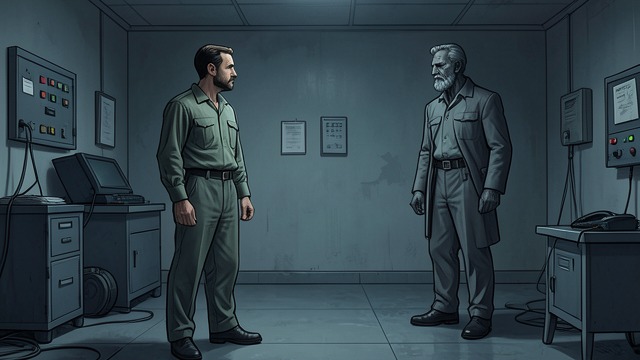
The State Explains Itself
The commissar’s doctrine
A prison official describes dissenters as obstacles to socialism and insists that the Party understands people better than they understand themselves. Individual freedom is presented as a threat to collective construction.
Political rhetoric becomes reality
Liz learns that Leamas and Fiedler may be executed. The language of necessity has moved from debate to the immediate possibility of death.
A Small Price Rejected

Refusing the Arithmetic
The last calculation
Leamas has a route to safety while Liz lies wounded below him. Crossing alone would preserve his life and complete the operation’s practical outcome.
A return to the person
He descends to Liz instead. His choice does not defeat either state, but it refuses to treat her as an acceptable cost in a collective plan.
After the Berlin network is destroyed
During Fiedler and Leamas’s walk in the hills
During Fiedler’s account of his interrogation by Mundt
After Liz is removed from the Tribunal
At the Wall in the final scene
