
Truth and Deception
The Spy Who Came in from the ColdThis thread traces the layered lies that make espionage possible and the ways those lies eventually become indistinguishable from personal truth.
increasing Bearing strength in each event
 decreasing
Bearing strength in each eventdecreasingThe First Omission
Secrets Between Agents
Trust withheld
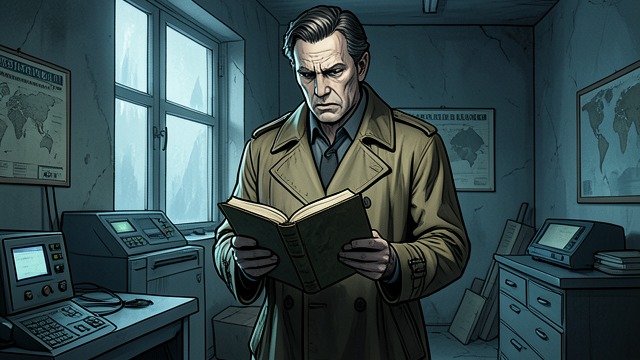
Leamas remembers that Karl concealed Elvira and later disclosed the network to her. He concludes that agents learn to deceive their handlers as well as their enemies.
A profession without openness
The episode makes secrecy both a practical skill and a corrosive habit. Even people working toward a shared objective cannot rely on complete trust.
A Staged Public Life
The Cover Becomes Visible
Invented failure
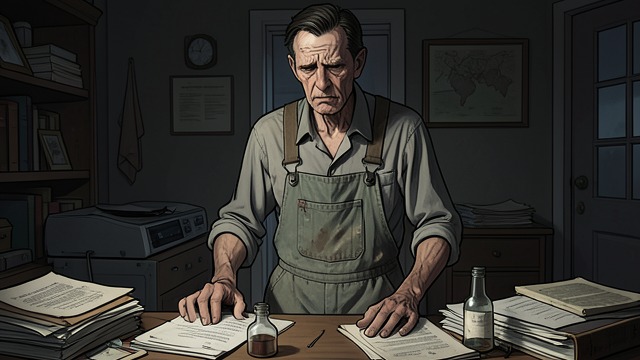
Leamas’s poverty, drunkenness, and resentment are arranged to suggest genuine disillusionment. The story is supported by office gossip and a public assault.
Truth inside the fiction
The performance succeeds because it amplifies real anger and loss. The line between a fabricated identity and Leamas’s actual feelings becomes difficult even for him to maintain.
The Defector’s Confession
Selective Truth
Information released
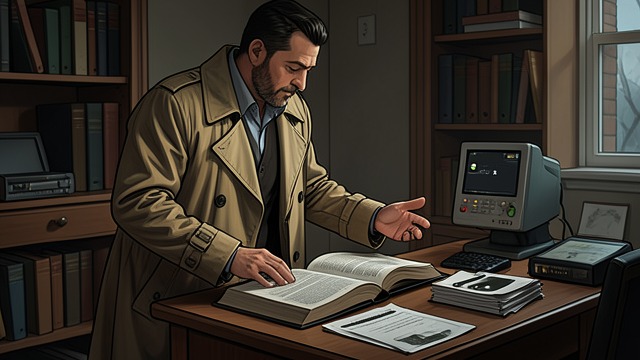
Leamas recounts real names, procedures, and operations to convince Peters that he is selling genuine intelligence. The accuracy of many details gives the deception its force.
Knowledge withheld
He does not understand every operation he describes, and his omissions direct attention toward the wrong conclusions. Truthful fragments can be as misleading as invented claims when arranged strategically.
A Theory Mistaken for Truth
Inference Under Guidance
Fiedler connects the clues
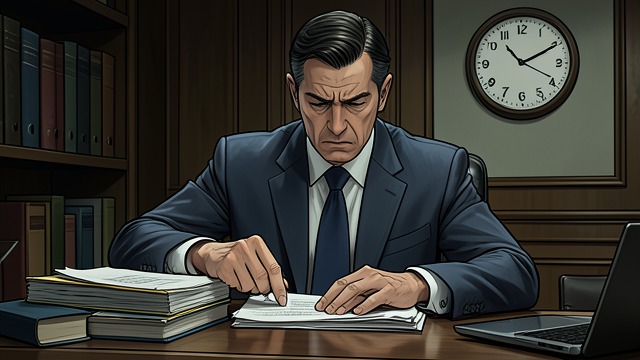
The bank records, file restrictions, and travel dates lead Fiedler toward the conclusion that Mundt is a British agent. He believes the theory is his own because the clues are consistent.
A manufactured certainty
The operation has supplied facts designed to shape that inference. The episode shows how intelligent reasoning can be redirected without falsifying every piece of evidence.
The Confession Changes Everything
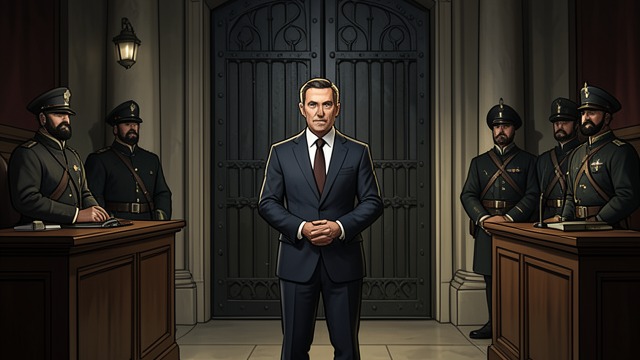
The Cover Is Abandoned
The operation admitted
Leamas tells the Tribunal that the British engineered his apparent defection and staged his collapse. The confession confirms that the process was a trap, but cannot restore control over its outcome.
Truth arrives too late
His honesty is an attempt to save Fiedler and Liz, yet it gives the political system another tool. In a world of strategic lies, even confession cannot guarantee justice.
During Leamas’s memories of Karl’s network
During Leamas’s months in London
During the interrogation at Le Mirage
During Fiedler’s inquiry into Mundt
During Leamas’s speech at the Tribunal
