
The Three Tests as Moral Measures
The Tales of Beedle the BardThis flow interprets the Fountain’s obstacles as distinct tests of vulnerability, effort, and attachment rather than magical strength.
increasing Bearing strength in each event
 decreasing
Bearing strength in each eventdecreasingPain Is Not Defeat
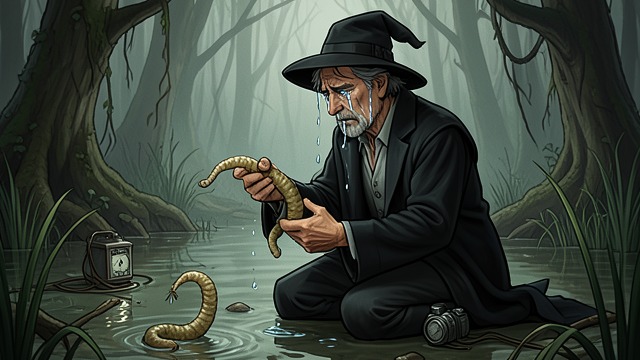
Pain Is Not Defeat
Attacks rejected
Sword, stones, and spells cannot move the Worm.
Tears accepted
Asha’s grief satisfies the demand for proof of pain.
The test treats suffering as an honest human condition rather than a weakness to hide.
Effort Without Payment
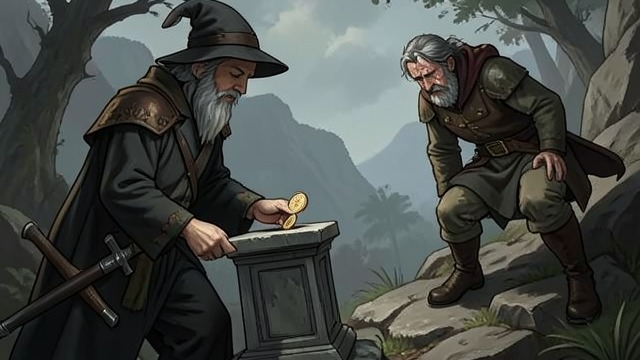
Effort Without Payment
A coin is insufficient
Sir Luckless offers his only coin, but it rolls away and changes nothing.
Labor matters
The ascent resumes when Altheda persists and sweats.
The trial rejects the idea that fortune can simply be purchased.
Memory Has a Price
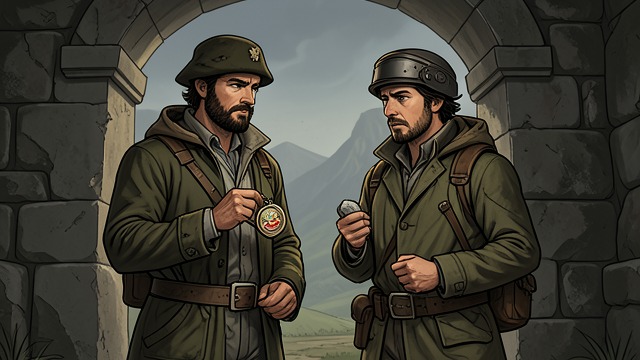
Memory Has a Price
The past blocks passage
The travelers cannot cross while holding on to what the inscription calls the treasure of the past.
Release enables movement
Amata gives up her happy memories of her former lover, and stones appear.
The tale makes relinquishment a difficult choice, not an effortless cure.
Needs Change Along the Way
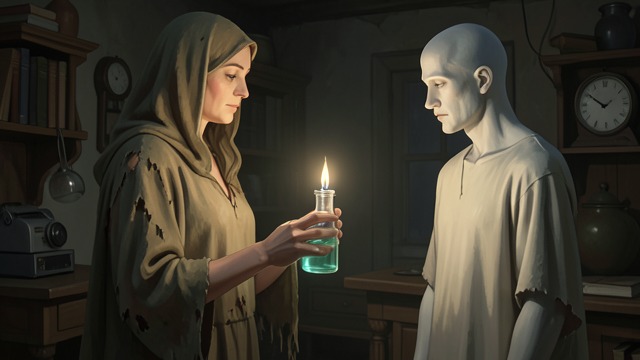
Needs Change Along the Way
Help answers illness
Altheda’s potion cures Asha before the Fountain can do so.
Loss becomes freedom
Amata’s released memories let her recognize that she is better without her former lover.
The trials transform the seekers’ aims before the supposed reward arrives.
The Reward Is Relationship
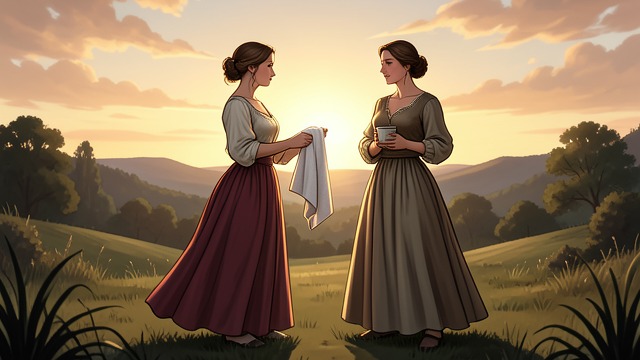
The Reward Is Relationship
An opportunity shared
Asha and Altheda each pass on the chance to bathe, and Amata offers it to Sir Luckless.
A life made together
The four return as companions, and Amata and Sir Luckless begin a marriage.
The closing reward is mutual care, not the Fountain’s nonexistent enchantment.
At the Worm’s barrier
At the inscribed hillside
At the stream near the summit
After the companions reach the summit
At sunset, as the companions leave
